
 EN
Diaphragm Valve Applications In Biotech Industries
A biotech process can involve a living culture, a cleaning solution and a hot sterilization cycle in the same line. A diaphragm valve may be considered for isolation at several points, but the name alone does not establish that a particular assembly is suitable. From an application-engineering perspective, start with the fluid, temperature, pressure and cleaning sequence; then assess the diaphragm valve, its connections and the way it will be operated.
In this type of valve, a flexible diaphragm moves toward a seat or weir to restrict flow. The diaphragm also separates the actuator mechanism from the process fluid in the intended design. That arrangement can support a hygienic design, but cleanability depends on the complete diaphragm valve assembly and its installation, not on the operating principle alone.
Where a Diaphragm Valve Fits in Bioprocessing
Upstream media preparation and transfer
Media preparation may involve water, nutrients and adjustments before transfer to a vessel. A diaphragm valve can isolate a branch or direct flow between preparation and use. For a hypothetical transfer line, identify each liquid and the sequence of batches before specifying the diaphragm valve. A material suitable for one solution may respond differently to another, particularly when cleaning chemicals and temperature are added to the duty.
Check the diaphragm valve location against the piping layout. A branch that retains liquid after draining can complicate a changeover even if the valve closes reliably. Ask the equipment supplier how the selected body and orientation support drainage, and have the process team verify the installed arrangement.
Bioreactors and sampling points
At a vessel connection, a diaphragm valve may be used for controlled isolation of an inlet, outlet or sampling branch. The design must account for the process boundary, access for maintenance and the method used to clean or sterilize the diaphragm valve assembly. For sampling, consider whether the diaphragm valve and associated connection can be included in the site's established sampling procedure.
Not every diaphragm valve is a sanitary sampling device. The diaphragm valve configuration, connection and supporting documents need review for the specific application. A compact connection can reduce space demands, yet the actual risk of retained fluid depends on the whole branch geometry.
Downstream purification and buffer handling
Downstream operations may move buffers, intermediates or purified product between equipment. A diaphragm valve can provide isolation around a skid or transfer path, subject to the process design. A diaphragm valve selection here must consider fluid compatibility, pressure loss, flow requirements and the effect of repeated actuation.
For a shared buffer skid, compare the intended flow route with cleaning coverage and drainage after use. The diaphragm valve body, welds, connections and nearby instruments should be reviewed together. Access to the diaphragm valve is useful only if maintenance follows the facility's isolation and cleanliness procedures.
Cleaning, Sterilization and Hygienic Design
A diaphragm valve used on a reusable process line may see cleaning-in-place cycles, sterilization-in-place cycles or both. Confirm the cleaning agents, concentrations, exposure times, temperatures and pressures with the process owner. Check the diaphragm valve materials against the full cycle, including repeated exposure, rather than relying on a single ambient-temperature compatibility statement.
Installation matters as much as the component. The selected diaphragm valve should be positioned according to the supplier's drainage instructions and the site's piping design. Engineers should examine low points, branch lengths and cleaning flow paths, then verify the actual assembly under the site's validation approach. A diaphragm valve does not by itself validate a cleaning process or establish a sterile boundary.
For aseptic processing, FDA guidance recommends sanitary fittings and valves on processing equipment and systems. The guidance contains nonbinding recommendations; the applicable requirements depend on the product, jurisdiction and process. ASME BPE-2024 is a bioprocessing equipment standard that a project may reference when defining design and documentation needs. Neither reference means that a particular diaphragm valve or supplier has been certified or that a facility has achieved compliance.
Choosing Materials and the Actuation Method
Specify wetted body and diaphragm materials against the fluid and the entire operating cycle. A diaphragm valve may use different body and diaphragm combinations, so request the exact material identification and supporting documents for the offered configuration. Review chemical compatibility, temperature limits and pressure ratings together, including the conditions during cleaning and sterilization.
Frequent cycling, long periods closed and exposure to hot fluids can affect service life. Ask how the diaphragm valve is inspected, what replacement parts are available and what maintenance intervals the manufacturer recommends for the stated duty. A schedule still needs to reflect site experience and the consequences of failure.
Manual operation can suit infrequent changes where local access is practical. A pneumatically actuated diaphragm valve may be appropriate where a sequence requires remote switching, provided the air supply, controls and position feedback fit the system. Define the required failure position and confirm it for the actual actuator configuration; do not assume every diaphragm valve closes on loss of air.
How Adjacent Valve Functions Differ
Teams sometimes ask, “what is a check valve” when reviewing a transfer line. A check valve is intended to permit flow in one direction and limit reverse flow under suitable conditions. A diaphragm valve is normally selected for an actively operated isolation or control duty. They are not interchangeable simply because both are installed in the same line; leakage limits, pressure conditions and the system's safety analysis still need review.
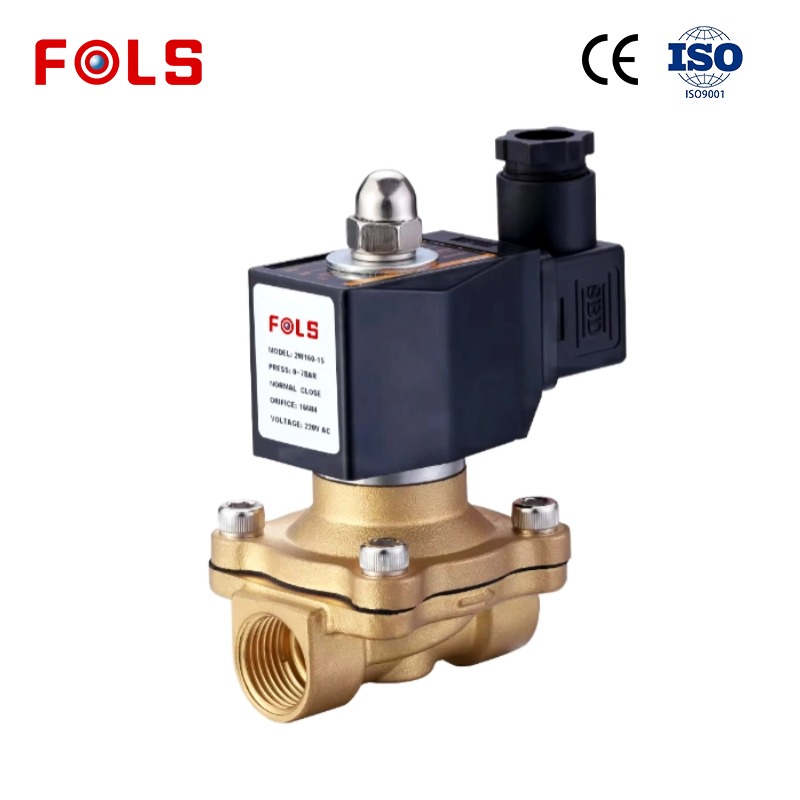
A solenoid valve for steam addresses another question: electrical control of a steam service. The steam valve may belong to a utility circuit, while a diaphragm valve may sit on a process path. Where steam enters a cleaning or sterilization system, verify the service boundaries, pressure and temperature ratings, condensate handling and control sequence for each component. Do not assume that a solenoid valve for steam is suitable for product contact or that a diaphragm valve is automatically suitable for the steam duty.
What to Include in a Supplier Inquiry
A useful request describes the process before naming a diaphragm valve size. Share the normal and exceptional operating conditions, intended cleaning and sterilization cycles, and whether the valve contacts product or a utility. Provide a drawing that shows the diaphragm valve orientation, connections and the surrounding branch.
- List each fluid, cleaning agent and relevant concentration, plus the temperature and pressure ranges.
- State the required flow, line size, end connections and whether the diaphragm valve is for isolation or a defined control duty.
- Describe actuation, control signals, feedback and the required response to loss of power or air.
- Request material traceability, surface-finish information and any project-specific standards documentation for the quoted diaphragm valve.
- Agree on inspection, diaphragm replacement access, spare parts and acceptance testing before purchase.
FOLS Valve works in industrial valves and automation. For a biotech inquiry, provide the process and documentation requirements first, then confirm whether the proposed diaphragm valve configuration and supporting records meet the project's needs. The discussion should distinguish verified specifications from items still awaiting review.
 Hot News





