
 EN
What Is Ball Valve And Its Role In Fluid Control?
A ball valve is a quarter-turn valve that starts or stops flow by rotating a drilled ball inside the valve body. When the opening through the ball lines up with the pipe, fluid can pass; when the ball turns across the flow path, the valve closes. That straightforward action makes it a familiar choice for isolating sections of a fluid system.
From an application engineering perspective, the important question is not simply whether a ball valve opens and closes. It is whether the body, seats, connections and operating method suit the actual fluid, pressure, temperature and control task. Understanding that relationship helps a buyer discuss a practical configuration rather than choose by name alone.
How a ball valve controls flow
In a typical two-port ball valve, a hole, or bore, passes through the center of a spherical closure element. The stem connects that element to a handle or actuator. In the open position the bore is aligned with the inlet and outlet. Turning the stem through approximately 90 degrees rotates the bore across the flow path, so the solid surface of the ball faces the flow and the seats provide the sealing contact.
A handle gives an operator a visible indication of position on many manual designs, although the valve markings and manufacturer's instructions should be checked rather than assumed. An actuator can turn the same stem in response to a control signal. The quarter-turn movement is useful for on/off duty, but closing a line too rapidly can create a pressure surge in some systems. Operating speed should therefore be assessed together with the piping and process.
What are the main ball valve components?
- Body: The pressure-containing housing connects the ball valve to the pipe. Its material and end connections must match the service and piping arrangement.
- Ball and bore: The rotating ball provides the flow path. A full-port bore is intended to be close to the pipe opening; a reduced-port design has a smaller passage. Exact dimensions vary by design.
- Seats: These surfaces contact the ball to provide shutoff. Seat material must be reviewed for the fluid, temperature, pressure and expected wear.
- Stem and stem seals: The stem transfers motion to the ball, while the stem sealing arrangement limits leakage to the surroundings.
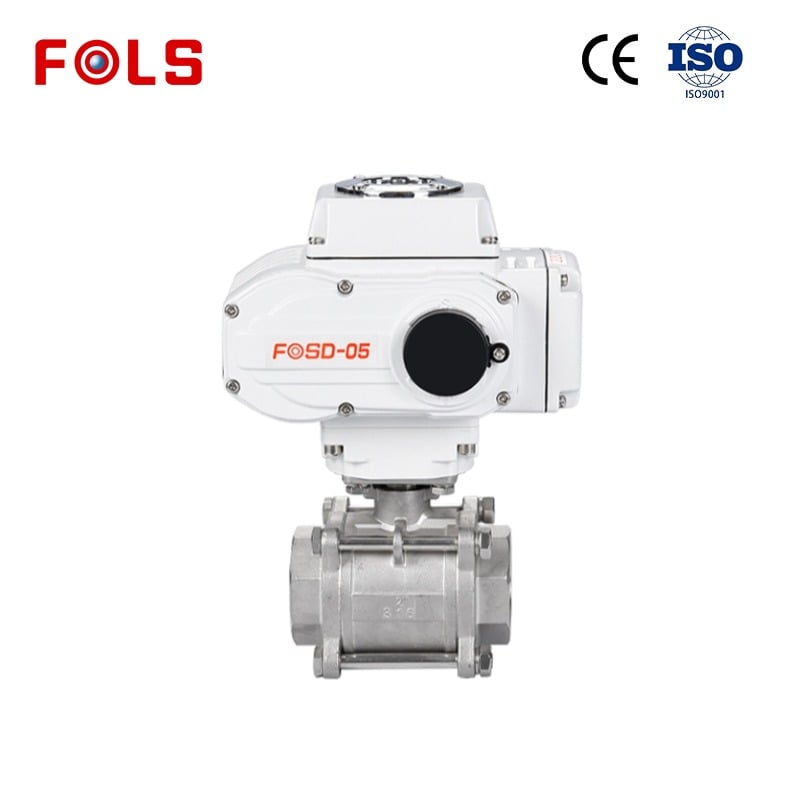
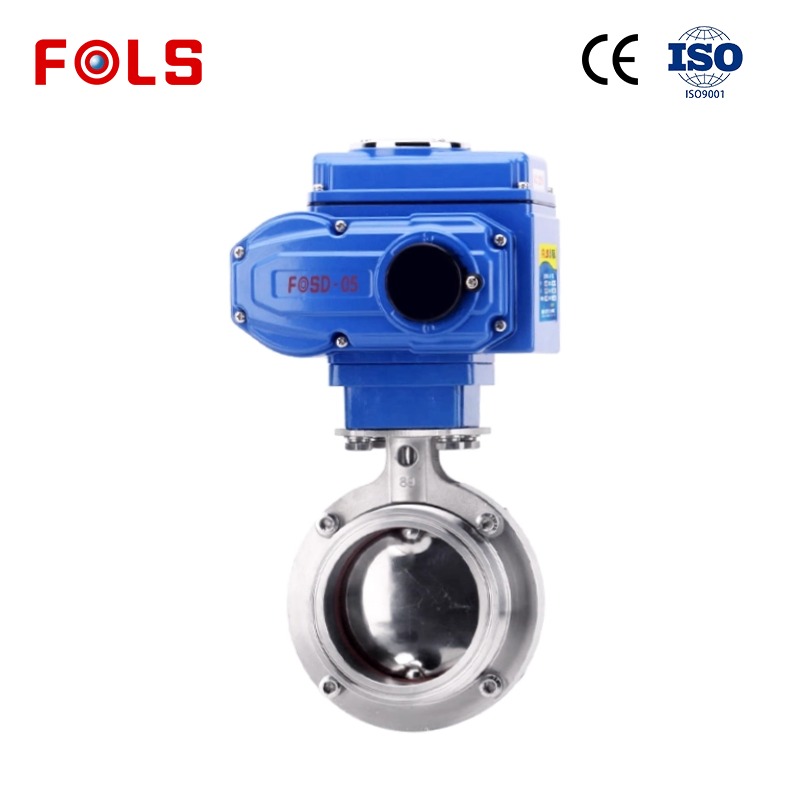
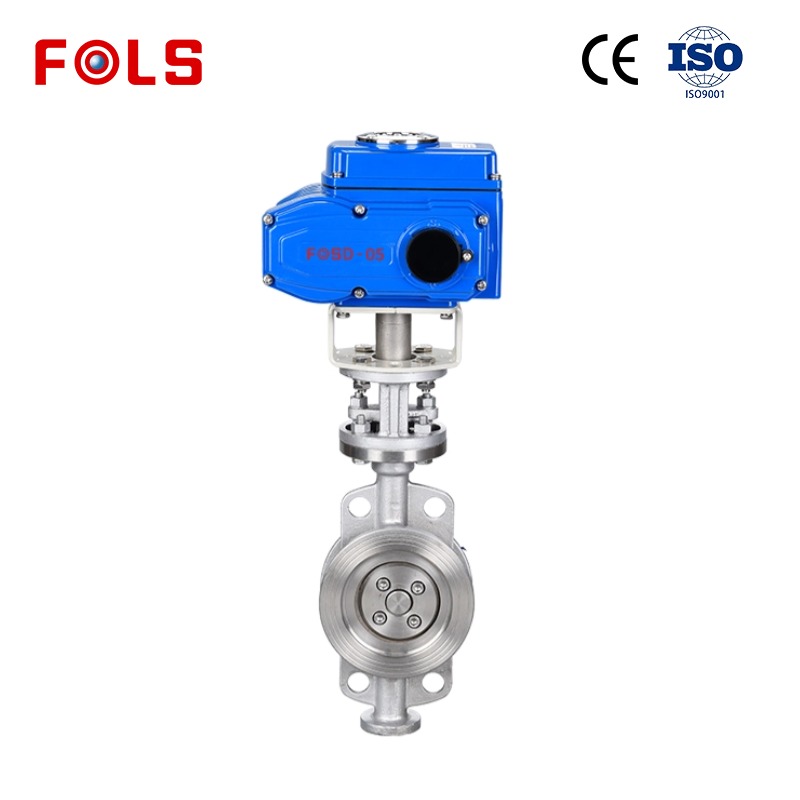
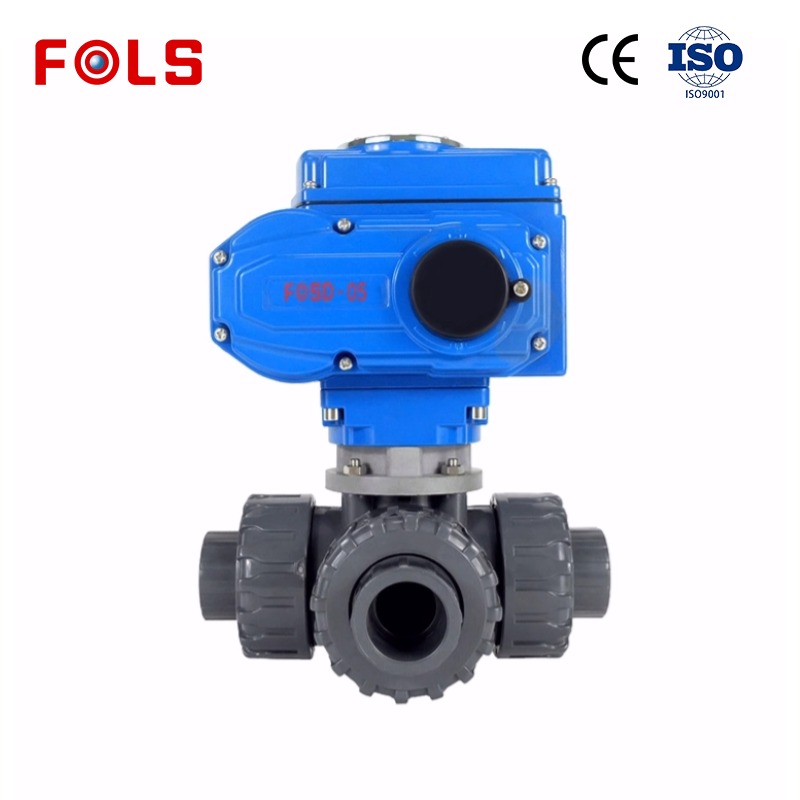
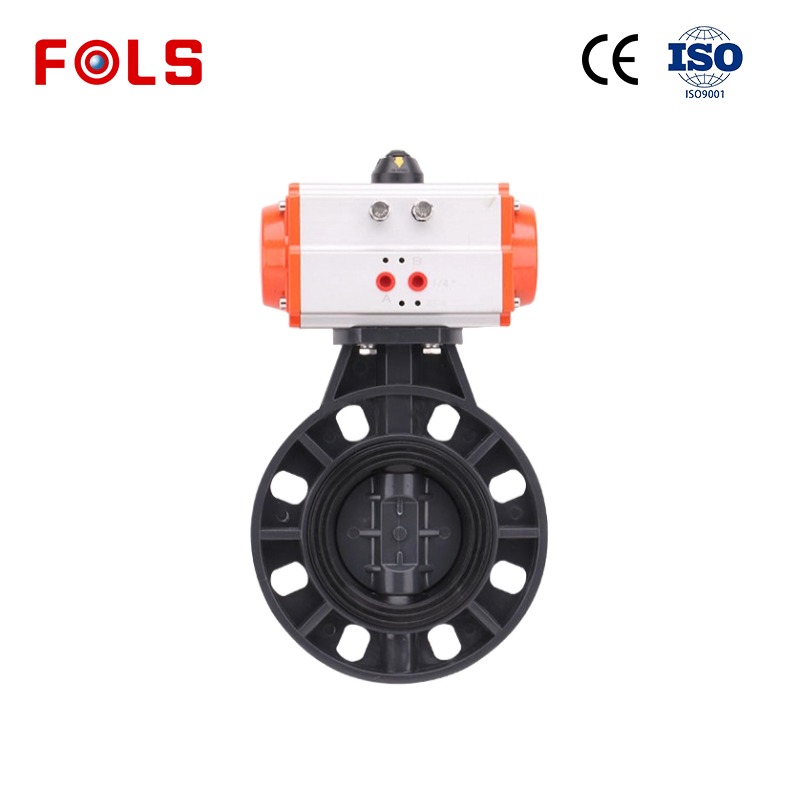
- Handle or actuator: A manual lever, pneumatic actuator or electric actuator supplies the turning motion. Automation also requires suitable controls, mounting and a defined response to loss of power or air.
A ball valve is an assembly, not just a metal body. A body material that is compatible with a fluid does not automatically make the seats and seals compatible as well. Ask for the complete wetted-material list when service conditions are being reviewed.
Where does a ball valve fit in a fluid system?
Isolation is the most common role. A ball valve can separate a branch from a supply line, shut off a pump connection for an approved maintenance procedure, or select a path in an appropriately designed arrangement. In water, drainage, chemical and other process lines, suitability still depends on the specific media and valve construction. An isolation valve is one part of a safe maintenance plan, not a substitute for site lockout, depressurization and verification procedures.
Consider a hypothetical water line feeding a piece of equipment. An upstream ball valve gives staff a way to isolate the branch before service. If that line cycles remotely, an actuator and position feedback may be useful. The team must still confirm pressure, temperature, required leakage performance, connection details and whether the actuator has the torque and utilities needed under operating conditions.
On/off isolation versus flow regulation
A standard ball valve is generally selected for fully open or fully closed service. Leaving it partly open restricts the passage, but flow may change sharply with a small movement and the exposed seats can experience demanding local flow conditions. That makes a conventional ball valve a poor default for continuous, precise throttling.
There are ball valve designs engineered for modulating duty, including characterized-port configurations. Their suitability depends on the valve characteristic, pressure drop, fluid and control system. Where stable regulation is the main objective, compare the proposed design with a dedicated control valve rather than assuming a general-purpose isolation valve will do both jobs equally well.
How to choose a ball valve for the line
Start with service conditions
List the fluid and any solids, corrosive constituents or cleaning chemicals. Then provide normal and maximum pressure and temperature, flow rate, allowable pressure drop and required shutoff performance. The applicable rating must be valid at the actual operating temperature; a single pressure figure without that context is not enough. For drinking water or other regulated service, ask the supplier to document the applicable requirements for the exact valve configuration.
Match size, bore and connections
A 1 inch ball valve refers to a nominal size, not a promise that its internal bore measures exactly one inch. Confirm the actual port dimensions, thread or flange specification, installation length and pipe connection. A full-port and a reduced-port ball valve of the same nominal size can have different flow characteristics, so compare the manufacturer's drawings and flow data with the system requirement.
The search phrase “4 brass ball valve” is ambiguous: it might refer to a four-inch size or a product listing with a different shorthand. Confirm the intended size and connection before requesting a quote. Brass may be suitable for some water and other services, but its alloy, the complete seal materials and compatibility with the actual fluid must be verified. Do not infer a pressure rating or approval from the phrase alone.
Choose the operating method
A manual ball valve can be appropriate where the handle is accessible and the operating effort is acceptable. Pneumatic actuation requires a suitable air supply and controls; electric actuation requires appropriate power and signal connections. For either arrangement, check available torque across the operating range, cycle frequency, environmental protection, feedback and the required failure position. FOLS Valve focuses on industrial valves and automation systems, so the complete valve and actuator arrangement can be discussed together.
Installation and maintenance considerations
Before installation, verify that the ball valve model and materials match the approved specification. Inspect the pipe for debris, support the piping independently and follow the manufacturer's instructions for connection, orientation and tightening. Provide room for the handle or actuator to move and for future inspection. Some designs have a preferred flow direction or special installation conditions, so check the supplied documentation.
During operation, inspect for external leakage and check whether the valve moves as intended under the site's procedures. If isolation performance changes, investigate the cause rather than applying excessive force to the handle. Internal pressure may remain trapped in cavities even after a line is isolated; qualified personnel should follow site procedures and the manufacturer's instructions before dismantling or servicing a valve.
Questions to include in an inquiry
A useful ball valve inquiry identifies the medium, operating and maximum pressure and temperature, nominal size, pipe connection, required bore, seat and body material, and intended duty. Add whether operation is manual or automated, the available utilities, the desired fail position and any required documentation. If a selection is replacing an existing valve, include its nameplate and connection details where available.
In short, a ball valve controls a line by rotating a bored ball between flow and shutoff positions. Its value lies in matching that mechanism to the system: choose the materials and connections for the fluid, decide whether isolation or regulation is needed, and verify the complete assembly against the application before purchase.
 Hot News





