
 EN
What Makes Electric Valve Essential For Modern Fluid Control
Modern fluid systems are expected to do more than open and close a line. They may need to respond to a control signal, document valve position, isolate a process during an upset, or route media without relying on an operator at every point of use. An Electric Valve becomes valuable when it turns those operational needs into repeatable motion at the valve.
From an automation-control perspective, the useful question is not whether an Electric Valve is automatically the right choice. The question is whether the valve body, electric actuator, signal connection, and required fail response form a workable control chain for the actual medium and operating conditions. That distinction matters in water treatment, chemical processing, building services, and other industrial pipework where the mechanical and electrical parts must work together.
Why automated control changes the role of a valve
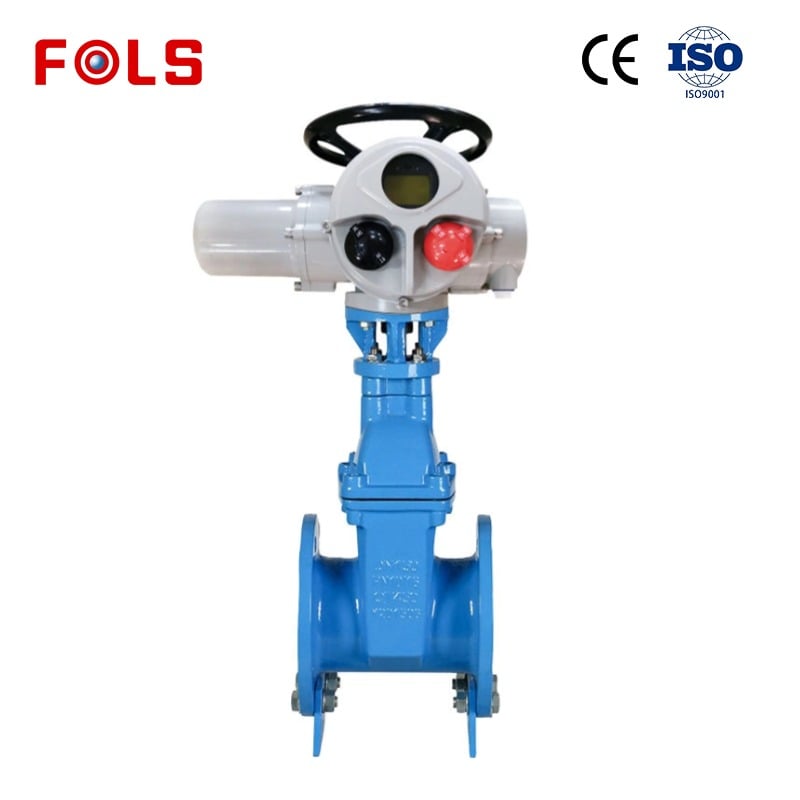
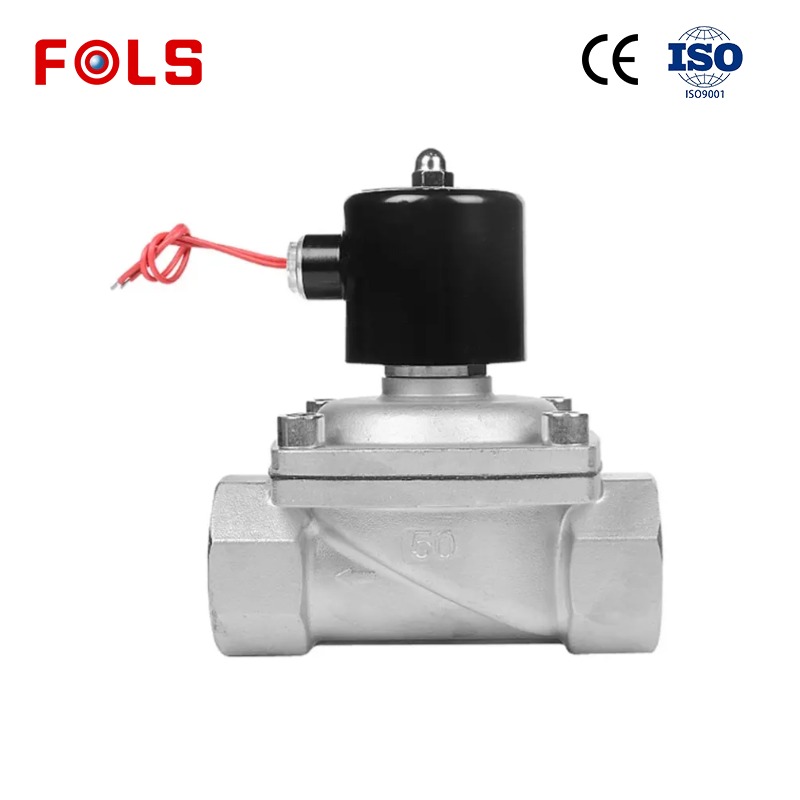
A manual valve depends on a person being present and able to operate it. An Electric Valve uses an actuator to convert an electrical command into valve movement. Depending on the selected configuration, it can support a simple open/close instruction or a modulating movement that follows a control signal. This makes an Electric Valve relevant where control actions need to be coordinated with pumps, level devices, timers, building-management systems, or PLC logic.
The value is not only speed. Repeatability, remote command capability, and position feedback can make a fluid-control sequence easier to manage. Feedback deserves separate attention: a command sent to an actuator is not the same as confirmation that the intended travel occurred. If a process needs proof of valve position, the specification should identify the feedback method, signal type, and fault behavior before equipment is chosen.
For industrial-process control duties, IEC 60534-1:2023 is a useful standards-awareness reference because it applies to industrial-process control valves. It does not, by itself, confirm that any particular assembly is suitable. Project specifications, sizing methods, materials, pressure limits, and the intended duty still need to be checked against the application.
The control chain is more important than the actuator alone
A practical Electric Valve selection starts with the fluid path, then follows the chain outward: valve body, seat or seal, actuator travel or torque, power supply, control signal, feedback, and safety response. Looking at only the actuator can create a mismatch. For example, a motor may be able to move a valve under benign conditions but require a different torque margin when differential pressure, deposits, temperature, or operating frequency changes.
- Process condition: identify the medium, temperature range, pressure, flow requirement, solids content, and corrosion concerns.
- Valve function: decide whether the duty is isolation, diverting, mixing, throttling, or another defined task.
- Actuation requirement: confirm travel or torque, cycle frequency, duty rating, available power, and manual override needs.
- Control connection: define on/off or modulating control, input signal, feedback signal, cable routing, and environmental protection needs.
- Failure response: document what the process should do if power, signal, or communication is lost.
This sequence is why an Electric Valve should be evaluated as part of a system rather than as a standalone catalog item. In procurement discussions, writing down these inputs early usually reduces later clarification about connections and operating limits.
Where a 3 way electric ball valve fits
A 3 way electric ball valve is often considered when the system must redirect one flow to another line or manage a mixing/diverting arrangement. Its relevance comes from routing function, not merely from having an actuator. Before specifying a 3 way electric ball valve, establish the port arrangement, required flow path in each commanded position, pressure relationship between lines, and whether the application needs tight isolation, proportional control, or only two defined positions.
A 3 way electric ball valve can simplify a controlled routing point when its bore geometry and seal materials suit the service. However, it should not be assumed to solve every multi-line problem. Media compatibility, allowable leakage, switching frequency, and the consequences of an incorrect intermediate position all need attention. For a diverting duty, the desired state after a power interruption should be explicitly agreed; different actuator and valve designs may respond differently.
When reviewing a 3 way electric ball valve, ask for the flow diagram, torque basis, electrical connection details, position indication options, and any limits on installation orientation. Those questions are more useful than making a decision from port count alone. They also help engineering and purchasing compare like-for-like configurations.
Why types of gate valves still matter in an automated system
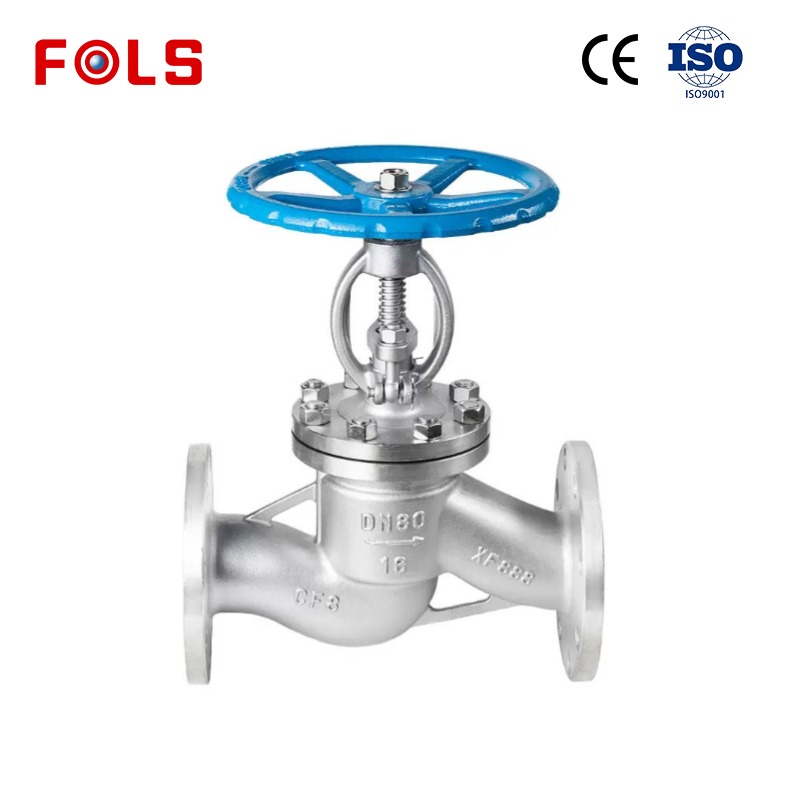
Automation does not make traditional isolation choices irrelevant. The types of gate valves considered for a pipeline still affect how a system is isolated, maintained, and brought back into service. Gate-valve designs are commonly evaluated for isolation duties, while they are generally not the first choice for frequent throttling. The appropriate role depends on the medium, pressure, cycle pattern, and valve construction.
When comparing types of gate valves with a motorized ball-valve option, start with the function rather than the product name. If the requirement is quarter-turn on/off movement and frequent remote operation, a ball-valve configuration may be a useful path to examine. If the line calls for a gate-style isolation approach, the relevant types of gate valves, stem arrangement, wedge design, and actuator compatibility should be reviewed against the actual duty.
This is not a universal preference for one valve family. The types of gate valves appropriate for a water line may not match a corrosive process line, and an actuator selected for infrequent isolation may not be appropriate for a high-cycle sequence. Condition-based comparison is more reliable than a generic ranking.
Common specification gaps that undermine an Electric Valve project
Many difficulties appear before installation, not after it. An Electric Valve specification can be incomplete when it lists only size and voltage while omitting medium details, control mode, position feedback, enclosure expectations, or the required response to power loss. A mismatch between the valve body and actuator is also possible when torque is discussed without reference to pressure conditions or sealing friction.
It helps to separate known facts from items that still need confirmation. Known facts may include line size, available power, and whether the system needs remote operation. Items still needing confirmation may include differential pressure during movement, precise material compatibility, signal protocol, cable entry, and the required safe state. That approach gives technical teams a clearer basis for evaluating an Electric Valve without implying unverified performance.
A concise selection checklist
- Describe the fluid and operating envelope, including abnormal conditions where relevant.
- Define the valve task: isolation, routing, mixing, or modulating control.
- Confirm whether an Electric Valve needs on/off commands, modulation, feedback, or local override.
- For a 3 way electric ball valve, document the required port paths and the preferred state during an interruption.
- For types of gate valves, confirm that the intended operating pattern aligns with the isolation duty and actuator arrangement.
- Request dimensional, electrical, material, and control-connection information before final approval.
Conclusion
An Electric Valve is essential to modern fluid control when a process benefits from coordinated, repeatable valve movement and a clearly defined connection to the wider control system. Its real contribution comes from a sound match between process conditions, valve function, actuator capability, and signal design. By treating a 3 way electric ball valve as a routing decision and reviewing types of gate valves through their isolation role, teams can make a more disciplined selection and identify the technical details that still require confirmation.
 Hot News





