
 EN
Why Butterfly Valve Is Popular For Large Diameter Pipes?
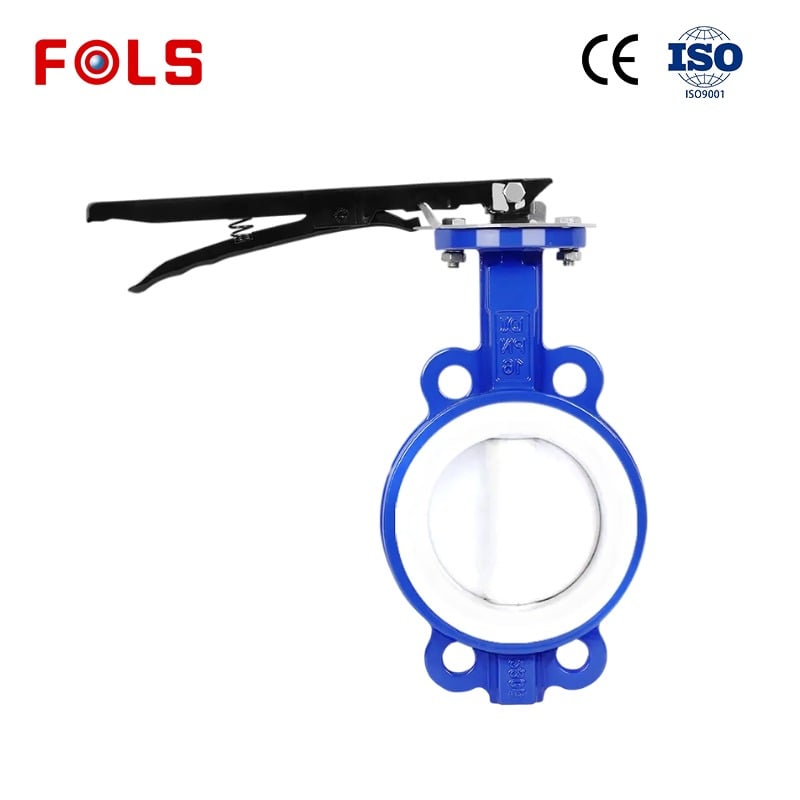
For a large pipeline, the valve has to fit more than the pipe diameter. It must fit the available space, operating conditions, lifting plan and maintenance schedule as well. A butterfly valve is a common candidate because its rotating disc sits in a relatively short body and moves through a quarter turn between the usual open and closed positions. That compact arrangement can make a significant difference when the line itself is large.
The choice is not automatic. A butterfly valve also leaves its disc in the flow path, and its seat and actuator must suit the actual duty. The useful question is not simply which valve is popular, but which design fits the pressure, medium and operating requirements of this line.
Why size changes the valve decision
As pipe diameter increases, the space needed for equipment, supports and access becomes harder to ignore. A butterfly valve can offer a shorter face-to-face arrangement than some alternative valve designs for comparable duties. Depending on the products being compared, that may help in a crowded pump room or an existing line with limited room between flanges. Actual dimensions vary by design and connection type, so compare the drawings rather than relying on a generic size label.
Weight matters too. A butterfly valve is often lighter than a comparable large valve of another type, but the difference depends on construction, rating and materials. A lower mass can make transport and positioning more manageable; it does not remove the need for a site-specific lifting plan, suitable supports or an assessment of the actuator load.
Quarter-turn motion helps simplify operation
A butterfly valve uses a disc mounted on a shaft. Turning the shaft rotates the disc from a position across the flow toward a position aligned with it. The quarter-turn travel supports manual gear operation or electric and pneumatic actuation, depending on the assembly and duty. The travel distance alone does not determine how quickly the system should close.
On a large water line, rapid closure may create a pressure surge. The operating time, control logic and any surge protection should therefore be assessed for the whole system. Ask for the required torque at the relevant differential pressures, including seating, unseating and operating torque, and size the actuator with the supplier using the applicable design margins.
A gearbox can make a large butterfly valve more manageable to operate manually, while an actuator can support remote operation. Neither should be selected as an afterthought: check available power or air, control signals, duty cycle, position indication and the desired response if the supply is lost.
Where the economic benefit comes from
A compact butterfly valve can reduce the amount of material in the body compared with some alternative designs. In large diameters, that may translate into a lower purchase cost, but prices vary with pressure class, lining, end connections and actuator specification. Request comparable quotations instead of assuming a saving.
Look beyond the valve price. A meaningful comparison includes lifting equipment, piping modifications, electrical or air connections, spare parts and the time needed to isolate and service the line. For a replacement, a shorter body is useful only if the proposed unit can be installed within the existing flange arrangement without creating other work.
Flow capacity and pressure loss still need checking
When a butterfly valve is open, its disc and shaft remain in the passage. They create some obstruction, so pressure loss is not zero. Its magnitude depends on valve geometry, opening angle and flow conditions. Ask for the supplier's flow coefficient or pressure-loss data at the intended opening and use the system's actual flow rate in the calculation.
A butterfly valve may also be used for throttling when the design and operating conditions support it. However, a unit chosen for isolation should not automatically be treated as a precision control valve. Review controllability, vibration, noise, cavitation and seat wear at the expected operating positions with the supplier and system designer.
When another valve type may fit better
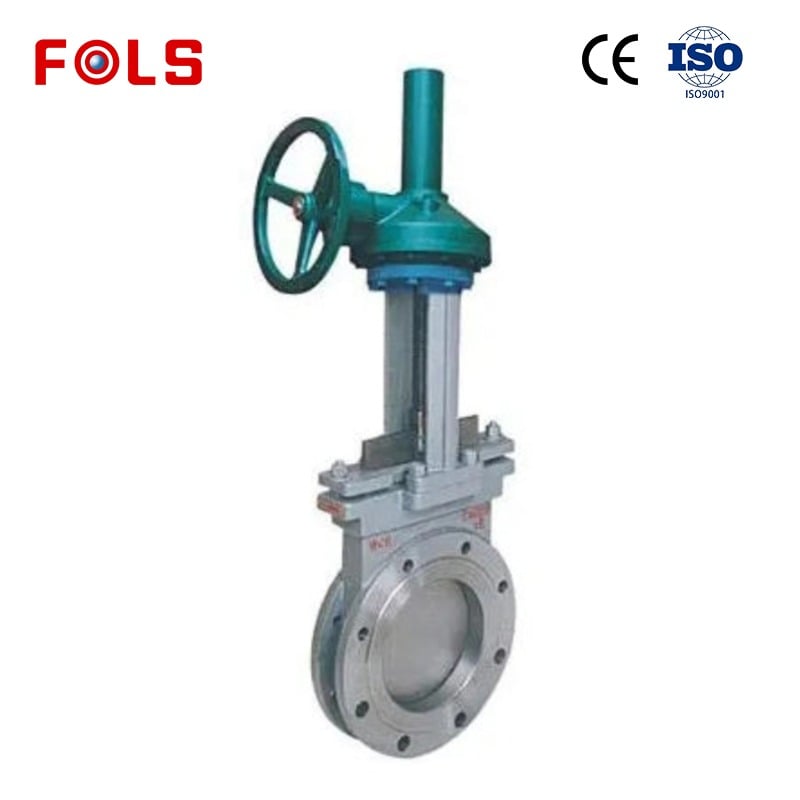
The larger the line, the more valuable a fair comparison becomes. A resilient-seated gate valve can be worth considering where the specification calls for an unobstructed passage when fully open. It generally needs a different operating arrangement and may require more installation or access space; actual dimensions and duty ratings must be compared. In purchasing documents the phrase gate valve resilient seated describes a candidate, not proof that its seat is suitable for a particular fluid.
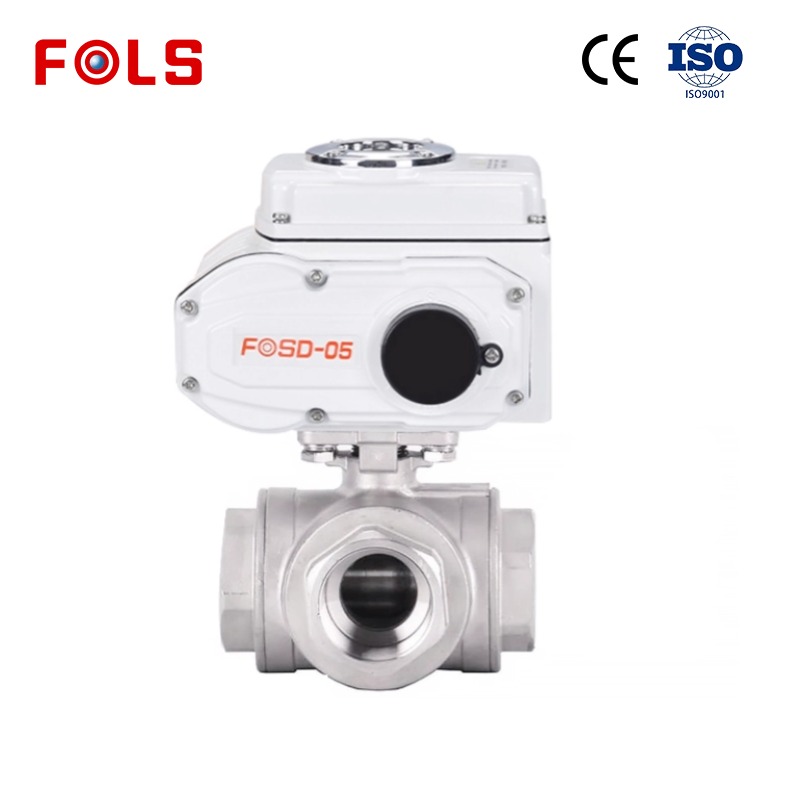
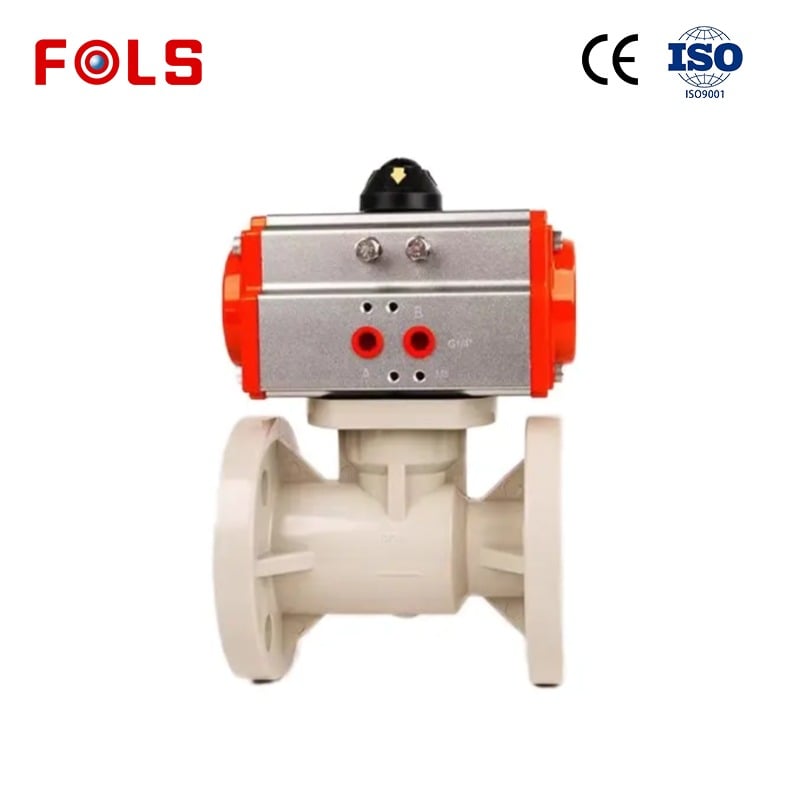
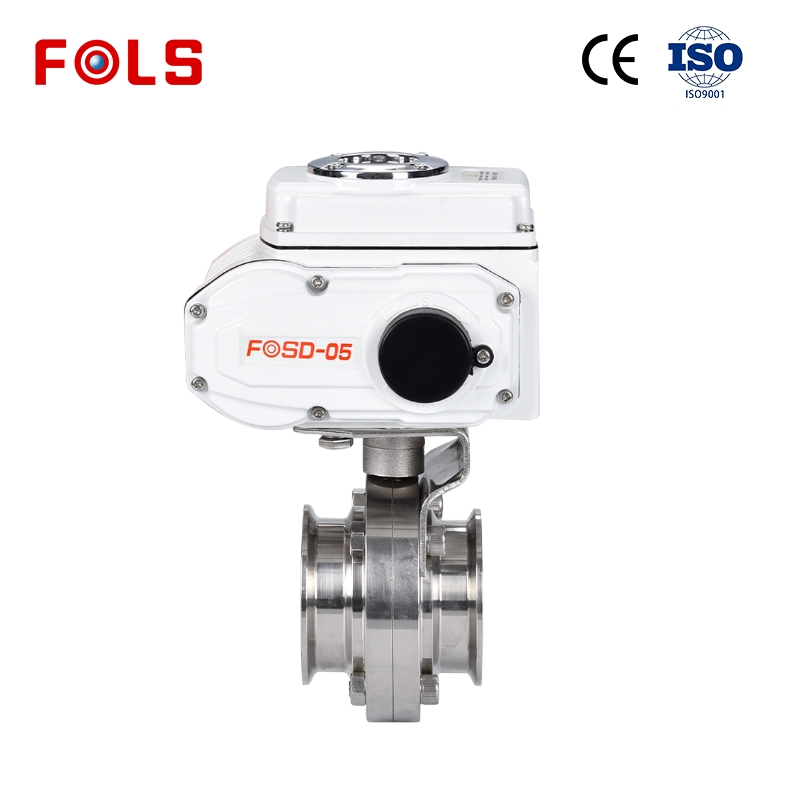
A ball valve with actuator is another option where the process specification calls for an actuated ball design. A full-port configuration may offer an open flow path, but available bore, weight, cost, torque and pressure rating vary by product. A butterfly valve may be more practical in a confined large-diameter installation, while the ball design may be preferable for other requirements. Compare certified drawings and duty data rather than applying one rule to every service.
Installation details that are easy to miss
Before ordering a butterfly valve, check whether its disc can rotate freely inside the adjoining pipe, flange, liner or nearby fitting. Disc clearance is especially important with thick-wall pipe, reducers and other components close to the valve. Verify the flange drilling, face-to-face dimension, pressure rating and end connection against the actual pipeline.
Leave room for the operator or actuator, its wiring or air lines, and future removal. Some body styles have different downstream isolation and end-of-line capabilities; do not assume a wafer or lug arrangement can serve a particular isolation duty without the manufacturer's approval. Follow the selected manufacturer's installation instructions for disc position, flange preparation and bolt tightening.
A practical selection checklist
Prepare a short duty sheet before requesting a butterfly valve quotation. Include the normal and maximum pressure and temperature, differential pressure during operation, flow rate and fluid composition. Note solids, abrasiveness, corrosion risks and any change in fluid chemistry. Then agree on the following details:
- Nominal pipe size, mating flange details, available face-to-face space and disc clearance.
- Required shutoff performance, flow control range and applicable project specifications.
- Body, disc, shaft and seat materials compatible with the medium and temperature.
- Manual, electric or pneumatic operation, required speed, supply conditions and loss-of-power response.
- Installation orientation, lifting points, service access, inspection needs and replacement parts.
- Documented pressure and temperature limits, torque data and any test records requested by the project.
For a hypothetical large cooling-water header, the initial attraction may be the compact body. The final decision still depends on water chemistry, pressure, available clearance and the required shutdown behavior. Confirm those conditions first, then compare the proposed butterfly valve with alternatives on the same duty sheet. FOLS Valve's industrial valve and automation focus makes those valve-body and operating-method questions relevant to an inquiry, but any specific configuration should be confirmed against the supplier's documentation.
 Hot News





