
 EN
Why Check Valve Is Vital For System Safety?
A pump stops unexpectedly, but the liquid in the discharge line does not simply disappear. If pressure downstream is higher, flow can reverse toward the pump. A check valve is intended to respond to that change without waiting for an operator or a control signal. For a piping engineer, its value lies in how it limits a specific reverse-flow path, not in the assumption that one valve makes a whole system safe.
That distinction matters in wastewater, chemical processing and other industrial networks. A check valve must suit the fluid, operating conditions and shutdown behavior of its particular line. The following questions help engineers and buyers identify where protection is needed, what can undermine it, and what still needs separate verification.
How a Check Valve Responds to Flow
A check valve generally opens when pressure and flow act in the intended direction. A disc, ball or other closure element lifts off its seat; when forward flow declines, a spring, gravity or reverse pressure moves it toward the seat, depending on the design. The flow arrow on the body identifies the intended direction. An incorrectly oriented check valve may not perform its intended function.
Closure is not necessarily instantaneous or leak-tight. The check valve design, available differential pressure, wear and debris all affect its response. Ask the supplier for the applicable leakage criteria and test method rather than assuming that a closed check valve provides positive isolation for maintenance.
Where Reverse Flow Creates Safety Problems
Pump shutdown and common headers
When a pump trips, liquid from an elevated line or a pressurized common header can flow back through the idle branch. A check valve in an appropriate location can restrict that reverse path and reduce the chance of unwanted reverse rotation or transfer. With parallel pumps, each branch needs a system-specific review: a check valve on one branch does not automatically protect another.
Consider a wastewater lift station with two pumps feeding the same header. If one pump stops while the other continues, the stopped branch may see pressure from the header. A check valve on that branch is intended to limit return flow. The actual valve position, isolation arrangement and shutdown sequence must be checked against the plant design; this example is a scenario, not a claim about a particular installation.
Unwanted mixing and exposure
Reverse flow can also move process fluid into a line or vessel not intended to receive it. A check valve can be one part of the design response, but its presence does not establish that contamination, chemical exposure or overpressure has been controlled. Review the credible failure paths, pressure differentials and consequences with the responsible engineer.
For a potable-water connection, a single check valve is not a substitute for the approved, testable backflow protection assembly required by the local authority. The applicable assembly, installation and inspection requirements depend on the connection and jurisdiction. A check valve should not be presented as a replacement for those requirements.
Hydraulic Surge: Why Closure Timing Matters
A check valve that closes after appreciable reverse velocity develops can contribute to a pressure surge when that moving liquid is brought to rest. Conversely, a suitably selected spring-assisted check valve may begin closing as forward flow slows, limiting the reverse velocity before seating. Neither outcome should be assumed from the valve label alone.
Surge behavior depends on the pipe layout, fluid properties, pump inertia, operating sequence and valve dynamics. If a check valve is part of a line with a significant transient risk, have a qualified engineer assess the system and its proposed closure characteristics. Other surge-control measures may be needed; a check valve is not a substitute for that analysis.
Choosing a Check Valve for the Actual Duty
Start with the operating envelope rather than a familiar valve name. A check valve that works well at one flow rate may chatter or remain partly open at another. Repeated movement can accelerate wear, increase noise and make the intended protective function less dependable. Review minimum, normal and maximum flow as well as startup and shutdown conditions.
- Fluid and materials: Confirm compatibility of the body, seat and moving parts with the fluid, temperature and any solids. Ask how deposits or particles may affect the check valve seat and movement.
- Pressure and flow: Specify normal and maximum pressure, temperature, flow range, allowable pressure loss and the differential pressure needed for opening. Check the pressure and temperature ratings for the selected configuration.
- Orientation and location: Verify the permitted mounting position and direction. A check valve may have orientation constraints; provide access for inspection and follow the manufacturer's installation instructions.
- Closure behavior: Discuss spring-assisted, swing or other designs against the expected flow reversals and transient study. The appropriate check valve depends on the system, not a universal ranking.
- Maintenance and documentation: Request the applicable drawings, materials, leakage criteria, test records and service instructions. Confirm spare parts and safe access before a check valve is placed in service.
How Related Components Fit the System
A foot valve strainer is relevant on some pump suction lines. The foot valve is a check valve at the submerged end of the suction line; its strainer limits entry of larger debris while the valve can help retain liquid in the line between pump starts. Its performance depends on sealing, submergence and the condition of the screen. A blocked foot valve strainer can restrict suction flow, so inspection and cleaning access matter. It does not replace the separate check valve assessment on the discharge side.
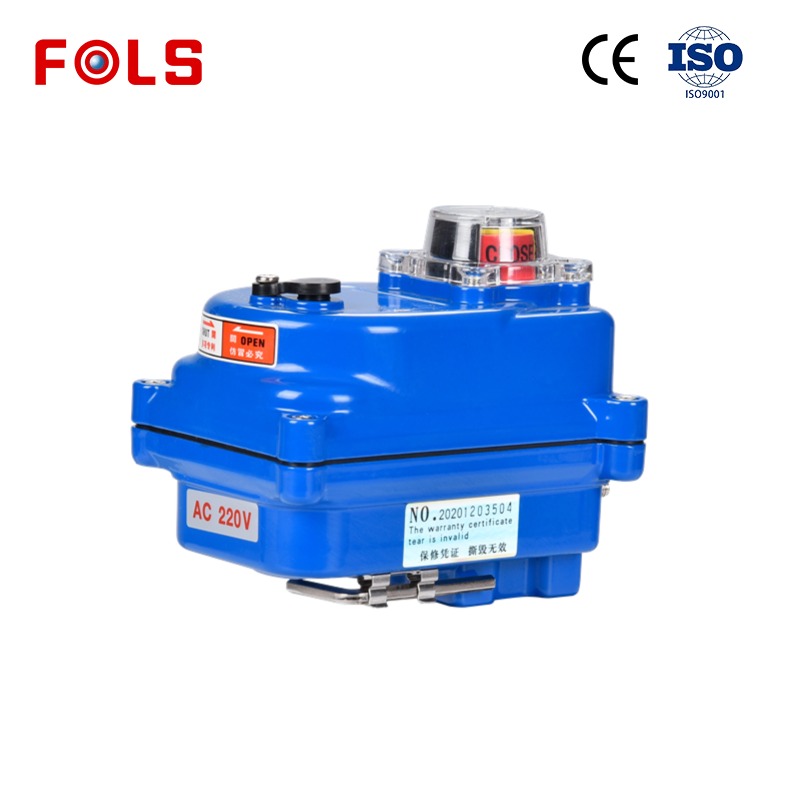
A smart positioner serves a different purpose. It controls or monitors the position of a compatible actuated control valve in response to a control signal. A typical self-acting check valve responds to flow and pressure rather than a positioner command. A smart positioner can be useful elsewhere in the process, but it does not by itself verify that a check valve has seated or provide an independent reverse-flow barrier.
Inspection, Testing and Safe Isolation
During operation, investigate new noise, repeated knocking, vibration or unexpected flow after shutdown. These signals can point to check valve chatter, seat damage or other system issues; they are not a diagnosis on their own. Compare pressure and flow readings with the expected operating pattern, then follow the site's procedures for investigation.
For inspection, isolate and depressurize the relevant section using the approved site procedure, verify the safe state, and account for trapped pressure and hazardous fluid. Do not rely on a check valve as the sole maintenance isolation point. After qualified personnel inspect or service the check valve, use the manufacturer's and site's approved test method to verify the intended function before returning the line to service.
In a specification or replacement request, describe the fluid, operating envelope, installation position, shutdown scenario and required documentation. Guangzhou Fols Valve Technology Co., Ltd. works in industrial valves and automatic control systems; a technical discussion can begin with those system details rather than an assumed valve selection. A check valve is most useful when its duty, limits and verification plan are understood alongside the rest of the protection scheme.
 Hot News





