
 EN
What Makes Ball Valve Indispensable In Engineering?
A pipe network may run for months without an operator touching a valve, then require a section to be isolated for inspection in a matter of moments. A ball valve is often chosen for that job because a simple quarter-turn changes its flow path from open to closed. Its value, however, depends on the medium, the operating conditions and the way the valve is installed, not on the name alone.
For engineers and buyers, the practical question is not whether a ball valve is universally superior. It is whether its shutoff function, pressure rating, materials and actuator match the system. The following considerations help turn a familiar component into a well-defined specification.
How a ball valve controls a flow path
Inside the body is a ball with a passage through it. When the passage aligns with the pipe, fluid can flow; when the ball turns approximately 90 degrees, the passage faces across the line and the seats contact the ball to provide shutoff. The stem connects the ball to a handle or an actuator. Body, stem sealing, ball and seats must work together under the actual operating conditions.
This direct motion makes a ball valve useful where operators need a clear open-or-closed command. A handle gives a local visual cue, while an automated assembly may use position feedback. Neither replaces a suitable isolation procedure: an indicated closed position alone does not prove that a line is safe to open. Follow site procedures for isolation, depressurization and verification.
Why engineering teams specify ball valves
Fast isolation with a compact motion
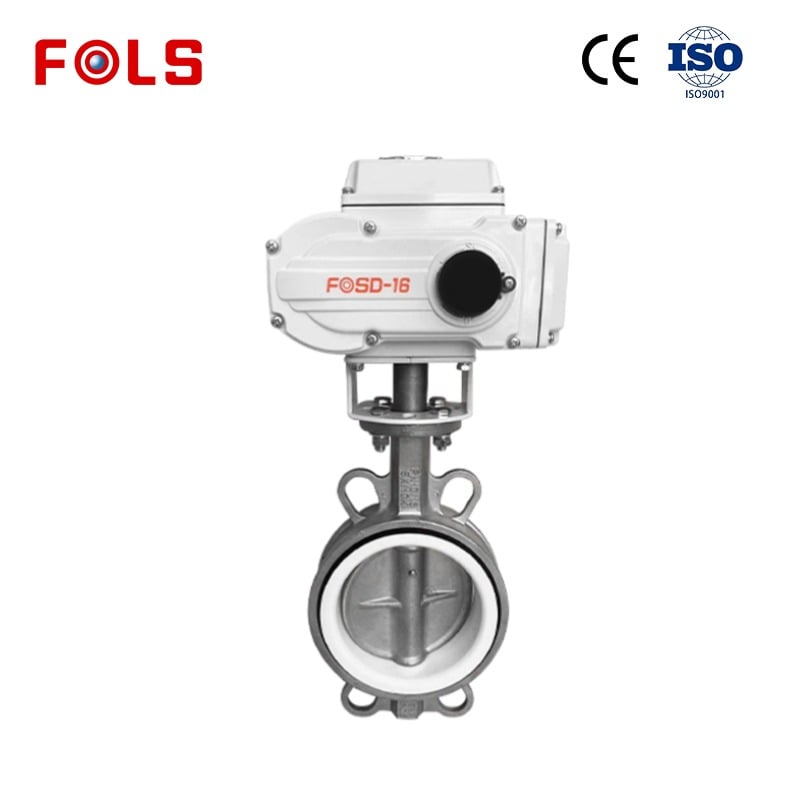
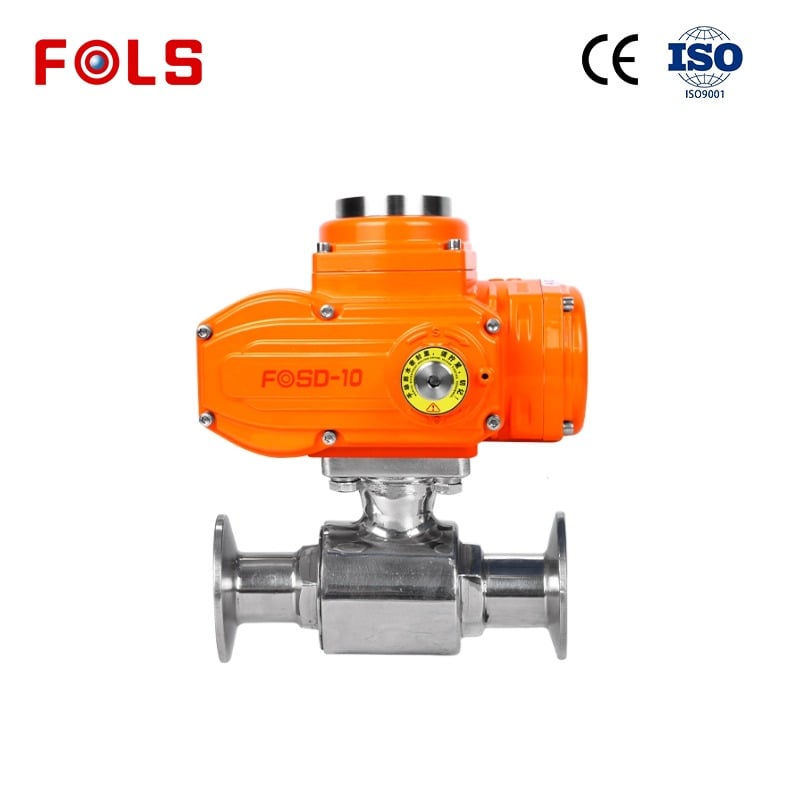
Quarter-turn operation requires less travel than a multi-turn mechanism. In a water distribution branch, for example, an operator can isolate a section before service while other parts of the network remain in operation if the system design permits. For remote or repetitive switching, the same ball valve can be specified with a compatible electric or pneumatic actuator. Operating speed still matters: closing too quickly may contribute to a pressure surge in liquid piping.
A relatively direct flow route
When fully open, the passage through a ball valve can provide a relatively direct route. A full-bore design has a passage approximately matching the connected pipe bore; a reduced-bore design uses a smaller passage. A larger opening may help when the pressure-loss allowance is tight or a line must accommodate cleaning tools. A reduced opening can be suitable where its flow restriction is acceptable. Neither type has zero pressure loss, and actual performance depends on geometry and operating conditions.
Adaptability across systems
Ball valve configurations appear in utility water, wastewater, chemical processing and energy facilities. These applications do not share a single material prescription. A clean water line, a corrosive chemical stream and a slurry line place different demands on the body, ball, seats and seals. The valve's published limits and a review of the actual fluid are more useful than assuming a common design fits them all.
Choose the valve around the duty, not just the pipe size
Begin with the fluid composition, including concentration, solids and any cleaning chemicals. Then document normal and maximum pressure, operating and transient temperature, expected flow, required shutoff and cycling frequency. Check material compatibility for all wetted parts, not only the body. A seat that suits one temperature or chemical may not suit another.
Next, compare connection type, pressure class, available installation length and maintenance access. Specify the applicable design and test requirements for the project and obtain the relevant documentation from the supplier. Ratings depend on the exact valve construction and temperature; a catalogue headline is not a substitute for the applicable pressure-temperature information.
What about a 1 inch ball valve?
A 1 inch ball valve may be a sensible starting point for a small branch line, but its nominal connection size does not define its actual bore, flow capacity or thread form. Confirm the pipe standard, end connection, pressure and temperature limits, and whether a full or reduced passage is needed. Two valves with the same nominal size can behave differently in the same system. Check the manufacturer's flow data against the allowable pressure drop before choosing.
Isolation and metering are different jobs
A standard on/off ball valve is generally selected for isolation, not for precise, continuous flow adjustment. Partially opening an ordinary shutoff design can create high local velocities and seat wear; the degree of risk depends on the valve and service. For a process that calls for controlled flow, evaluate a purpose-designed control valve and its flow characteristic, actuator and control system.
A metering ball valve may refer to a ball valve configured for a metering or regulated-flow duty, but the term alone does not establish accuracy or suitability. Ask for the specific flow characteristic, operating range, control capability and test data. If the duty involves dosing, also consider the measurement instrument, downstream pressure and the response of the whole loop. A valve can adjust flow without itself measuring the quantity delivered.
Actuation and installation details affect the result
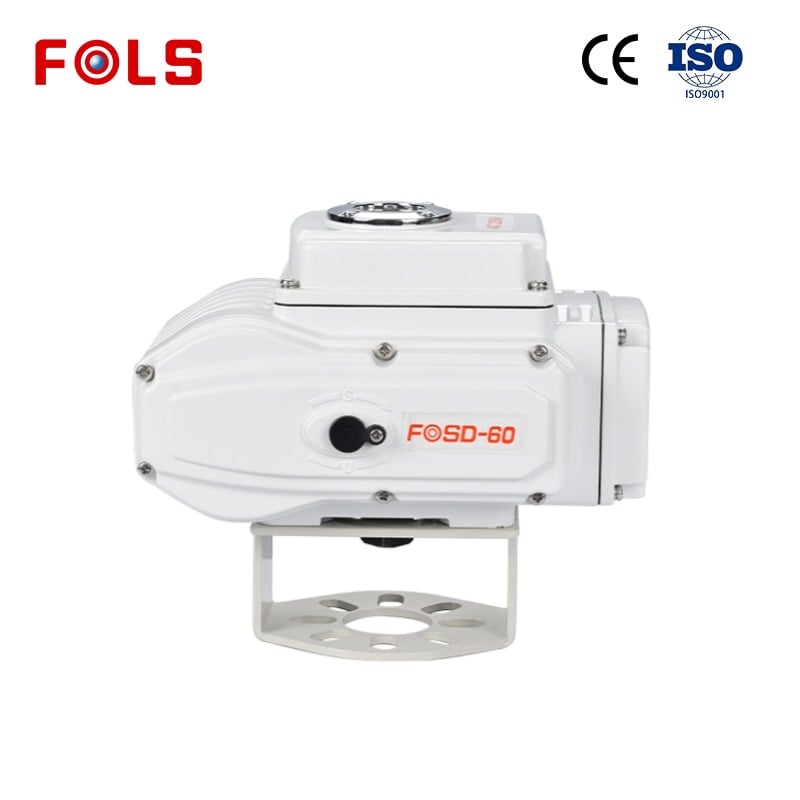
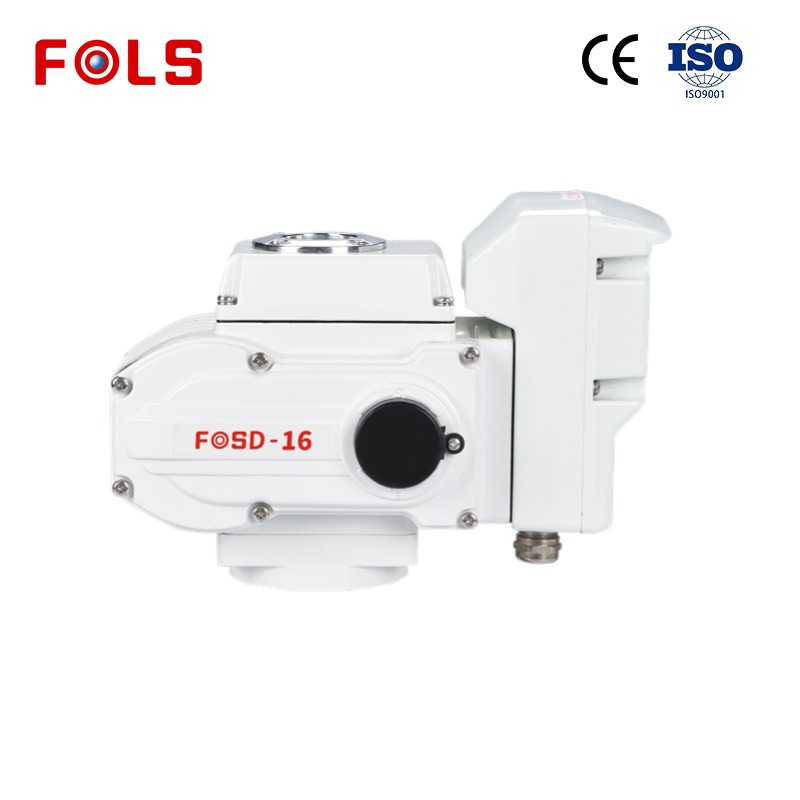
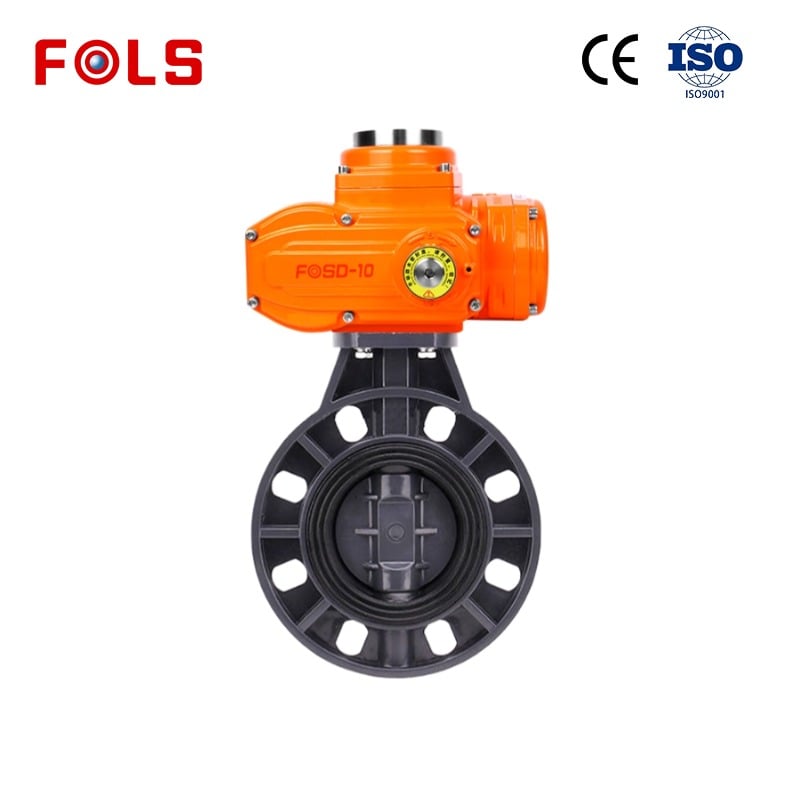
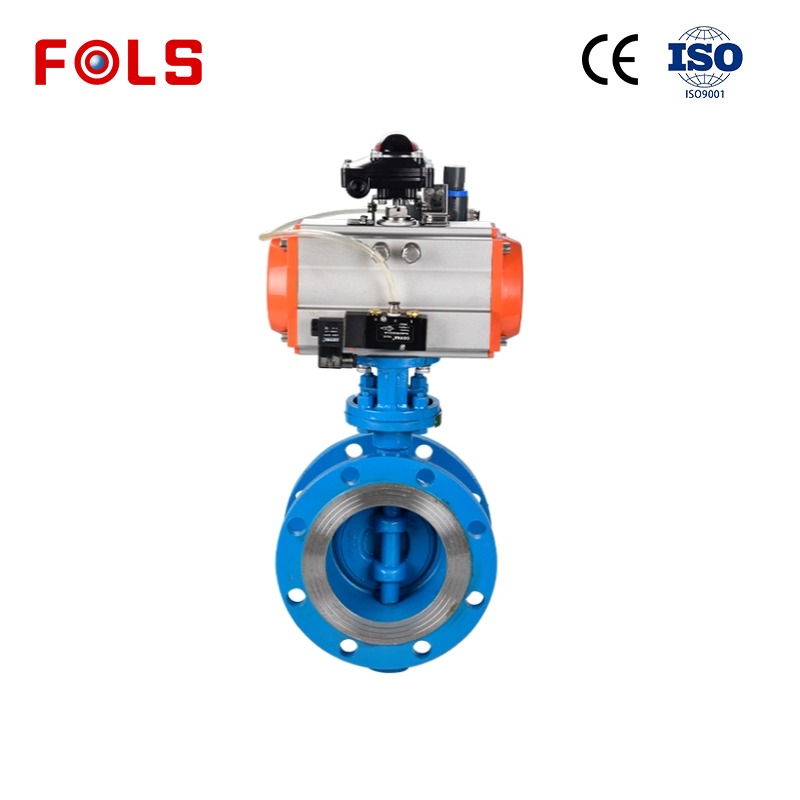
Choose manual operation where the location is accessible and cycling is infrequent. Electric actuation may suit a site with available power and an appropriate control signal; pneumatic actuation requires a suitable air supply. For either choice, size the actuator against the manufacturer's valve torque over the expected pressure, temperature and service conditions. Include the required margin, mounting connection, feedback and the specified position on loss of power or air.
Before installation, verify orientation where the manufacturer specifies it, support the pipe, and leave room for the handle or actuator to travel. Keep debris out of the line during assembly. After installation, use the approved test and commissioning procedure; inspect for external leakage and confirm the commanded travel. Plan periodic checks based on service severity and manufacturer instructions rather than assuming a maintenance-free life.
A concise specification checklist
- Fluid, concentration, solids and cleaning conditions.
- Normal and maximum pressure and temperature, including credible transients.
- Required flow, allowable pressure loss, nominal size and bore.
- Body, ball, seat and stem-seal materials compatible with the duty.
- Connection, installation space, shutoff and project test requirements.
- Manual or automated operation, cycling frequency, actuator torque and failure position.
With these inputs, a ball valve can be assessed as part of a working system rather than as an isolated catalogue item. For a discussion of valve and actuation requirements, visit FOLS Valve and prepare the operating details above before requesting a specification.
 Hot News





