 EN

Why Is Ball Valve Essential In Chemical Processing?
In chemical processing, a shutoff decision is rarely just a piping detail. A valve may isolate a reactor feed, separate a transfer line for maintenance, or hold a process boundary during an upset. That is why a Ball Valve is often considered early in a line-item review: it can move from open to closed with a quarter turn and provides a direct, easy-to-understand isolation function. Still, a Ball Valve is essential only when its construction matches the fluid, operating envelope, and control duty.
From an industrial-valve application engineer’s perspective, start with the medium, pressure, temperature, and control method before discussing valve style. A Ball Valve can be a practical fit for many chemical lines, but a nameplate alone does not establish suitability. The body, ball, seats, stem seals, packing, end connections, and actuator all need to be reviewed as one assembly.
Fast, clear isolation supports safer process decisions
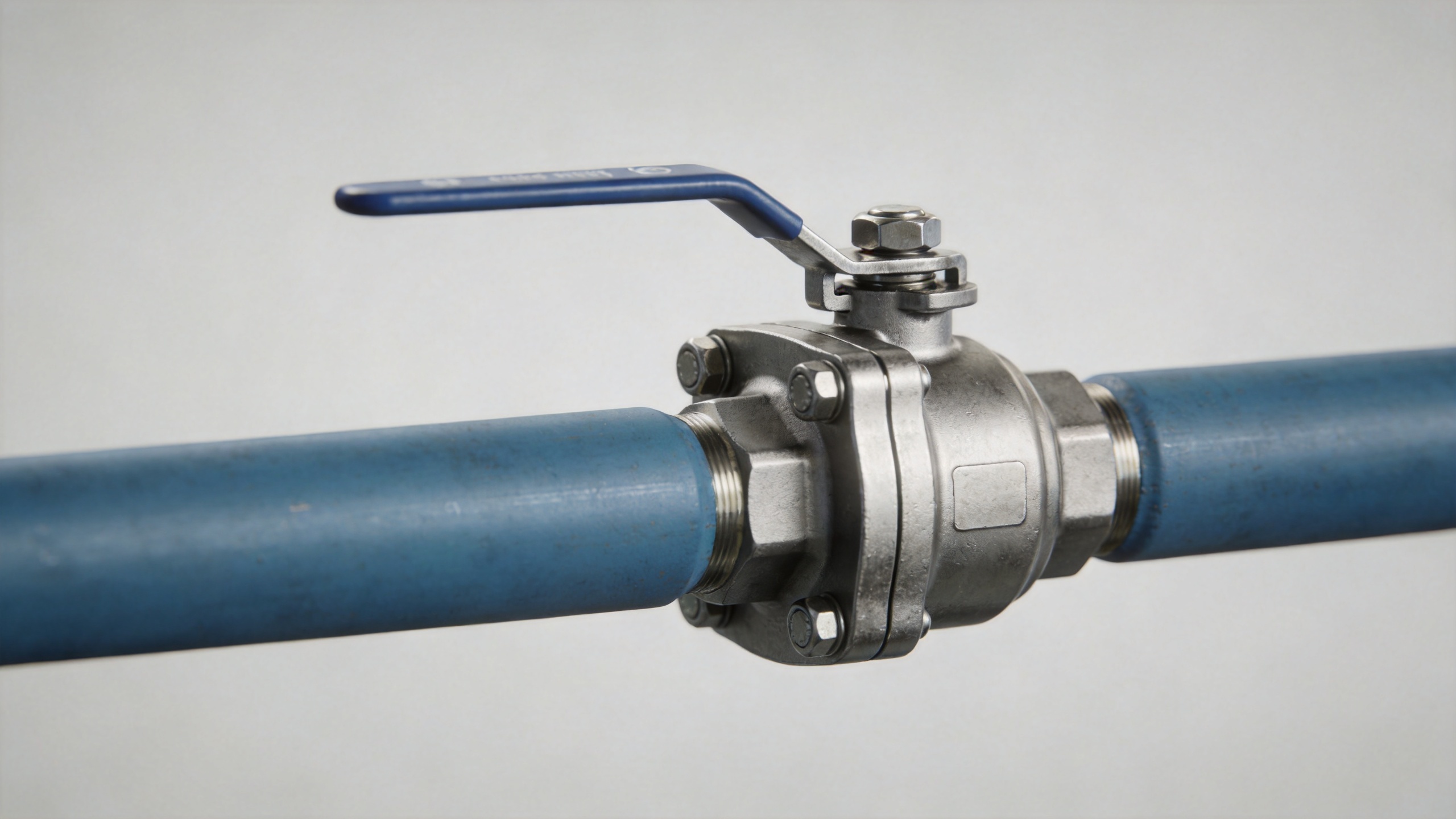
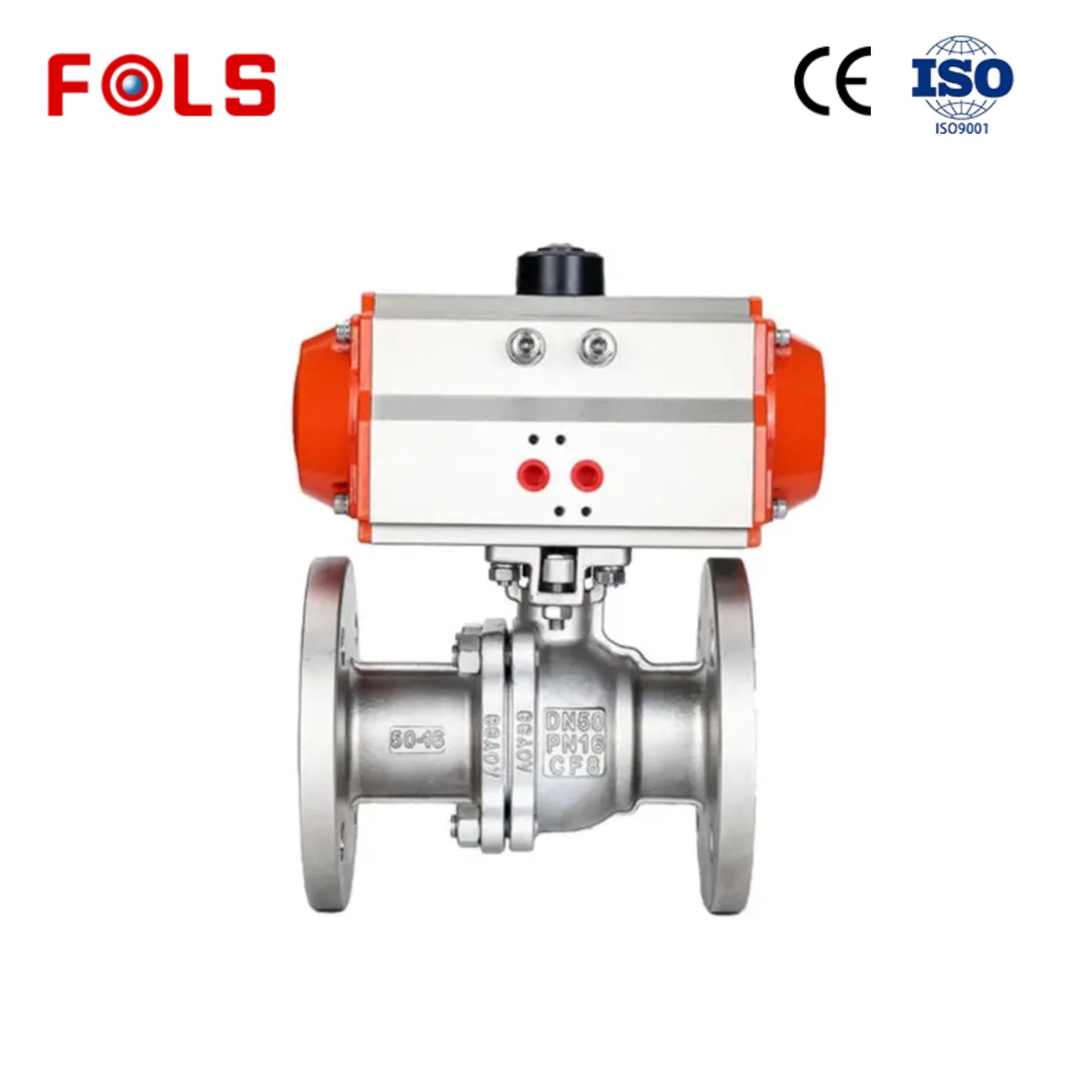
The basic strength of a Ball Valve is its simple operating motion. When the bore in the ball aligns with the pipeline, flow can pass; when the ball rotates ninety degrees, the flow path is shut. This makes a Ball Valve useful where operators or automated systems need a recognizable open/closed position. It can help isolate pumps, vessels, filters, sampling branches, and transfer sections so that work can be planned around a defined process boundary.
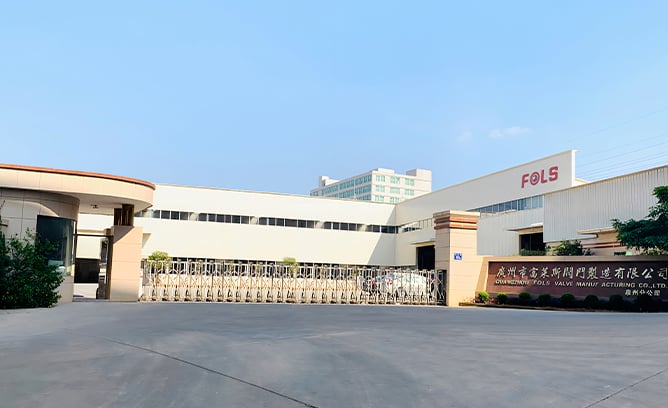
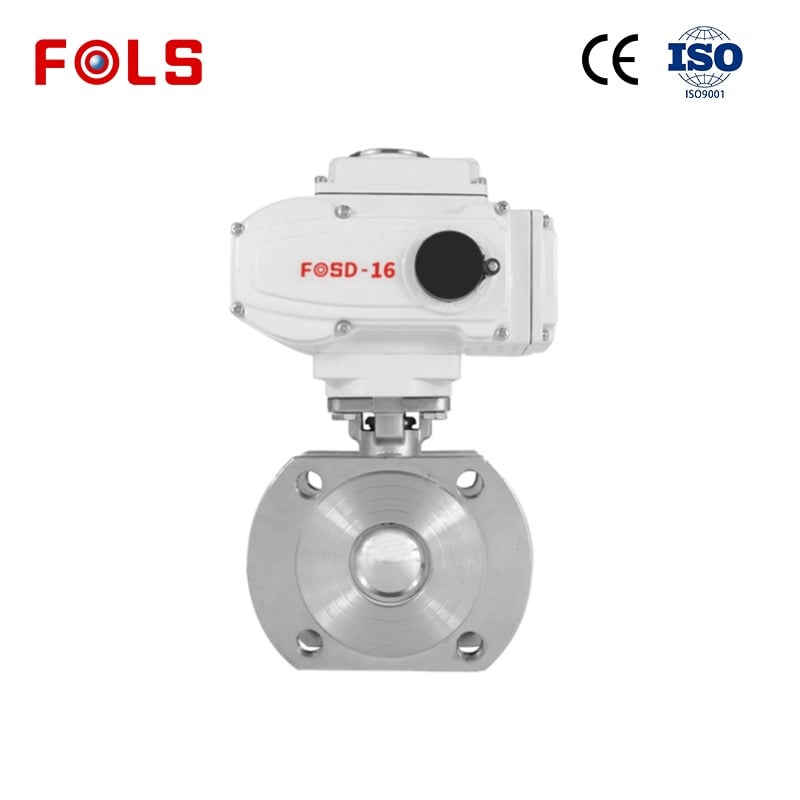
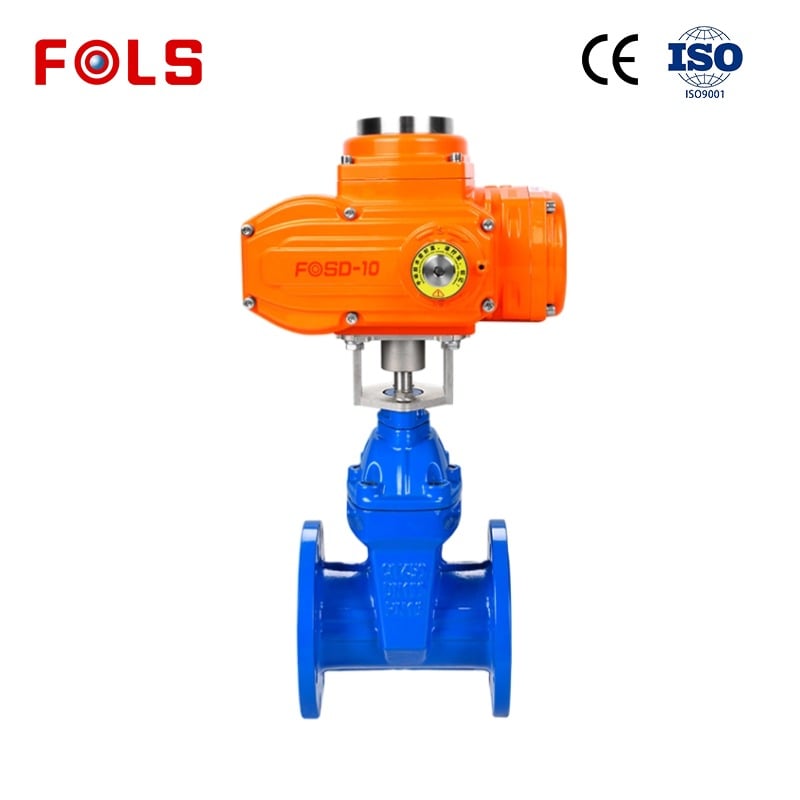
That advantage matters in chemical plants because isolation points are part of normal operations as well as maintenance planning. A compact quarter-turn motion can be paired with a lever, gear operator, pneumatic actuator, or electric actuator according to access, cycle frequency, and required response. Guangzhou Fols Valve Technology Co., Ltd. works in industrial valves and automation systems, so a project discussion can cover both the valve configuration and the desired actuation approach. The correct choice still depends on the project’s documented conditions.
Chemical compatibility is the first selection gate
A Ball Valve body material is only one part of chemical compatibility. The flowing medium contacts the ball and seats, while vapor, temperature cycling, and fugitive-emissions requirements may place separate demands on stem seals and packing. Do not begin by asking whether one valve material is generally better. Begin by recording the chemical name, concentration, impurities, operating temperature, pressure, and whether the line sees cleaning fluid, solvent, slurry, or gas.
For example, a buyer may consider stainless steel for a process line, while the seat and seal material require a separate compatibility review. Soft seats can offer tight shutoff in appropriate conditions, but their temperature and chemical limits must be checked. Metal-seated designs may be considered where service conditions call for them, yet they also need a complete leakage, torque, and maintenance review. More accurately, material selection is a system decision rather than a body-only decision.
For each proposed Ball Valve, request a data sheet that identifies the wetted materials and the specified temperature-pressure envelope. Then compare the configuration with the actual process medium, not only the material named in a preliminary inquiry. This is especially important when the chemical stream changes concentration or when startup, cleaning, and abnormal conditions differ from normal production.
Pressure, temperature, and line design change the answer
A Ball Valve must be evaluated at the combined pressure and temperature conditions of the installation. A pressure figure considered alone can be misleading because material ratings can change with temperature. Connection type, flange class or other applicable rating basis, pipe schedule, and installation loads also belong in the review. Parameters have value, but their relationship to the piping system and operating cycle has greater value.
Line size and differential pressure can also affect operating torque. On a larger or higher-pressure line, a trunnion mounted ball valve may be evaluated because its supported ball construction can reduce the effect of pressure-induced seating loads on operating torque. This does not make every trunnion-mounted design necessary. It means that size, pressure, seat design, and available actuator torque should be checked together before a configuration is selected.
Where a ball valve with drain adds practical value
A ball valve with drain can be useful when a trapped section needs controlled depressurization or draining before inspection, maintenance, or a changeover. The drain arrangement must be treated as part of the pressure boundary: its location, plug or secondary valve, discharge routing, materials, and operating procedure should all be specified. A ball valve with drain is not a substitute for a site isolation procedure, but it can make a planned maintenance sequence clearer when the process design supports its use.
Ask a practical question: after the main Ball Valve closes, where can retained process fluid sit? The answer may involve the valve cavity, downstream piping, or a dead-leg section. For hazardous service, the project team should define how residual fluid is contained and where it goes. This is a more useful starting point than adding a drain feature solely because it appears on an equipment list.
Choose the valve around the duty, not the keyword
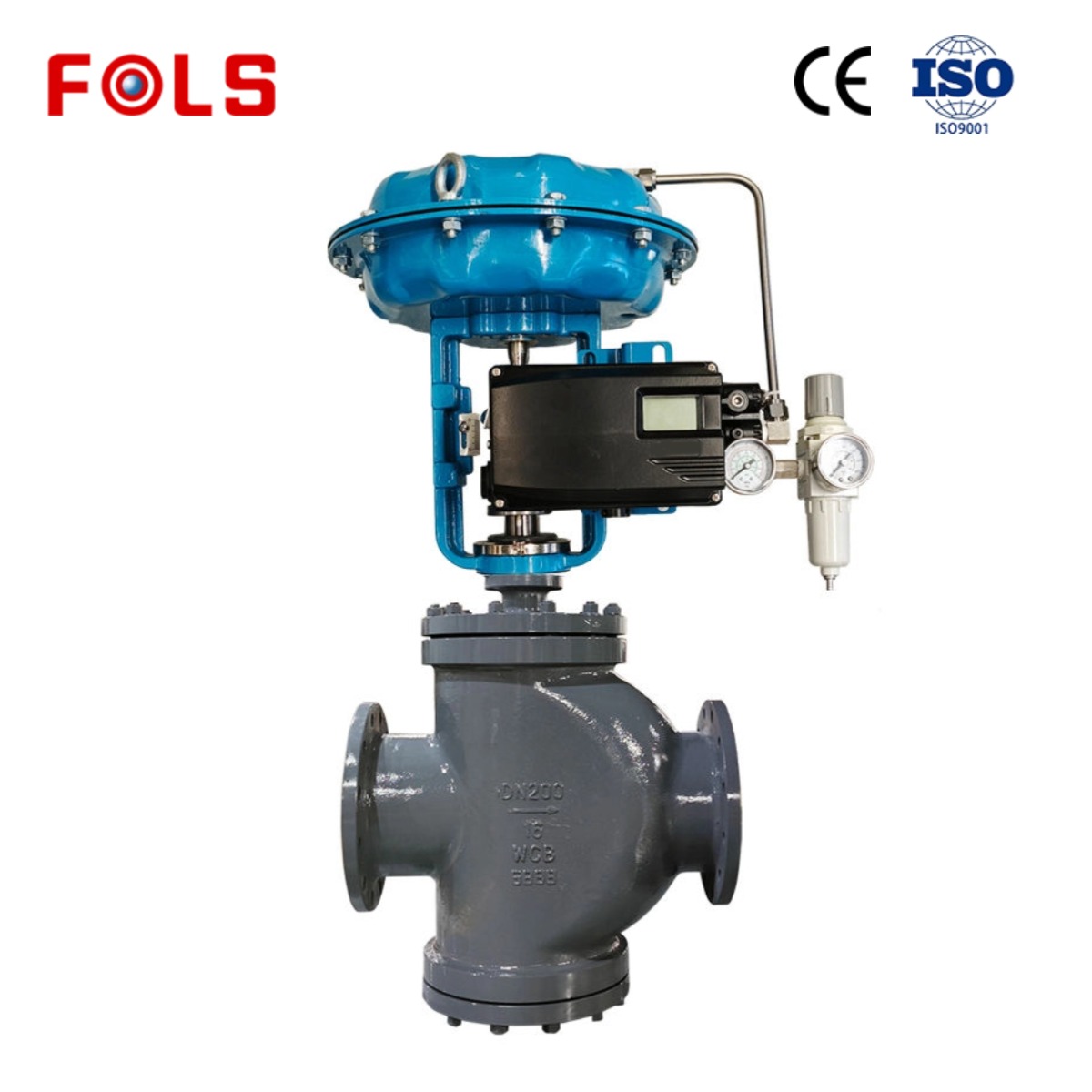
A Ball Valve is commonly selected for isolation; it is not automatically the right device for every continuous control or severe throttling duty. Repeated operation at partial opening can create noise, erosion, vibration, or unstable control in some services. If the process needs modulating control, define the required control characteristic, differential pressure, cycle count, fail position, and actuator signal before selecting the valve and actuator.
Similarly, a full-port Ball Valve may be relevant when the line needs a relatively unobstructed bore, while a reduced-port design may suit other duties. The selection should be linked to flow requirements, cleaning needs, pigging requirements where applicable, and allowable pressure loss. Avoid turning a general product feature into a universal requirement.
A chemical-process selection checklist
- Identify the medium, concentration, solids, vapor phase, and cleaning media.
- Confirm normal, startup, cleaning, and abnormal temperature-pressure conditions.
- Review body, ball, seat, seal, packing, and drain-component compatibility.
- Define whether the Ball Valve is for isolation, drain duty, emergency shutdown, or modulating service.
- Check end connection, line size, differential pressure, torque, and actuator sizing.
- For a trunnion mounted ball valve, verify that the line conditions justify the supported-ball configuration and selected actuator torque.
- For a ball valve with drain, document safe drainage routing and the operating sequence.
- Keep the final data sheet, material confirmations, and inspection requirements aligned with the project specification.
Conclusion
A Ball Valve is essential in chemical processing because it can provide direct, fast isolation within a configuration that can be adapted to the line’s materials, pressure, temperature, and automation needs. Its value is not in a generic claim; it is in disciplined matching. When the chemical medium, sealing system, operating duty, and maintenance method are confirmed together, the selected Ball Valve can support a more controlled and maintainable process line.
 Hot News