
 EN
Why Wafer Butterfly Valve Is Popular For Tight Spaces?
When a pump room is crowded, a valve can fit between two flanges and still be impossible to operate or remove. A wafer butterfly valve is often considered for these layouts because its body is relatively short along the pipe. That advantage matters, but the useful question is broader: can the whole assembly fit, move and be serviced in the available space?
From a valve application perspective, the answer starts with the pipe layout and the duty. The medium, pressure, temperature and required shutoff all matter alongside dimensions. Here is how to evaluate the space advantage without overlooking the details that determine whether a particular valve belongs in the line.
What makes a wafer body compact?
A wafer butterfly valve sits between mating pipe flanges. Bolts clamp the flange joint around the valve body, while a disc inside the flow passage rotates to regulate or stop flow. The body has a comparatively short face-to-face dimension, so it can be a practical candidate where a long valve body would disrupt a closely packed arrangement. The actual length depends on the valve size and design; request the dimensional drawing rather than assuming every wafer body is interchangeable.
Shorter body length can make it easier to plan a retrofit between existing equipment. It does not, by itself, reduce the clearance needed to spread flanges, insert the valve or draw out long bolts. Before ordering, check the flange drilling, pipe bore, sealing arrangement and the space available to assemble the joint. Follow the selected manufacturer's installation instructions for gasket and liner arrangements.
Space is three-dimensional, not just face-to-face
The body is only one part of a wafer butterfly valve assembly. A lever needs room to swing; a gearbox needs access to its handwheel; and an actuator requires its own envelope, connections and possible removal path. A valve mounted near a wall may fit on paper but leave an operator unable to reach the handle safely.
Ask for drawings of the valve with the intended operator, not just the bare body. Mark the travel of the lever or maintenance tools, the position of the stem and the space for electrical cables or air lines. If the pipe runs close to an obstruction, check the installation orientation permitted by the manufacturer before rotating the assembly for access.
Check disc movement inside the pipe
The disc can project beyond the valve body as it opens. Nearby bends, reducers, pipe linings, gasket bores or another component may interfere with its travel. Confirm clearance throughout the operating range against the actual adjacent components and the selected valve drawing. Do not rely on nominal pipe size alone: inside diameters and adjacent fittings vary.
Why can it suit a crowded retrofit?
Consider a hypothetical water-treatment skid with a short straight section between existing equipment and a wall close to the line. A wafer butterfly valve may fit the available face-to-face gap, provided the flange pattern, pipe bore and operating conditions match. The designer would then check whether bolts can be inserted, whether the operator clears the wall and whether the assembly can be removed during a shutdown.
This is an evaluation example, not a record of an installed project. The checks also apply to other services, though the result may differ. Abrasive solids, chemical compatibility, temperature changes and the required leakage performance can narrow the material or seat options. Obtain the manufacturer's documented limits for the exact configuration before specifying it.
Compare installation and maintenance trade-offs
A wafer butterfly valve typically relies on the two flanges to retain and seal the joint. This can be convenient in a compact line, but it makes the maintenance plan important. If the downstream pipe must be removed while the upstream side remains pressurized, do not assume the wafer arrangement can provide that service. Review the system isolation procedure and the valve's documented pressure and end-of-line ratings.
A lug-style butterfly valve is a different connection option. Some lug designs allow downstream removal under specified conditions, but this is not a blanket rating for every lug valve. Compare the manufacturer's instructions, actual flange arrangement and approved pressure limits. A compact body is helpful only if the piping team can install and maintain it using the site's safe work procedure.
How does it relate to a check valve or an actuator?
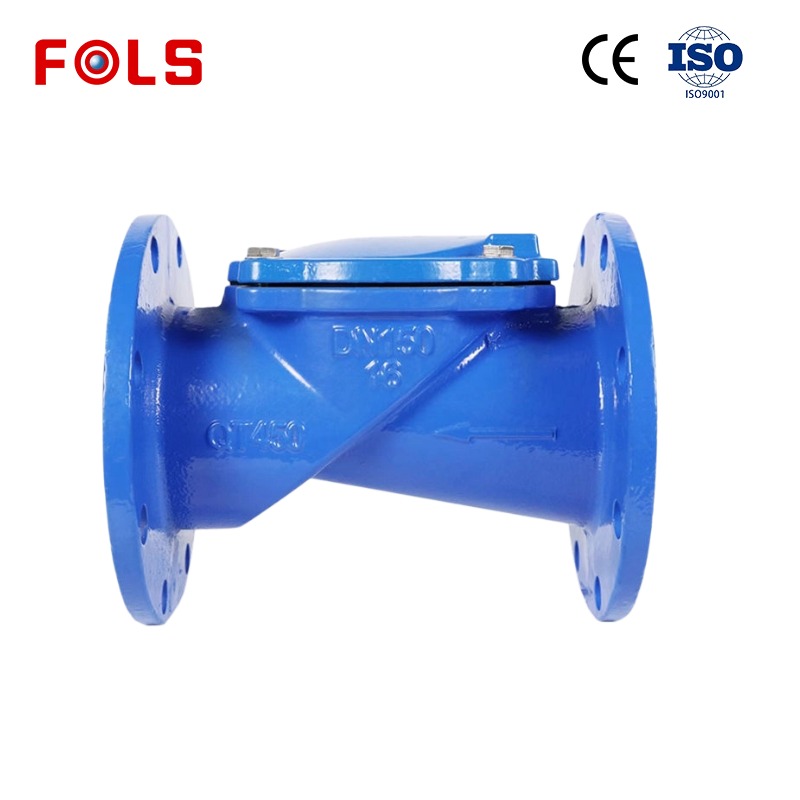
A disc check valve wafer type is a separate component used to restrict reverse flow; it is not a substitute for a manually or automatically operated isolation valve. If both are required near a pump, leave room for each device and verify that their discs and adjacent fittings do not interfere. Their installation orientation and distance requirements should come from their respective manufacturers.
Similarly, solenoid valve applications may involve directing a control signal to a pneumatic actuator rather than placing the solenoid in the main process line. The control components, tubing and actuator can add to the required envelope. Confirm the available air supply, control voltage, fail position and access for servicing with the system designer. The controls do not change the need to verify the valve's own pressure and media limits.
A practical selection checklist
Before choosing a wafer butterfly valve for a confined area, assemble the following information with the piping and maintenance teams:
- Operating duty: medium, pressure range, temperature range, flow direction and required isolation performance.
- Pipe connection: nominal size, flange standard and drilling, pipe inside diameter, lining and mating flange condition.
- Fit: valve face-to-face dimension, disc sweep, nearby fittings and clearance for joint assembly.
- Operation: lever, gearbox or actuator envelope, travel, control connections and safe access.
- Maintenance: bolt withdrawal space, flange separation, lifting access and a documented isolation plan.
- Materials and documentation: body, disc and seat compatibility, plus the drawings and ratings for the proposed configuration.
Send the available dimensions and operating conditions with the inquiry, and identify anything still unknown. A supplier can then check the proposed arrangement against the specific valve documentation instead of relying on a generic product name.
When is another arrangement worth considering?
If the operator cannot be reached, the disc fouls a fitting or the valve cannot be removed safely, the short body alone will not solve the layout. Repositioning the valve, changing the operator or evaluating a different connection may be more appropriate. Confirm any changes with the responsible engineer, especially where isolation or equipment access affects the whole system.
A wafer butterfly valve earns its place in a tight layout when the short body is matched by enough room to install, operate and maintain the complete assembly. Start with the available envelope and the service conditions, then verify the selected design before purchase.
 Hot News





