
 EN
What Makes Diaphragm Valve Unique In Processing?
A diaphragm valve uses a flexible membrane as both the moving closure and the barrier between process fluid and the operating mechanism. That combination changes what touches the fluid, how a line is isolated, and what maintenance teams must inspect. It can be useful in chemical, water treatment, and other processing duties, but the material and pressure limits matter just as much as the valve type.
For an application engineer, the practical question is not simply whether a diaphragm valve has a soft seal. It is whether the wetted materials, body geometry, actuator and replacement plan match the actual fluid and operating cycle. The following details help turn that question into a workable specification.
How a diaphragm valve controls the process stream
In a typical diaphragm valve, a handwheel or actuator moves a stem and compressor. The compressor presses a flexible diaphragm against a seating surface in the body, restricting the passage and eventually closing it. Lifting the mechanism allows the diaphragm to lift off the seat and the fluid to pass. Depending on the design, the seat may be a raised weir or a surface at the bottom of a straight-through body.
The membrane separates the fluid below it from the stem and operating parts above it. Unlike designs where a moving stem passes through the pressure boundary with packing, this arrangement avoids a conventional stem-packing junction in the process-fluid path. The body joints and diaphragm still need appropriate sealing and inspection; separation of the mechanism is not a promise that every assembly is leak-free.
Why the barrier matters in processing
The distinctive feature of a diaphragm valve is that its closure also forms the barrier protecting the mechanism. For an aggressive liquid, selecting compatible wetted surfaces can help shield the stem and actuator from direct chemical contact. For a clean process, the same separation reduces the number of operating components exposed to the product. Neither outcome replaces a review of the complete valve assembly or cleaning procedure.
A diaphragm valve can also simplify a maintenance discussion: the diaphragm is a defined wear component, and many designs allow it to be replaced. Replacement is not necessarily quick in every installation. Space above the valve, access to fasteners, isolation procedures, spare availability and the manufacturer's assembly instructions all affect the work.
Consider a chemical dosing line that changes concentration during a cleaning cycle. A material compatible with the normal solution may respond differently to the cleaning agent, temperature or exposure time. Specify both conditions before choosing a diaphragm valve; the nominal product name alone does not describe the full duty.
Body shape changes the trade-off
Weir style
A weir-style diaphragm valve closes against a raised section of the body. The flow path changes direction around that section, and the diaphragm need not travel as far as in some straight-through designs. It can be considered for isolation and, where the manufacturer supports it, flow adjustment. The restriction also affects pressure loss and drainage, so check the proposed orientation and the supplier's flow data rather than assuming the pipe will empty by itself.
Straight-through style
A straight-through diaphragm valve has a less obstructed passage when open, which can be useful when suspended solids or more viscous media are part of the duty. Its diaphragm typically needs more travel to reach the bottom of the body. Exact passage shape, ability to drain and suitability for solids depend on the construction and installation. Do not assume a straight-through body is automatically suitable for pigging or every slurry.
Materials are selected for the whole operating cycle
The process contacts the diaphragm and the body or lining, so each wetted surface needs review. Common diaphragm material families include EPDM and PTFE. A diaphragm valve using one of them is not automatically compatible with every chemical, concentration or temperature. Confirm material grades and any backing layer with the supplier, and assess the fluid mixture, cleaning agents, pressure, temperature and exposure time together.
Pressure and temperature ratings are linked to the particular body and diaphragm combination. A diaphragm valve that is acceptable at one temperature may have a different allowable pressure at another. Check the published rating for the exact assembly, including startup, washdown and upset conditions. If the line sees vacuum, ask specifically whether that configuration is rated for it.
Surface finish, connections and drainability may matter in hygienic work. A diaphragm valve can be part of a cleanable system, but its presence alone does not establish sanitary compliance. Verify the required documentation, installation angle, cleaning method and applicable local requirements for the complete process.
Actuation is a system decision
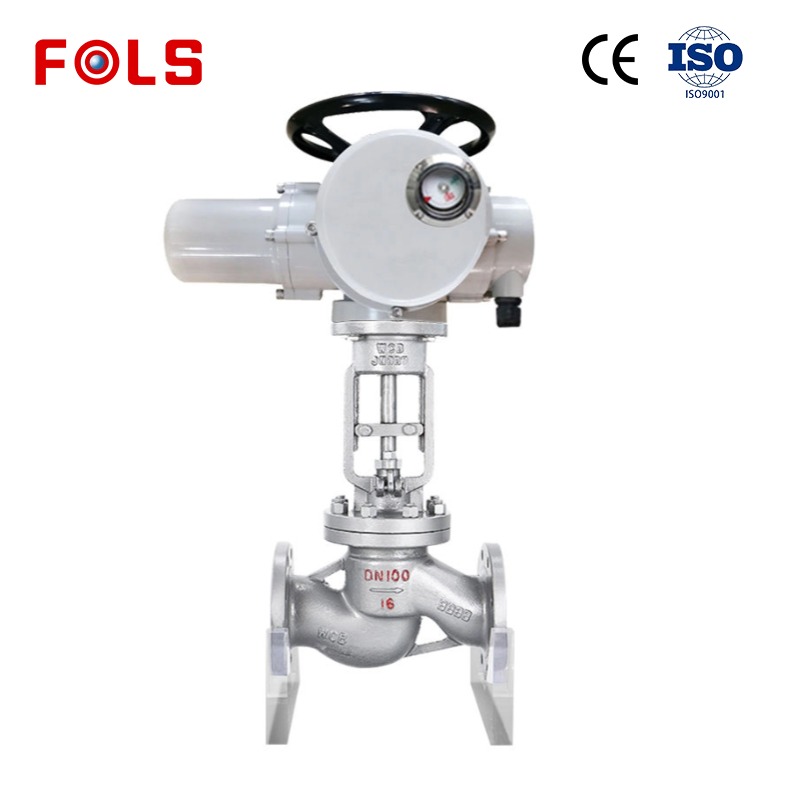
Manual operation may suit an infrequently operated isolation point with safe access. A pneumatic or electric actuator can support remote operation when its force, travel and control arrangement match the diaphragm valve. For a pneumatic unit, confirm the available air pressure and quality, response requirements and the required position if the air supply fails. A spring-return configuration and a double-acting configuration behave differently on loss of supply; check the selected actuator rather than assuming a fail position.
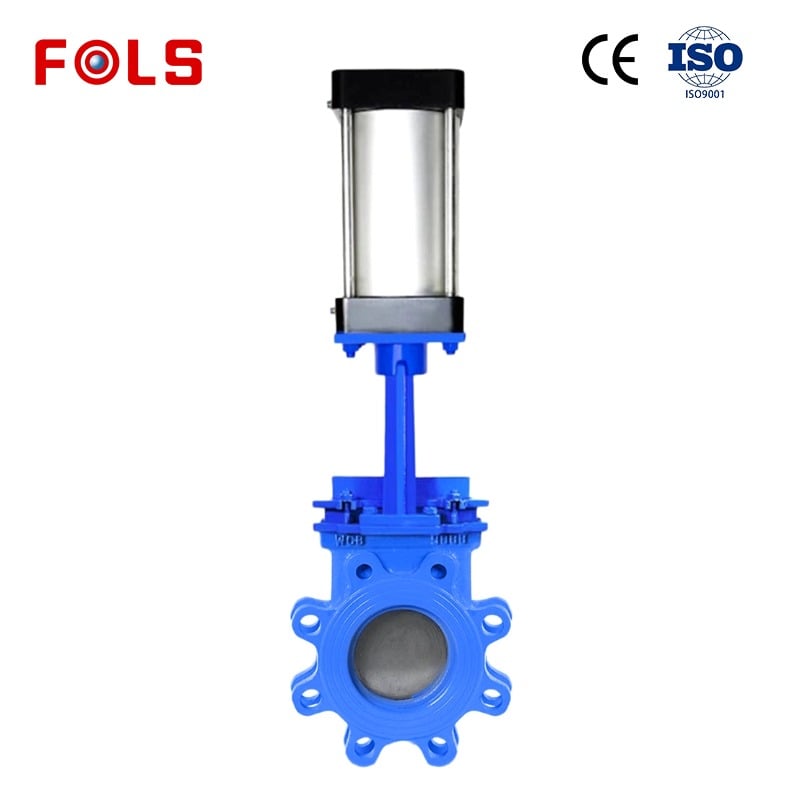
An air toggle valve may be used as a manual pneumatic signal device in an appropriate control circuit, but it is not the process isolation valve itself. Similarly, a pneumatic slide gate is generally associated with controlling the passage of bulk solids, not a direct substitute for a diaphragm valve in a liquid line. Where both types appear in a plant, define the medium and function of each device before connecting the controls.
What to check before specifying a diaphragm valve
- Fluid and cleaning media: Identify composition, concentration, solids, cleaning chemicals and exposure duration. Ask for compatibility information for every wetted material.
- Operating envelope: Record normal and maximum pressure and temperature, differential pressure, vacuum conditions and any expected transients. Compare these with the exact assembly's ratings.
- Flow and installation: State pipe size, connections, required flow, allowable pressure drop and mounting orientation. Verify drainage and access rather than relying on the body style alone.
- Control duty: Specify on/off or throttling service, operating frequency, desired response and the actuator's available power or air supply.
- Maintenance: Confirm replacement diaphragm availability, inspection intervals appropriate to the duty, isolation steps and the space needed to remove the bonnet.
When comparing quotations, keep these conditions consistent. A lower initial price does not describe the cost of a different lining, actuator, spare membrane or maintenance arrangement. Request the manufacturer's pressure-temperature information and installation guidance for the exact diaphragm valve configuration under consideration.
Where the design reaches its limits
A diaphragm valve is not a universal answer to difficult fluids. The membrane flexes during operation and can age or wear, with service life influenced by chemistry, temperature, differential pressure and cycling. Frequent throttling, abrasive particles or incorrect closing force may add stress. Inspect on a schedule based on the actual duty and follow the manufacturer's replacement and adjustment instructions.
High temperatures, high pressures or stringent control requirements can also call for another design. Rather than treating the diaphragm valve as inherently better than a ball, butterfly or gate valve, compare the documented limits, shutoff requirement, flow behavior and maintenance access for the same line conditions.
Making the choice
The reason a diaphragm valve stands apart is the combination of a flexible closure and a barrier between the process and the operating mechanism. Its value depends on choosing a compatible diaphragm and body, confirming ratings and planning for inspection. Start with the fluid and the complete operating cycle, then select the body and actuator that fit those conditions. For broader information about industrial valve and automation applications, visit FOLS Valve.
 Hot News





