
 EN
Flanged Ball Valve Applications In Petrochemical Plants
Petrochemical isolation is a system decision, not simply a choice of valve shape. A flanged ball valve can provide quarter-turn on/off control and a detachable connection at a pump, vessel, or process line. Whether it belongs at a particular point depends on the fluid, pressure and temperature envelope, allowable leakage, and how the plant will operate and maintain it.
For an application engineer, the useful starting point is a line list and an isolation objective. Is the valve intended for routine changeover, equipment maintenance, or an engineered shutdown function? The answer changes the information needed in the specification and the checks that follow installation.
Where a flanged ball valve fits in the plant
Feed and product transfer
A flanged ball valve may be considered for isolating hydrocarbon feed lines and product transfer sections when its materials and pressure-temperature limits match the service. Its quarter-turn motion is convenient for on/off duties, and a flanged joint allows the assembly to be removed without cutting the adjacent pipe. That does not make removal a simple task: residual fluid, line loads, lifting space, and the site's isolation procedure still govern the work.
For a transfer line, define the normal and maximum flow, operating and design pressures, temperature range, and any expected solids. A full-bore option may be worth reviewing when pressure drop or passage of cleaning equipment matters. Confirm the actual bore and equipment passage with the manufacturer rather than assuming every flanged ball valve has the same internal diameter as the pipe.
Pump and equipment isolation
On a pump suction or discharge line, a flanged ball valve can be part of the isolation arrangement for maintenance. Check accessibility, support, clearance for a handle or actuator, and the effect of the valve's installed length on the piping layout. A closed valve alone is not necessarily an adequate personnel-protection boundary. The plant's approved isolation plan may call for additional barriers, draining, verification, or a physical break depending on the hazard.
Equipment connections can also see vibration, thermal movement, and misalignment. Align the pipework before tightening the joint; do not use the flange bolts to pull an offset line into place. A suitable flanged ball valve should be reviewed together with the pipe supports and gasket, not treated as a remedy for poor alignment.
Tank farms and utility connections
Tank farm manifolds often need repeatable line-up changes between storage and transfer equipment. A flanged ball valve can serve a selected on/off position when the design conditions and operating procedures permit it. Document the required valve position, identify the line clearly, and check whether access remains safe when the area is congested or exposed to weather.
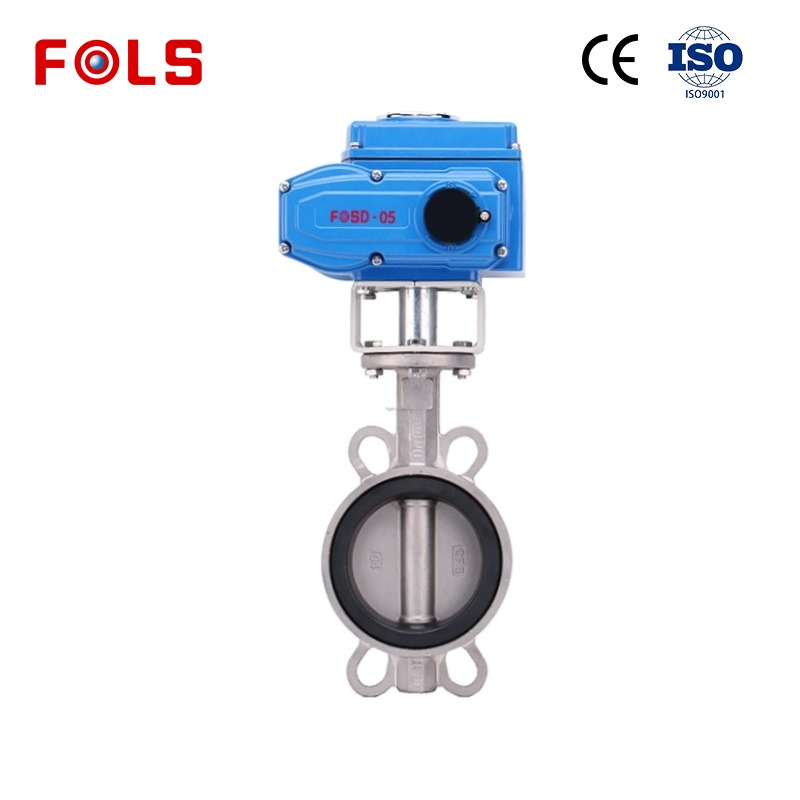
Utility selection requires a separate service review. A butterfly valve for chilled water system duties may be considered on a water circuit, but that choice does not establish suitability for hydrocarbons. Likewise, a valve for drinking water must be assessed against the applicable potable-water requirements and component approvals in its destination. Neither utility example substitutes for the process-line specification.
Match the valve to the actual service
Fluid, seats, and temperature
List the fluid composition, concentration, contaminants, and cleaning chemicals for each flanged ball valve. Body material alone is not enough: the ball, stem, seats, seals, gasket, and bolting can all encounter service conditions. Review chemical compatibility and the entire temperature range, including startup, shutdown, and upset conditions, with the component supplier and the plant's materials specialists.
Soft seats and metal seats have different operating and leakage characteristics. A seat selection should reflect temperature, differential pressure, cycling, and the required shutoff performance. Solids or crystallizing media can change the maintenance picture; ask how deposits are managed and whether the proposed construction is appropriate. Avoid selecting by a single catalog temperature or pressure value without the corresponding fluid and operating conditions.
Pressure class and flange connection
Specify the nominal size, flange standard, facing, pressure class, face-to-face dimension, gasket, and bolting requirements for the flanged ball valve. ASME B16.5 covers pipe flanges and flanged fittings from NPS 1/2 through NPS 24. Its pressure-temperature ratings depend on the applicable material and temperature; a class designation is not a fixed working pressure at every temperature.
The flange rating is only one limit. Confirm the complete valve assembly, including the body, seats, seals, and any actuator, against the required service envelope and the project's governing specifications. Match both mating faces and joint components, and follow the site's approved assembly and tightening procedure. An apparently compatible bolt pattern is not a substitute for an engineering review.
Operation, isolation, and emissions
A flanged ball valve is commonly selected for on/off isolation. If a line must modulate flow, assess whether the proposed valve and trim are designed for that control duty; a partly open isolation valve is not automatically an appropriate control valve. Consider differential pressure, torque, cycle frequency, and the upstream and downstream conditions when deciding between manual, pneumatic, or electric operation.
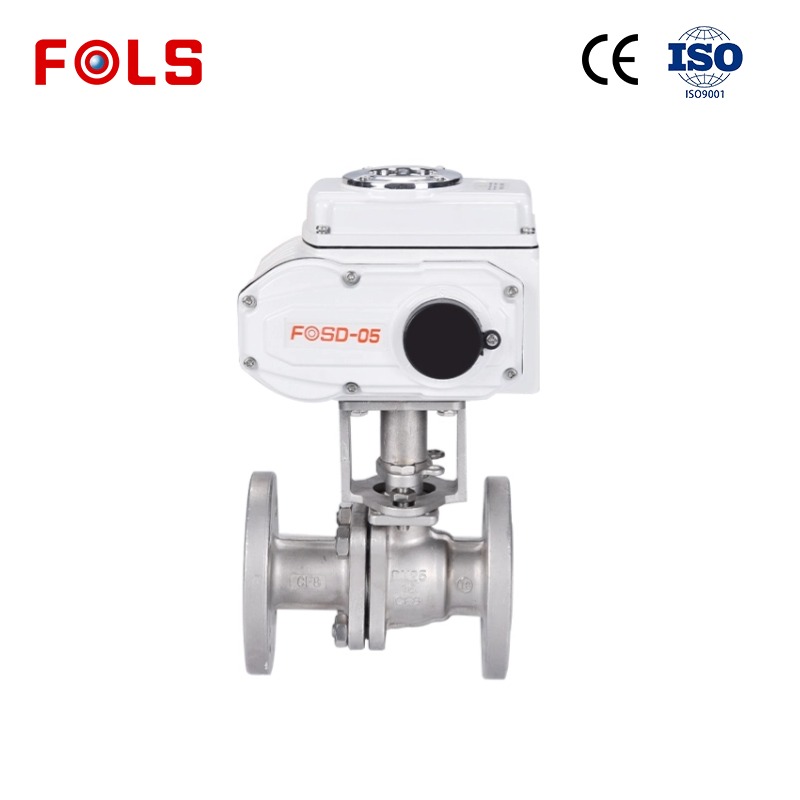
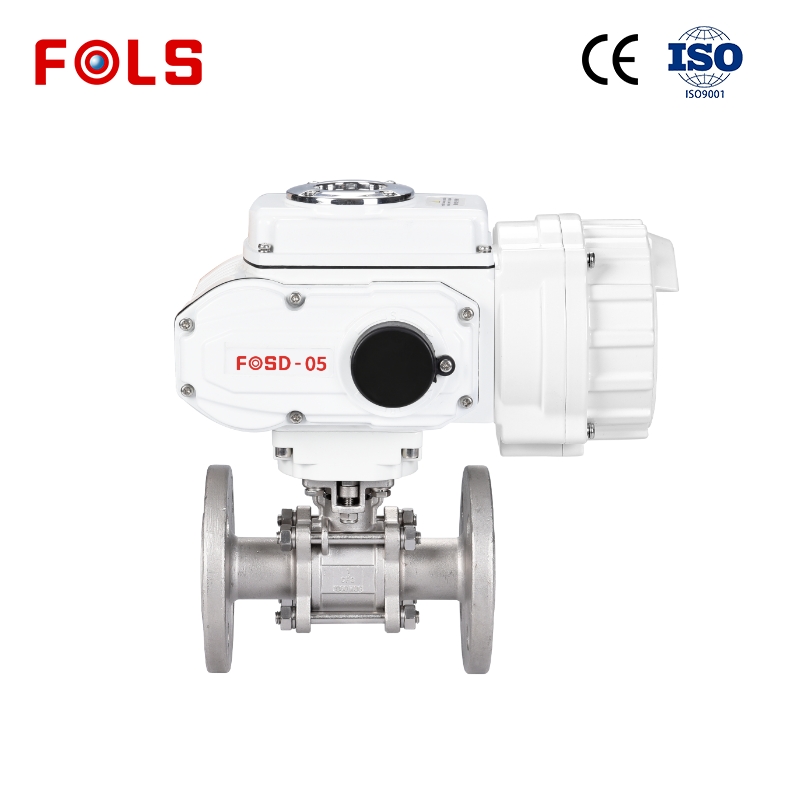
For an actuated flanged ball valve, state the required fail position, available power or instrument air, closing time, position indication, and any interlocks. Size the actuator for the specified operating conditions and the manufacturer's torque data, including the relevant design margin. If the valve is part of an emergency shutdown system, the complete safety function requires separate assessment, testing, and approval under the site's applicable rules.
Stem packing and flange joints deserve attention where volatile fluids are present. The applicable leak-detection program depends on the facility, jurisdiction, and equipment. In the United States, for example, certain synthetic organic chemical manufacturing facilities are subject to equipment-leak provisions in 40 CFR Part 60; applicability and exceptions must be checked for the individual unit. Ask for any required fugitive-emission test documentation rather than assuming a flanged ball valve meets an unstated limit.
What to verify before procurement
Before requesting a quotation, assemble a concise service sheet. This lets engineering, operations, and purchasing compare the same duty rather than comparing incomplete price quotations for unlike assemblies.
- Record the fluid, phase, contaminants, normal and design pressure, and the full temperature range.
- Identify pipe size, flange standard and facing, pressure class, available face-to-face space, and gasket requirements.
- Specify on/off or control duty, expected cycling, leakage acceptance, and any required isolation arrangement.
- State seat and seal compatibility needs, fire-test requirements, emissions documentation, and inspection records when applicable.
- Describe manual or actuator operation, fail position, utilities, indication, access, and the required handover documents.
Where a project requires a fire-tested design, request evidence for the exact valve configuration and the specified test standard. API 607 describes a fire-test method for applicable quarter-turn valves and valves equipped with nonmetallic seats; it does not establish that every flanged ball valve has passed that test. Obtain the report and confirm its scope with the responsible engineer.
Plan installation and maintenance together
Before work begins, follow site procedures to isolate, depressurize, drain, and verify the line. Confirm the valve orientation and actuator clearance, inspect the mating faces, and use the specified gasket and fasteners. After installation, perform the inspections and tests required by the plant's procedure. A flanged ball valve provides a removable joint, but the joint adds sealing surfaces that must be assembled and inspected correctly.
During operation, monitor leakage and cycling behavior under the site's maintenance program. If operating torque changes or leakage appears, investigate the cause before adjusting or replacing components. For a replacement, retain the original service sheet and record any change in process conditions; a direct dimensional fit does not prove that the new assembly is suitable for the duty.
FOLS Valve works with industrial valve and automation applications. For a project discussion, provide the service conditions and the required documents so the proposed flanged ball valve configuration can be evaluated against the actual line rather than a generic catalog description.
 Hot News





