
 EN
How To Choose Butterfly Valve For Engineering Projects
A butterfly valve can look straightforward on a piping diagram: a disc rotates to control flow. The difficult part is specifying the assembly that will seal, move and fit under the actual conditions. A water line, a slurry line and a chemical process may all use the same nominal pipe size but need different seats, discs, actuators and testing.
Start with a project duty sheet rather than a catalog price. From an application engineering perspective, the useful question is not simply which butterfly valve is available, but how the medium, pressure, temperature and control system interact. The following steps turn those inputs into a specification that a supplier can check.
Define the duty before choosing a valve
Record the fluid composition, concentration and any suspended solids. Include normal, minimum and maximum temperatures, as well as operating, design and test pressures. Ask the process engineer for the maximum differential pressure across the butterfly valve during opening and closing; line pressure alone does not describe that load. Note vacuum, pressure reversals, cleaning chemicals and expected cycles where relevant.
Then state the job. Is the butterfly valve intended for isolation, occasional balancing or continuous modulation? Specify acceptable seat leakage and the test method required by the project. A valve selected for intermittent shut-off should not automatically be treated as a precision control device. For throttling, ask for the flow characteristics and operating range of the proposed assembly, and evaluate noise, cavitation and pressure drop for the actual fluid.
Match the disc and seat to the medium
Every wetted part matters: identify the body lining, disc, shaft exposure, seat and seals, not just the body material. A resilient-seated butterfly valve may be a candidate for suitable water service, while other temperatures, chemicals or leakage requirements can lead the engineer to consider different seat and disc constructions. Compatibility depends on concentration, temperature, exposure time and the manufacturer's material data.
For abrasive or solids-bearing service, discuss wear, deposits and cleaning access. For corrosive media, ask for a compatibility review covering every wetted component. If the duty includes drinking water, food contact or a hazardous fluid, specify the applicable approvals and documentation in the purchase request; do not assume a butterfly valve has them because a material name sounds familiar.
Choose the body and connection for the pipework
Wafer, lug and flanged bodies solve different installation problems. A wafer butterfly valve is clamped between flanges; a lug style uses threaded lugs, while a double-flanged body has its own flange connections. Compare the supplier's dimensions with the piping layout, flange standard, bolt pattern, face-to-face space and gasket arrangement. Disc clearance inside adjacent pipe, fittings and lined flanges also needs checking throughout travel.
Do not assume that any lug butterfly valve can safely act as a dead-end isolation point. If one side of the line must be removed while the other remains pressurized, request the manufacturer's written rating and installation conditions for that exact configuration. Include pipe supports, actuator clearance and the space needed to inspect or remove the assembly.
Confirm pressure, temperature and leakage together
A pressure class or nominal size on its own is not a complete operating limit. Verify the pressure-temperature rating for the specified butterfly valve body, seat and other pressure-containing parts against the full duty envelope. Ask whether the limit changes with temperature, flow direction or end-of-line service. State the required shell and seat tests and the acceptance criteria in the purchase specification.
API 609 is one standard covering double-flanged, lug and wafer butterfly valves. Whether it applies, which edition is required and what additional piping or inspection rules govern the project must be decided by the project engineer. Request the relevant product documents; mentioning a standard is not proof that a particular butterfly valve meets it.
Size the actuator from the actual torque demand
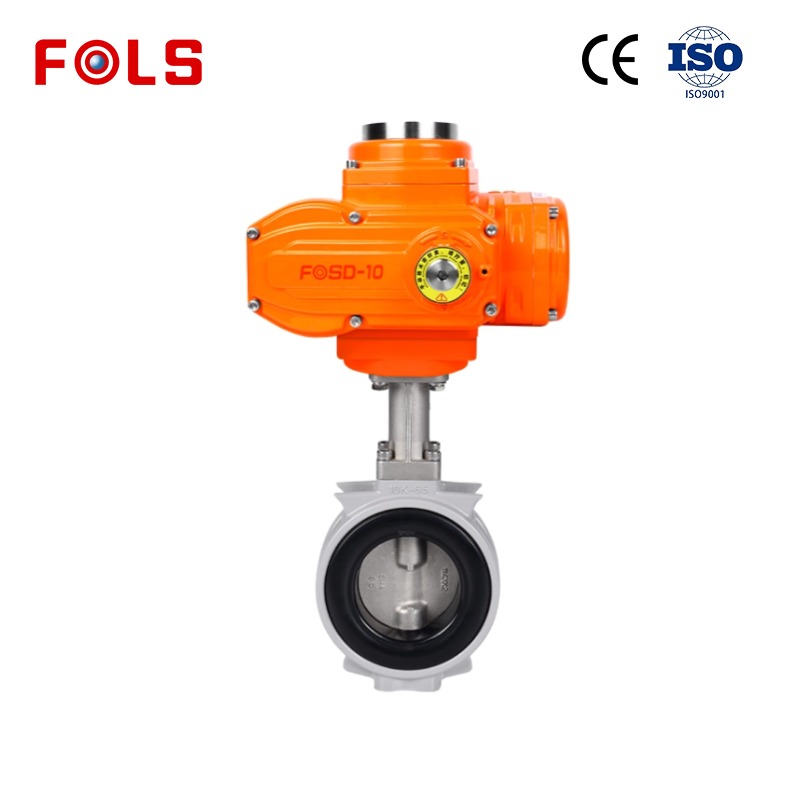
A manual handle or gearbox may suit an accessible valve that moves infrequently. An electric or pneumatic butterfly valve assembly may be more appropriate when remote operation, frequent cycles or a defined response to a utility failure is needed. Compare the whole system: available electricity or instrument air, ambient conditions, controls, maintenance and the position required after power or air is lost.
Do not size an actuator from pipe diameter alone. Request the butterfly valve manufacturer's opening, running and closing torque data for the exact size, seat, medium, temperature, flow direction and maximum differential pressure. Compare the highest demand over the stroke with actuator output at the actual supply conditions, including spring return where specified. Apply the project's approved margin, and check that the valve shaft and mounting connection can accept the selected output.
Where do solenoids and lift actuators fit?
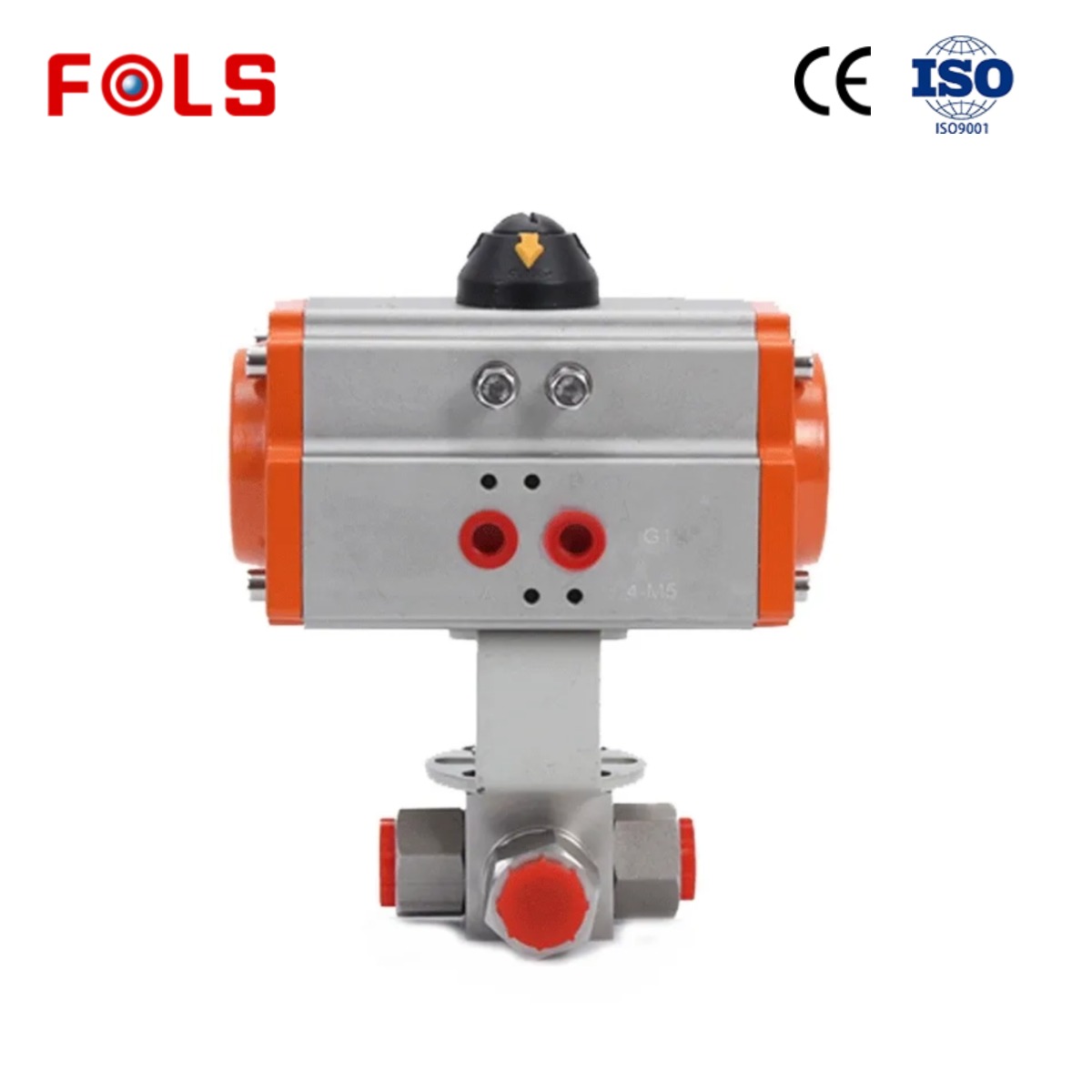
Teams sometimes ask, “what is a solenoid valve” when planning pneumatic controls. It is an electrically operated valve that directs or stops fluid; in a pneumatic package it may switch the air feeding an actuator. It does not replace the main butterfly valve or establish the assembly's torque rating. Confirm coil voltage, air connections and the intended response to signal loss.
The term lift actuator often refers to a linear-motion device. A conventional butterfly valve uses quarter-turn motion, so a linear actuator is not a direct substitute unless a suitable linkage or mechanism is specified and verified. Check the motion, output, mounting and travel before comparing devices with similar names.
Compare installation and lifetime work, not just price
For each candidate butterfly valve, ask who will install it, how it will be commissioned and what maintenance access remains after insulation and nearby equipment are in place. Check the direction and orientation allowed by the supplier, disc clearance, flange alignment and the procedure for adjusting travel stops. Consider spare seats, seals and actuator components, as well as the downtime needed to replace them.
In a wastewater project, for example, record whether solids settle during shutdown and whether the valve will be cycled after long idle periods. This is a hypothetical planning scenario, not a performance claim. The supplier can then review seating and operating torque against the documented duty rather than quoting an unspecified butterfly valve.
Send a useful request for quotation
A complete request makes competing butterfly valve proposals easier to compare. Include the following information and mark any unknown values for the process engineer to confirm.
- Medium, concentration, solids, normal and extreme temperature, design pressure and maximum differential pressure.
- Pipe size, flange standard, face-to-face space, flow direction and any dead-end requirement.
- Isolation or modulation duty, cycle frequency, leakage criteria and required test documentation.
- Preferred wetted materials, cleaning conditions and applicable project standards or approvals.
- Manual, electric or pneumatic operation; utility supply, fail position, control signal and feedback.
- Installation orientation, available clearance, spares and commissioning requirements.
Ask each supplier to identify assumptions and provide the pressure-temperature limits, torque basis, dimensional drawing and test documentation for the proposed butterfly valve. Resolve differences before ordering, particularly when a supplier qualifies a rating or needs missing duty data.
Make the final selection a documented decision
A sound butterfly valve choice ties the process duty to the seat and body, then ties the valve torque to a verified actuator. Compare candidates against the same conditions, obtain evidence for the stated limits and keep unresolved items visible. FOLS Valve's stated focus includes industrial valves and automation systems; a project team can use that scope to discuss the valve and control connection while confirming the specific configuration and documentation separately.
 Hot News





