
 EN
Manual Ball Valve Applications In Commercial Buildings
A failed component on one floor need not mean shutting water off to an entire building. A manual ball valve placed at a practical isolation point can help a facilities team separate a branch or piece of equipment from the rest of a system. Its suitability depends on the fluid, operating pressure and temperature, local requirements, and the ability to reach and operate the handle.
For building managers and project engineers, the question is not simply where a valve will fit. It is which services must stay available while a repair takes place, and whether the proposed isolation arrangement can be operated safely. The examples below describe possible applications, not documented projects.
How a manual ball valve supports isolation
A typical two-way ball valve has a bored ball inside its body. Turning the handle through a quarter turn moves the bore between the open and closed positions. Verify the position using the markings and the manufacturer's instructions; handle orientation alone should not be treated as proof that a line is safe to open.
In many installations the manual ball valve is used for on-off isolation rather than continuous flow adjustment. A partially open ball valve may be unsuitable for sustained throttling unless the manufacturer approves it for that duty. For controlled flow, consider a valve designed for regulation and confirm the selection with the system designer.
Where commercial buildings may use them
Domestic water branches and fixtures
A manual ball valve on a water branch can allow a team to isolate an area serving washrooms, a tenant space, or an equipment room. The isolation boundary should be shown on the building's valve schedule so staff know which users will be affected. Place the valve where it remains accessible after ceilings, walls, and finishes are installed.
For drinking water, check the exact valve's materials, approvals, and applicable local requirements. NSF/ANSI 61 addresses health effects for drinking-water system components, but mentioning the standard does not establish that a particular valve is certified. Request the relevant product documentation and verify any other requirements for the jurisdiction.
Heating and chilled-water circuits
In a hydronic loop, a manual ball valve may isolate a coil, pump section, or branch for maintenance. The arrangement must also account for a safe way to drain or otherwise relieve the isolated section. A closed valve on one side of a component does not automatically isolate the other side, and an isolated loop can retain pressure or hot fluid.
Check the valve body and seat against the actual fluid mixture, maximum operating temperature, and pressure range. Glycol concentration, water-treatment chemicals, and thermal expansion all deserve review. A valve in a cramped ceiling void is of little use if the handle cannot turn or technicians cannot reach nearby connections.
Equipment rooms and ancillary utilities
A manual ball valve can be considered at suitable equipment connections where local operation and isolation are required. For example, a maintenance team planning work on a water-fed appliance may want to isolate its supply without affecting adjacent services. Confirm that the valve rating, joining method, and location match the appliance and the building's piping specification.
Other media require separate evaluation. Do not assume a valve selected for water is acceptable for compressed air, gas, steam, chemicals, or fire protection. Each service may have different materials, approvals, operating procedures, and regulatory obligations. Fire protection and gas work, in particular, should follow the applicable design, authority, and qualified-person requirements.
Choose the isolation point before the valve
Start with a marked-up system drawing. Identify the equipment to be serviced, the upstream and downstream isolation needed, and any alternate paths that could continue feeding the section. Then assess the effects on occupants and other equipment. A manual ball valve at an accessible branch may limit disruption, but only if the system layout actually supports that isolation boundary.
Next, compare connection size and type, body and seat materials, pressure-temperature ratings, port configuration, and the expected operating frequency. Full-port and reduced-port options have different flow openings; the effect on the system should be evaluated rather than assumed. Specify enough clearance for the handle's full travel and consider a lockable handle when the site's isolation procedure requires it.
In a hypothetical office renovation, a team may add an isolation valve to a branch feeding a kitchenette. Before ordering, the engineer checks the pipe material, connection, potable-water documentation, ceiling access, and other outlets on that branch. The valve is only one part of the plan: the team must also identify the upstream source and a safe method to verify isolation.
Ball valves and other building valve choices
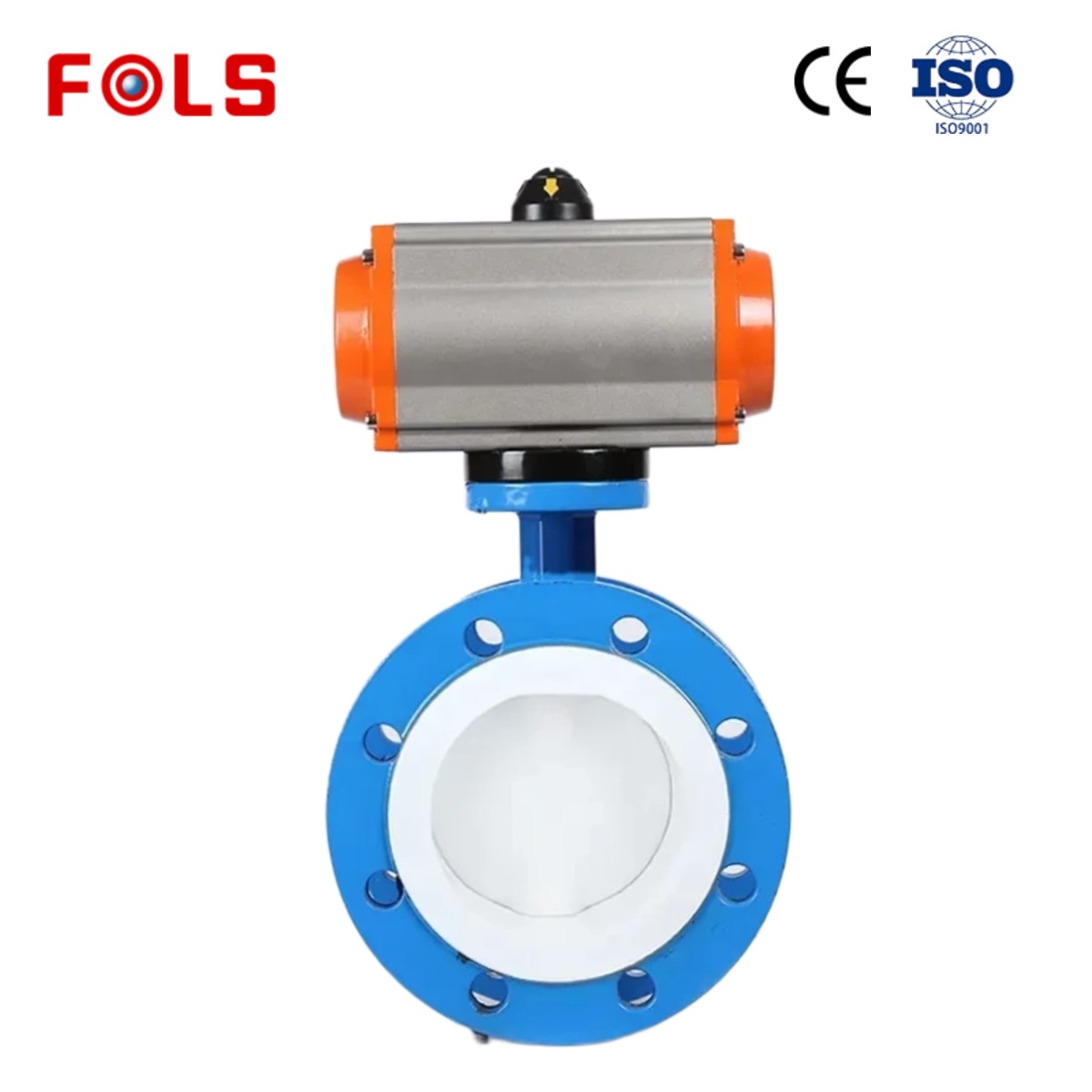
A manual ball valve is not interchangeable with every valve in a building. A butterfly valve uses a rotating disc and may be evaluated for larger lines or particular space constraints; the choice depends on the specific design and duty. A cpvc butterfly valve is a separate material and valve configuration, so its compatibility, temperature limits, pressure rating, and approved joining method must be checked against the intended system. Do not infer that a plastic butterfly valve suits a service merely because the pipe is plastic.
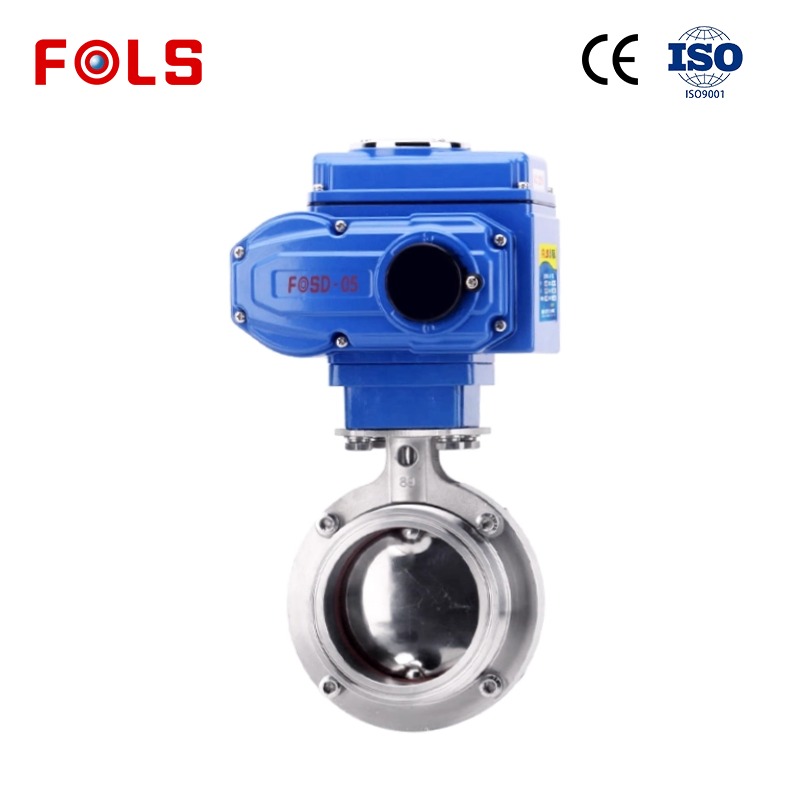
Similarly, hygienic butterfly valves may be considered where a process specification calls for suitable cleanability and product-contact construction. They are not a substitute for ordinary building isolation by name alone. Ask for the exact surface, sealing, cleaning, and compliance documentation required by the process. For either valve family, compare the actual manufacturer's data and the building's installation constraints.
Installation and day-to-day operation
Use the manufacturer's instructions and the project's approved procedures for installation, testing, and operation. Support the pipe as specified, protect the valve from undue loads, and use compatible connections and joining practices. Label each manual ball valve with its service and isolation zone, and keep the valve schedule consistent with the as-built layout.
Opening or closing a valve abruptly can contribute to pressure transients in a flowing liquid system. Operate it in accordance with the site procedure and account for the system's sensitivity to hydraulic pressure surges. After any work, restore the service in a controlled sequence and inspect for leakage under the approved test conditions.
Before maintenance, authorized personnel should identify all energy and fluid sources, isolate and secure the relevant equipment, release stored pressure, and verify the safe condition using the site's documented procedure. A closed manual ball valve is not, by itself, proof of zero pressure or a substitute for a complete isolation plan. Escalate a stiff handle, leakage, or uncertain position rather than forcing the valve.
A practical specification checklist
- Identify the fluid, additives, and whether the line carries drinking water.
- Record design and operating pressures and temperatures, including abnormal conditions.
- Confirm pipe size, connection type, valve port, and material compatibility.
- Document the isolation boundary, access, handle clearance, and drain or vent arrangements.
- Check local rules and obtain product-specific ratings, approvals, and installation instructions.
- Plan labeling, inspection, isolation verification, and a controlled return to service.
FOLS Valve works in industrial valves and control systems. For a commercial building inquiry, provide the service conditions and proposed isolation arrangement so the valve type and any automation requirements can be discussed against the project specification.
 Hot News





