
 EN
Globe Valve Market Direction And Technical Trends
A globe valve is often considered when a pipeline needs controlled flow as well as isolation. For an application engineer, the useful question is not simply whether demand is rising: it is which operating conditions are shaping the next purchase. Water infrastructure, chemical processing, energy systems and maintenance programs all create different requirements for a globe valve. Comparing those requirements early can reveal why control capability, service access and actuator integration matter alongside the initial price.
Where demand is taking shape
Published market research groups globe valve applications across water and wastewater, oil and gas, chemicals and power. These segments should not be treated as a single market. A water utility replacing an aging control point may value accessible maintenance and dependable positioning; a chemical facility may place greater emphasis on material compatibility and containment. Project timing, procurement practices and local specifications also vary by region.
For purchasing teams, the decision is not necessarily a choice between a standard unit and an advanced one. A manually operated globe valve can make sense at an infrequently adjusted point, while a modulating assembly may be justified where the process requires repeated changes. A sound market outlook therefore starts with the application mix, rather than a single growth forecast. Figures from different studies can use different product boundaries, so comparing estimates without checking their scope can be misleading.
Control performance and pressure loss
Inside a globe valve, a movable plug approaches or withdraws from a seat to change the flow passage. This arrangement supports throttling, but the flow path can also create pressure loss. The consequences depend on the actual valve geometry, degree of opening, fluid and operating conditions. A globe valve should be evaluated as part of the circuit, not specified by pipe size alone. For a related explanation, see how globe valves provide throttle control.
Start with minimum, normal and maximum flow, upstream and downstream pressure, fluid temperature and properties. Then ask how the globe valve will behave across that range, including startup and low-flow conditions. IEC 60534-2-1:2011 sets out sizing equations for fluid flow under installed conditions for industrial-process control valves. It is a useful reference for the sizing discussion, not proof that a particular globe valve or installation conforms to the standard.
For liquid service, a large pressure drop can create cavitation or flashing under some conditions. Staged pressure reduction and suitable trim designs are among the approaches used to manage demanding service. Neither is a universal solution: the supplier should assess the fluid, pressure recovery and expected operating range before selecting a globe valve. Noise, vibration and erosion concerns deserve attention during the same review.
Automation moves the conversation beyond the body
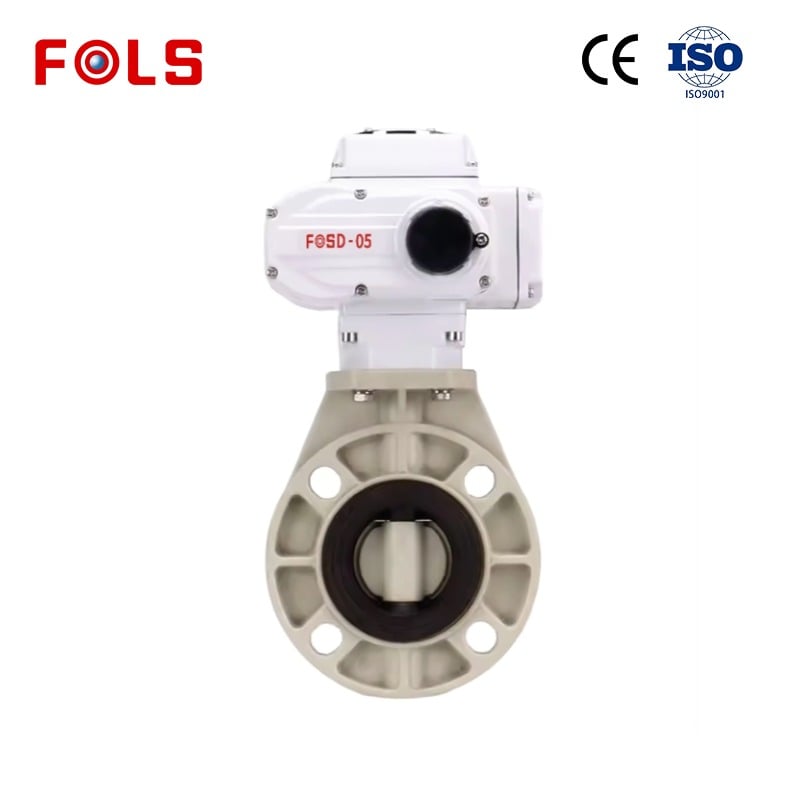
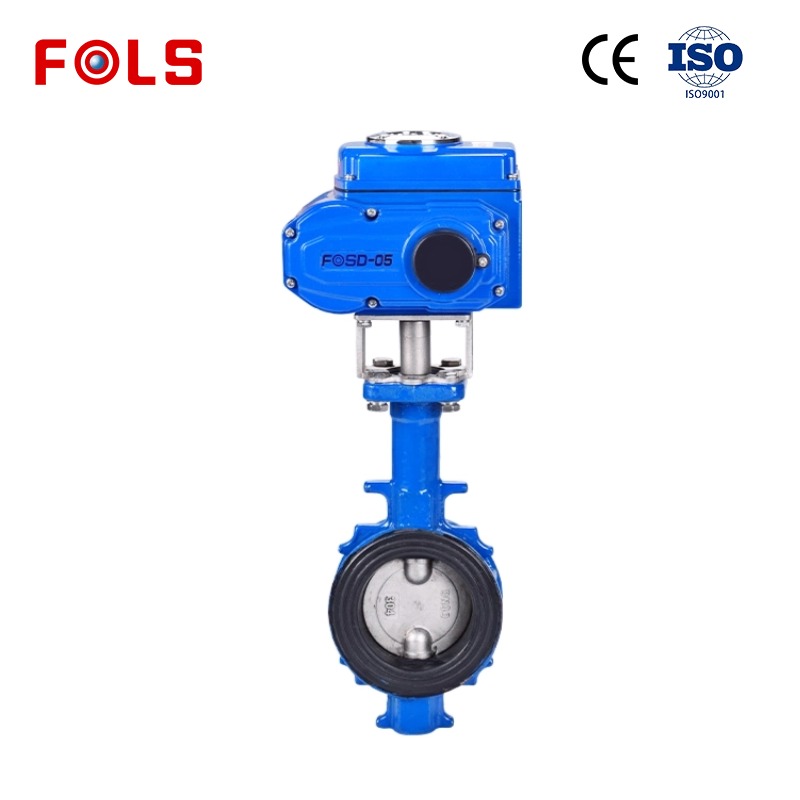
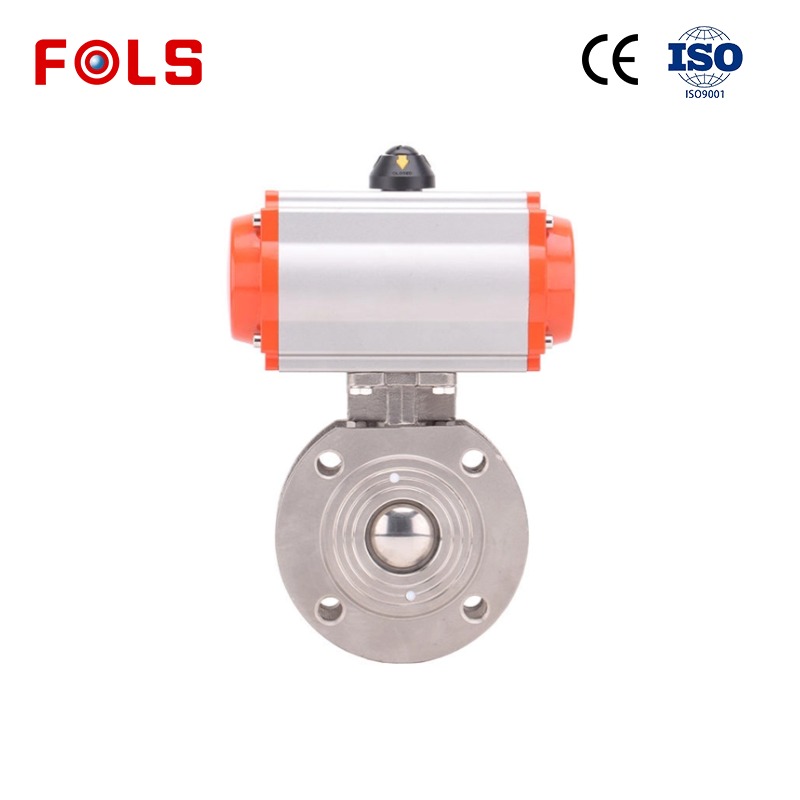
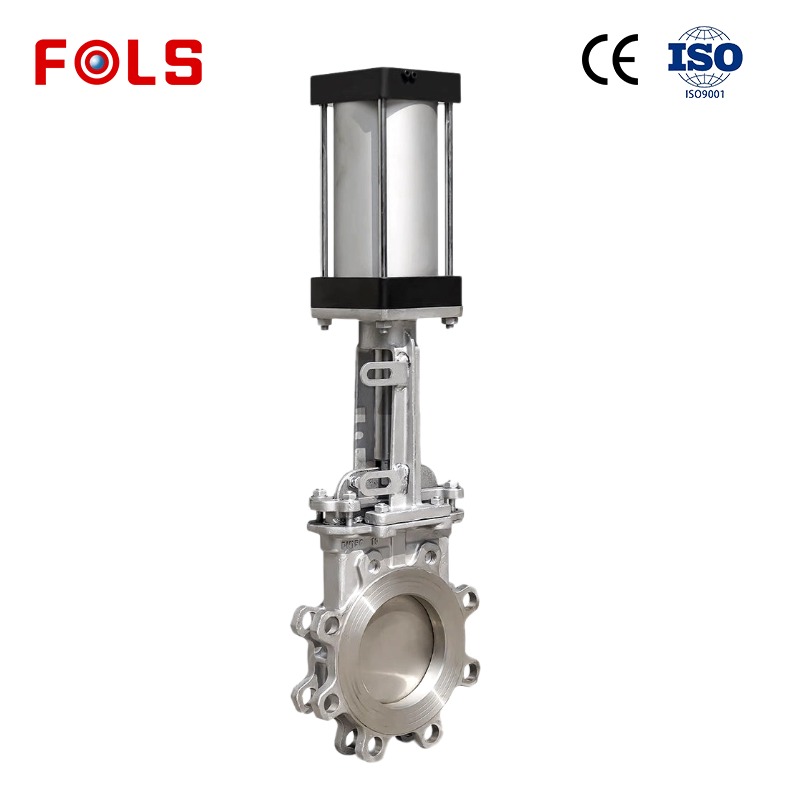
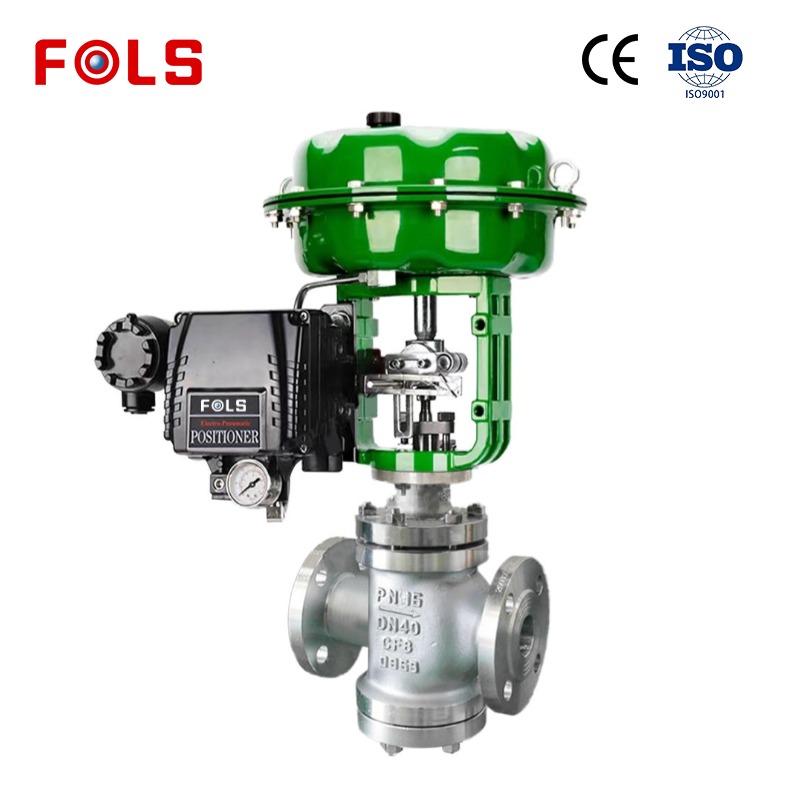
More connected process systems make actuator and control integration a recurring globe valve topic. An electric actuator may be practical where electrical power and the required control signals are available. A pneumatic actuator may be suitable where a dependable air supply exists and the response and failure behavior meet the process design. Neither choice is inherently right for every globe valve.
Specify the required stroke time, control signal, available power or air, enclosure conditions and response to loss of supply. For modulating duty, also discuss position feedback, positioning accuracy and maintenance access. A positioner can help integrate a globe valve into a control loop, but the installed response depends on the complete assembly and tuning. Asking for a valve, actuator and accessories as an integrated package can reduce ambiguity in the inquiry.
Materials, sealing and maintenance are linked
The globe valve body, trim, seat and packing should be reviewed against the medium and its temperature and pressure. Corrosion, suspended solids and thermal cycling affect components differently. Material selection also includes gaskets and seals; matching only the body material is not enough. Request the pressure-temperature limits and material details for the actual configuration, rather than assuming a catalog family shares one rating.
A globe valve placed in a confined installation can be difficult to service even when its technical specification is otherwise suitable. Check clearance above the stem, access to fasteners, isolation arrangements and spare-part availability. For an existing line, confirm face-to-face dimensions and end connections before ordering. A lower quotation may be offset by modification work or downtime if the globe valve does not fit the existing installation.
Adjacent designs require separate checks
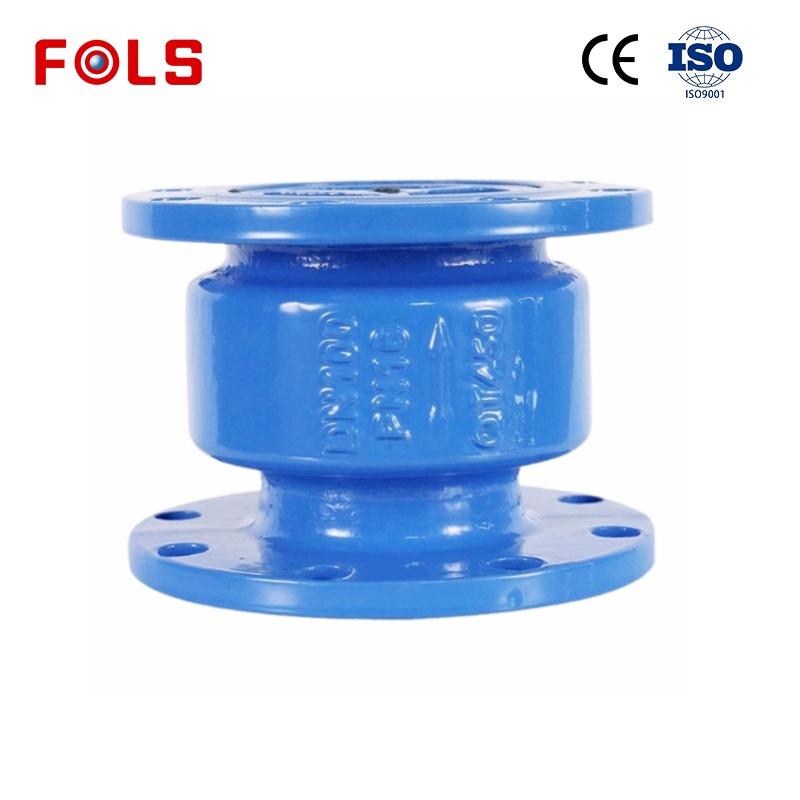
A globe style check valve is intended to address reverse flow through a check mechanism; it is not automatically interchangeable with a globe valve selected for active throttling. A stop-check arrangement can combine functions in a particular design, but its operation and permitted orientation must be confirmed with its manufacturer. Identify whether the line needs isolation, throttling, reverse-flow control or a combination before comparing names.
A sanitary globe valve serves a different set of questions. Where hygienic processing is relevant, buyers should define wetted materials, surface finish, drainability, connection type and the cleaning procedure. Ask for documentation against the specific requirements of the facility; a globe valve described as sanitary should not be assumed to meet a particular certification or cleaning protocol without evidence.
Turning trends into a practical inquiry
When comparing a globe valve for a new project or replacement, prepare a short technical brief that procurement, operations and engineering can all review. Include the operating envelope and the conditions that matter during upset, startup and shutdown. This makes quotations easier to compare on the same basis.
- State the medium, flow range, upstream and downstream pressures, temperature and required shutoff or control duty.
- Specify the globe valve connections, installation orientation, dimensional limits and available maintenance clearance.
- Identify material and sealing constraints, expected cycle frequency and any required inspection or test documentation.
- For automated duty, give the power or air supply, desired failure position, signal, feedback and control-system requirements.
- Ask the supplier to identify assumptions, sizing basis, spare parts and unresolved operating conditions in its proposal.
The globe valve market is shaped by varied application needs rather than one universal specification. A clear duty description helps connect developments in control, materials and automation to the decision at hand. Guangzhou Fols Valve Technology works in industrial valves and automation; discussions about a globe valve should still begin with the operating data and verification requirements for the specific line.
 Hot News





