
 EN
Solenoid Valve Applications In Pneumatic Systems
A compressed-air system can have the right cylinder and still move at the wrong time if its control valve is poorly matched. A solenoid valve translates an electrical command into a change in airflow, connecting the controls to a pneumatic actuator. For an automation engineer or buyer, the useful question is not simply which valve fits the pipe: it is how the valve, air supply, actuator and intended response work together.
The examples below show where these components are used and which details to confirm before specifying a circuit. They describe application principles, not a substitute for a project-specific design or safety review.
How a solenoid valve directs compressed air
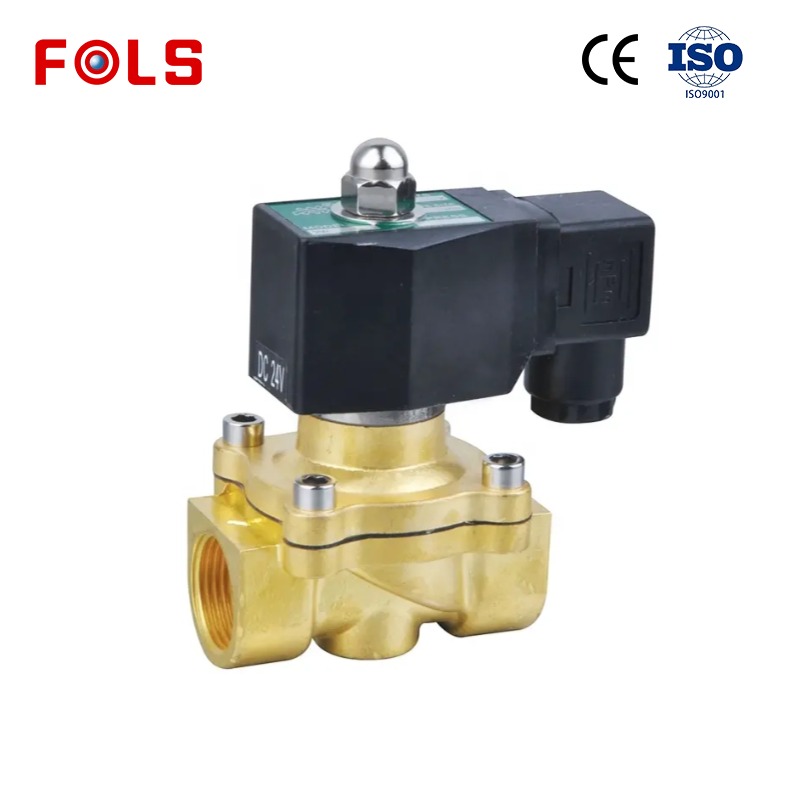
When a coil receives an electrical signal, its magnetic field moves an internal element directly or operates a pilot stage. The resulting movement changes the air path through the valve. Depending on the design, the solenoid valve can supply a working port, exhaust it, or switch air between actuator ports. Removing power can produce different results: spring-return and bistable designs can behave differently, so check the actual circuit symbol and manufacturer documentation.
Port-and-position notation provides a starting point. A 3/2 solenoid valve has three ports and two switching positions; it is commonly used to pressurize and exhaust a single-acting actuator. A 5/2 solenoid valve has five ports and two positions and is commonly paired with a double-acting cylinder. A 5/3 configuration adds a third position, but its center condition must be checked: a closed center is not automatically a safety-rated holding function.
Where a solenoid valve fits in pneumatic equipment
Clamping, gripping and workpiece transfer
On an automated fixture, a control signal can switch a solenoid valve to extend a clamp cylinder when a part is in position. A sensor can then confirm the required position before the next machine action. For a spring-return gripper, a 3/2 arrangement may supply air for gripping and exhaust the chamber to allow spring movement. Confirm what the gripper will do on loss of electricity or air: releasing a part may be unacceptable in some installations.
For a double-acting transfer cylinder, a 5/2 solenoid valve can alternate supply and exhaust between the two sides. Stroke time depends on the full air path, load and flow controls, not just the valve name. Check cylinder force across the actual pressure range and account for exhaust restrictions, tubing length and the behavior of any speed-control fittings.
Packaging and sorting sequences
Packaging lines often use cylinders for stops, diverters and small pushers. A solenoid valve allows a controller to coordinate those movements with sensors and the rest of the machine. In a hypothetical sorting station, a pusher might extend after a position sensor detects an item, then retract before the next item arrives. The control sequence should account for items arriving early, sensor faults and air pressure falling during a cycle.
Multiple solenoid valve stations may be grouped on a manifold to simplify connections. Manifold selection still requires adequate common supply and exhaust capacity when several actuators operate together. A compact assembly with an undersized supply can make a single station look suitable on paper while the entire circuit slows under simultaneous demand.
Process valve actuation
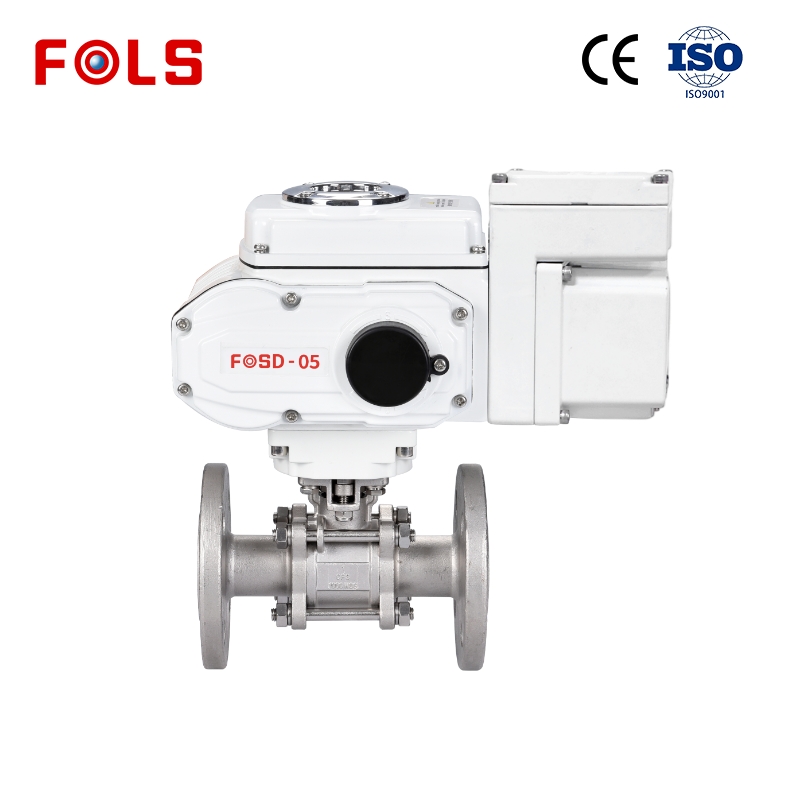
In a process line, the solenoid valve often controls instrument air to an actuator rather than contacting the process fluid. A single-acting pneumatic actuator may use the air signal to move a process valve in one direction and a spring to return it. For a double-acting actuator, the air-routing arrangement differs. Review both the pneumatic circuit and the process valve's required failure position; normally closed for the air valve does not, by itself, establish whether the process line will open or close.
For example, a fire fighting valve may belong to a separately engineered protection system with specific approval, supervision and operating requirements. Do not assume that a general-purpose solenoid valve is suitable for that duty. The project designer and authority having jurisdiction should confirm the approved arrangement, required equipment and inspection procedures.
Bulk handling and auxiliary air functions
In a bulk-material installation, a rotary airlock valve meters material between areas while limiting air exchange. It is not the same device as a pneumatic solenoid valve. A separate solenoid valve may control an air-operated gate or another pneumatic accessory around the material-handling process, if the system design calls for it. Check dust exposure, enclosure selection, isolation and the machine sequence rather than treating the airlock as an electrically operated directional valve.
Other uses include a timed air blow-off or a small indexing mechanism. In each case, the solenoid valve must be selected for the actual air quality, operating frequency and environmental conditions. Where discharged air could move debris or expose personnel to noise, review the exhaust arrangement and guarding with the site team.
Selection checks that connect the whole circuit
Begin with the movement and failure response, then trace the air and electrical paths. A solenoid valve with the correct thread size can still be unsuitable if the available flow, voltage or pressure does not match the duty.
- Air supply: Record normal and minimum pressure at the valve during operation, expected temperature and air preparation. Some pilot-operated designs require a minimum operating pressure or differential; verify the chosen model's published limits, including start-up conditions.
- Flow and ports: Compare the required actuator speed and load with the valve's flow data and the rest of the air circuit. Confirm port functions and connections against the actual schematic.
- Electrical supply: Match coil voltage, AC or DC supply, connector and controller output capability. Verify duty rating and heat dissipation for the intended energized period.
- Position on interruption: Document valve behavior on loss of power and loss of air separately. Check stored energy, gravity loads and the actuator spring; a directional valve alone is not necessarily a safety function.
- Installation: Check enclosure suitability, contamination exposure, access to connectors and exhaust, and maintenance space. Follow the equipment maker's instructions for mounting and air quality.
Commissioning and maintenance
Before commissioning, have qualified personnel isolate electrical and pneumatic energy, relieve stored pressure and secure any load that could move. Confirm wiring and tubing against the circuit drawing, then test each permitted state under a controlled procedure. A manual override, if fitted, can help diagnosis but may also cause movement; use it only under the site's safe work procedure.
If a solenoid valve clicks without the expected movement, check the command and coil supply, air pressure at the valve, pilot requirements, blocked exhaust and downstream load. A click alone does not prove the spool has shifted or that the actuator is receiving sufficient air. Leaks, moisture and contamination can also affect performance; identify the cause before replacing parts.
For an inquiry, share the actuator type, supply range, desired power-loss and air-loss positions, cycle pattern, connection details and environmental conditions. FOLS Valve focuses on pneumatic valves, electric actuators and automation systems; these details provide a practical starting point for a technical discussion without assuming that any particular product fits the application.
 Hot News





