
 EN
Ball Valve Applications In Chemical Processing Sectors
A chemical plant may need one valve to isolate a solvent transfer line and another to manage an automated utility supply. Both could use a ball valve, but their materials, operating requirements and consequences of leakage are not necessarily alike. Start the specification with the fluid and its duty, not just the valve size.
From an application engineering perspective, the practical questions are where the valve sits, what it must isolate and how operators will maintain it. This article examines typical chemical-sector duties and the checks that help a purchasing team discuss a ball valve with the process and maintenance teams.
Where a ball valve fits in chemical processing
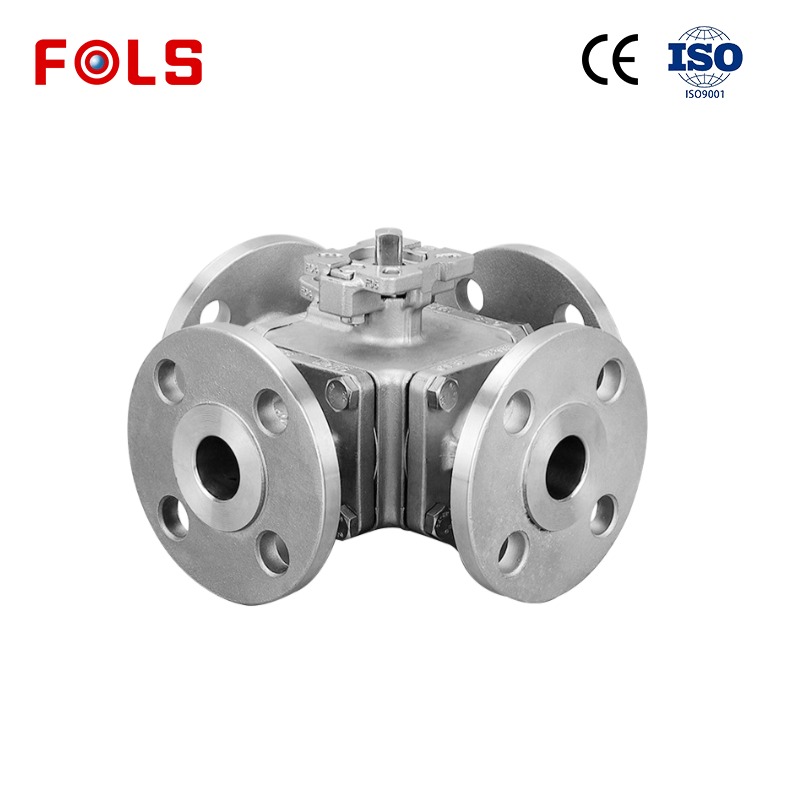
A ball valve uses a rotating ball with a passage through it. In a typical two-way design, a quarter turn moves the passage between open and closed positions. The design is often considered for on/off isolation; whether a particular assembly provides the required shutoff must be verified against its specification and the service conditions.
Bulk transfer and storage
Tank farms and transfer headers can use a ball valve to separate equipment or direct material between line sections. For example, a hypothetical batch plant might need to isolate a supply line before changing a receiving vessel. Engineers would review the actual chemical, its concentration and temperature, the pressure envelope and the required isolation arrangement before choosing materials or connections.
Transfer service also raises practical questions about pressure loss, pipe support and access to the handle or actuator. A full-bore ball valve may be worth evaluating where the process calls for an unobstructed passage, but bore size alone does not establish suitability. Check the full assembly rating, the piping specification and the consequences of a closed valve trapping fluid.
Batch blending and reactor support
In a blending line, a ball valve can be part of an on/off arrangement for adding ingredients or isolating a branch. Automation may make sense when a control system must repeat a sequence, but the valve is only one part of the design. Confirm actuator torque throughout the operating range, cycle frequency, position feedback and the state required when power or instrument air is lost.
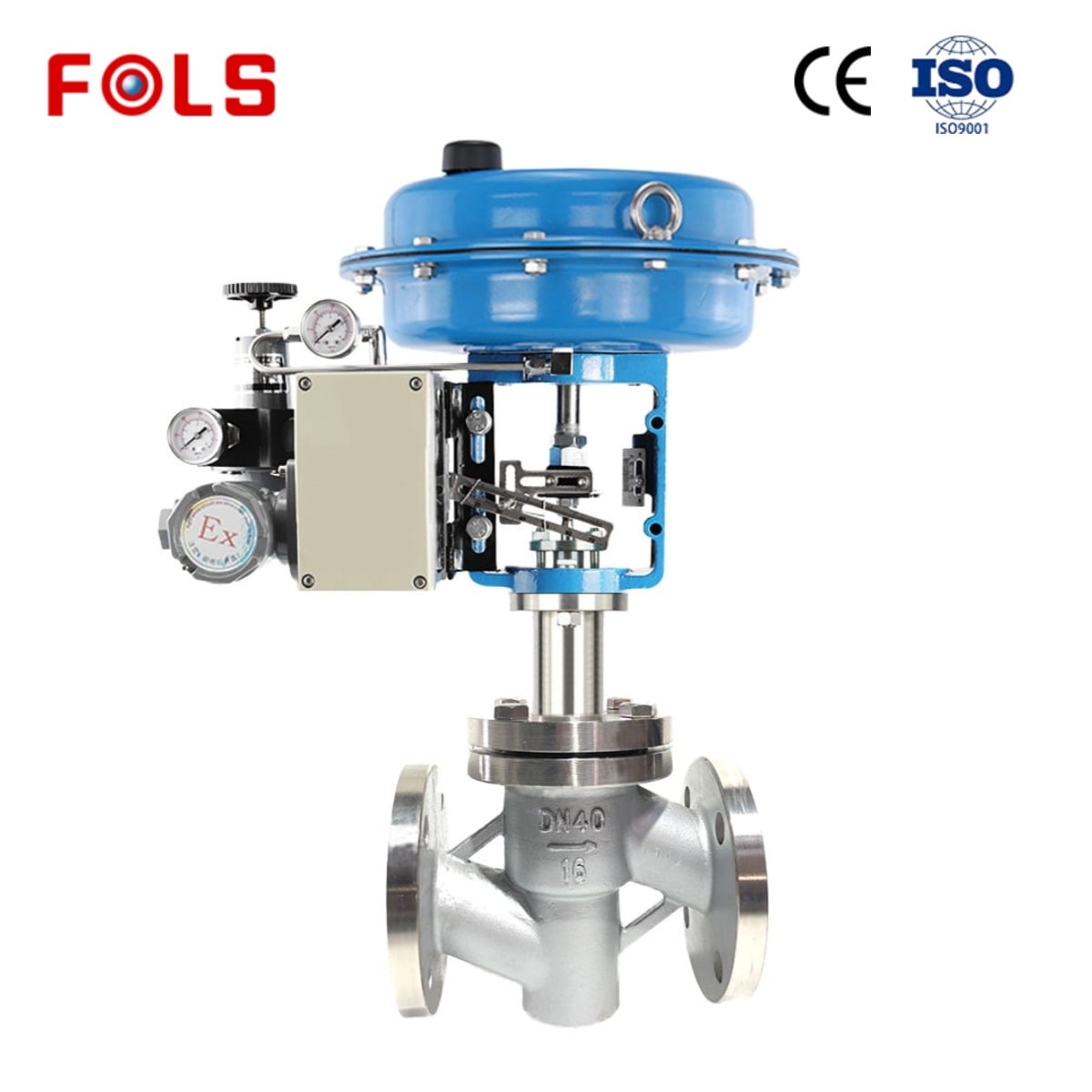
For proportioning or continuous modulation, ask whether a dedicated control valve or a ball valve specifically designed and sized for control is appropriate. Partially opening an ordinary isolation valve is not a substitute for a control-valve sizing review; erosion, seat wear and unstable control may become concerns depending on the duty.
Utility and treatment lines
Cooling water, service fluids and wastewater handling have different risks from product contact, yet each still needs its own specification. A ball valve on a treatment skid may see deposits, suspended solids or cleaning fluids that were absent from the original process description. Review normal operation as well as flushing, upset conditions and maintenance access.
Small instrument or sampling branches may call for a mini ball valve where space and the connection size make it practical. Even on a small line, confirm the pressure-temperature rating, wetted materials and the site's sampling and isolation procedure. A mini ball valve should not be assumed to provide any particular level of containment solely because it is compact.
Match materials to the real fluid
The body, ball, stem, seats, packing and gaskets all matter. When selecting a ball valve, identify every material that can contact the process fluid or cleaning media, including any materials exposed during an upset. Compatibility depends on concentration, temperature, pressure and exposure time; a material name by itself is not enough to approve the assembly.
Stainless steel and lined designs are among the possibilities a supplier may offer, while seat options can include PTFE-based materials or other compounds. These are examples, not a recommendation for a particular chemical. Ask for the exact material grades and seat formulation, the manufacturer's compatibility information and the pressure-temperature limits of the assembled ball valve. If solids, high cycling or abrasion are involved, discuss wear and sealing behavior as well.
For volatile service, examine both external leakage paths and the required internal shutoff performance. Applicable rules vary by facility and jurisdiction. In the United States, 40 CFR Part 60 Subpart VVb addresses equipment leaks of volatile organic compounds at certain synthetic organic chemical manufacturing facilities; applicability depends on the facility and relevant dates. The site compliance team must determine which requirements apply; a generic valve description is not proof of compliance.
Manual, actuated and solenoid-controlled arrangements
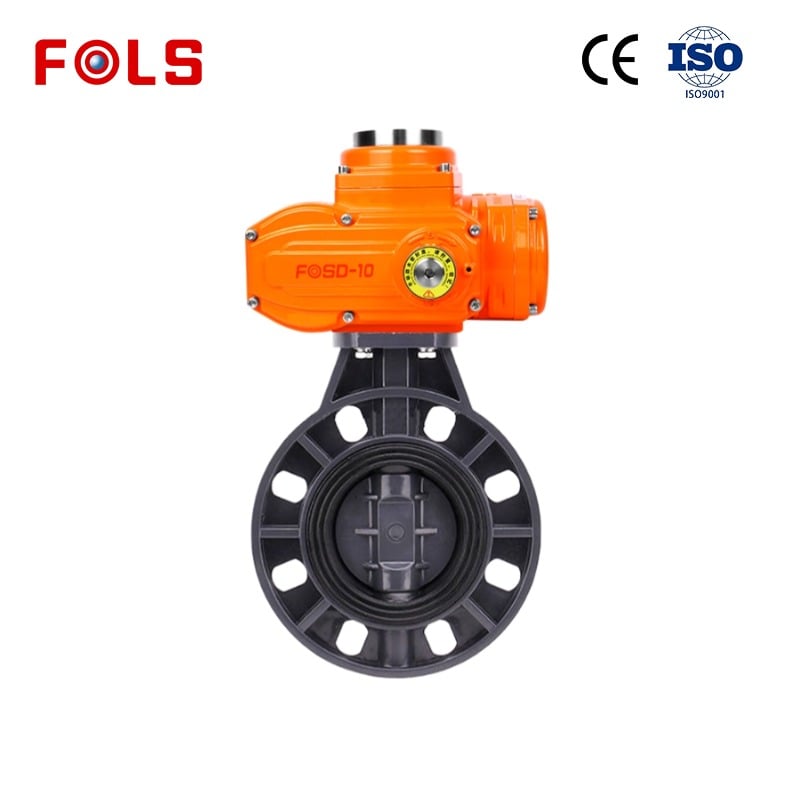
A manual ball valve can suit an accessible point that is operated infrequently. Before choosing an actuator, define the available power or instrument air, commanded response, local access, environmental conditions and position indication. An actuator must be sized for the actual valve torque and service, including appropriate design margins established by the equipment supplier.
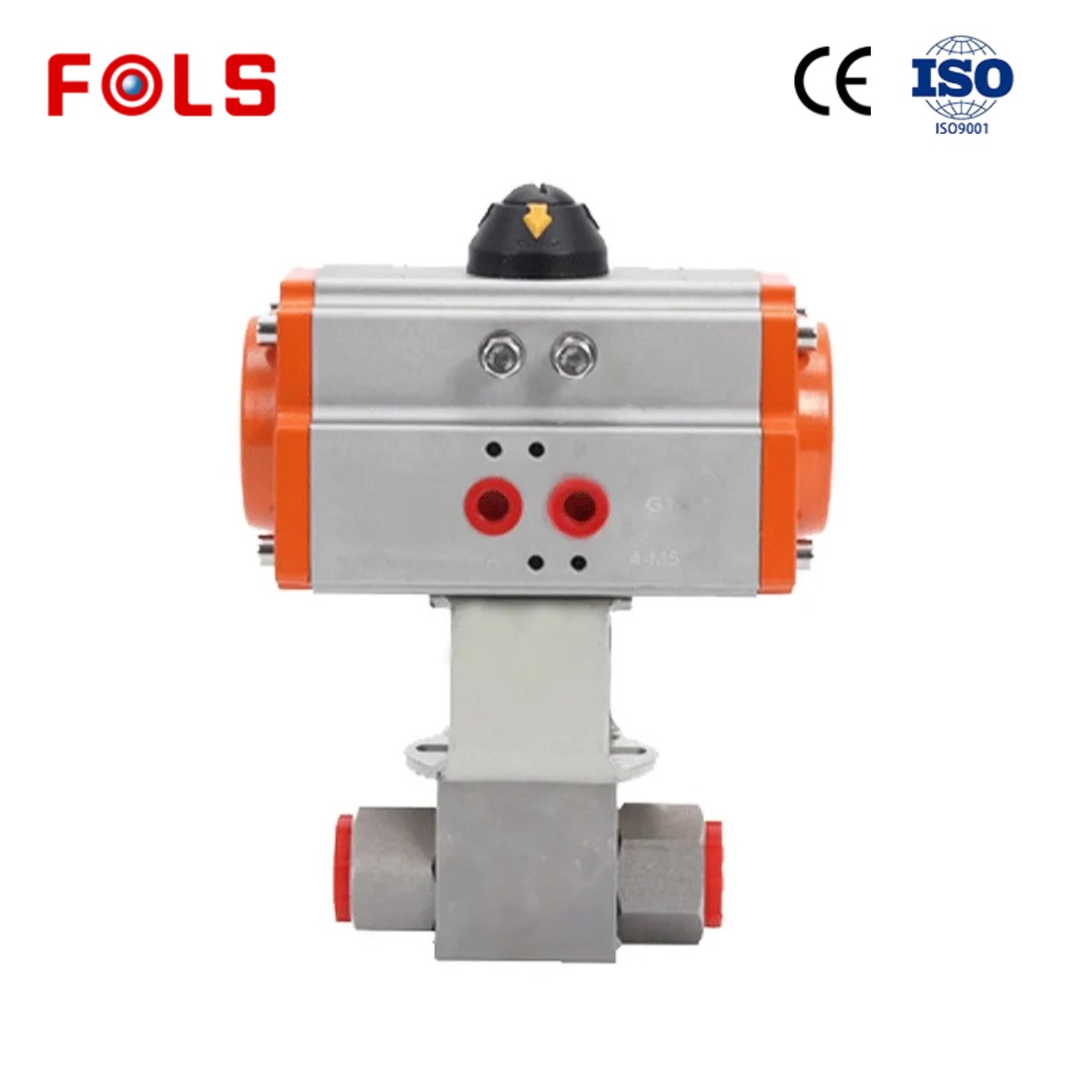
The phrase solenoid ball valve can describe different arrangements. In one configuration, a solenoid pilot directs air to a pneumatic actuator that turns the ball valve; elsewhere it may refer to a different electrically operated assembly. Clarify exactly which component switches the fluid and what happens after a power or air failure. A solenoid ball valve specification should also identify electrical supply, signal, hazardous-area requirements where applicable, and the intended fail position.
Do not infer a safety function from the actuator label. If the ball valve forms part of a protective system, the responsible engineer must assess the complete system, its failure modes, testing and applicable project requirements.
Installation and maintenance questions
A valve's performance depends on the surrounding system. Confirm pipe alignment and the required end connections, provide room for operation and servicing, and follow the manufacturer's orientation and installation instructions. A ball valve exposed to trapped liquid may need an engineered pressure-relief arrangement; identify the possibility during design instead of assuming the cavity can safely absorb pressure changes.
Before maintenance, the site team should follow its approved isolation, lockout and verification procedures, including control of electrical or pneumatic energy and any stored fluid pressure. US OSHA 29 CFR 1910.147 covers hazardous-energy control where applicable. A closed ball valve alone is not a universal proof that a line is safe to open: the required isolation, draining, verification and protective equipment depend on the hazard and site procedure.
During planned inspections, look for changes in stem leakage, cycling behavior or position feedback, and investigate them under the site's maintenance rules. Keep the assembly identification and approved replacement parts available so that a replacement ball valve is checked against the same service requirements.
A short specification checklist
- Fluid and duty: identify the chemical, concentration, phases, contaminants, cleaning fluids and expected operating cycles.
- Design conditions: provide the operating and design pressure-temperature range, flow requirements and potential upset conditions.
- Materials and sealing: list wetted parts, required shutoff performance and any applicable leakage or documentation requirements.
- Connections and access: confirm pipe size, end connections, installation space and the maintenance arrangement.
- Control: define manual or automated operation, utilities, feedback, fail position and system interfaces.
A well-defined duty gives the supplier enough information to propose a ball valve configuration for technical review. It also gives operations and maintenance a chance to resolve access, isolation and documentation questions before the equipment reaches the site.
 Hot News





