
 EN
What Are The Benefits Of 3-Way Ball Valve In Plants?
A plant rarely needs fluid to follow only one route for its entire operating life. A process may switch between two tanks, send a stream through a treatment stage, or bypass equipment during a scheduled stop. A 3-Way Ball Valve can combine several of these routing functions in one valve body. That can simplify management of alternative flow paths, provided the port arrangement and operating limits match the system.
For an application engineer, the useful question is not simply how many ports a valve has. It is which connections must be open, which must be closed, and what should happen while the ball moves between positions. Those answers determine whether this arrangement is appropriate for a plant.
How a three-port valve changes a process route
A 3-Way Ball Valve contains a rotating ball with an internal passage that connects selected ports. An L-port passage typically connects two ports at a time, making it useful for diverting one incoming stream to an alternative outlet, or selecting between two incoming lines when the design permits. A T-port passage can connect different combinations of ports and, in some configurations, support mixing or splitting.
These descriptions are starting points, not a universal port map. The manufacturer’s flow diagram, seat arrangement, shaft position, and rotation limits define the available states. Some configurations permit all ports to connect or offer a shutoff position; others do not. Many two-position actuators use a 90-degree turn, but the required travel must be checked against the specific valve. Do not assume that any intermediate position provides safe isolation.
Plant benefits when the valve is correctly selected
Fewer components in a routing assembly
In a suitable changeover duty, one 3-Way Ball Valve may perform a routing function that would otherwise require multiple two-way valves and fittings. This can reduce the number of components to install and make a compact layout easier to plan. It does not automatically remove the need for separate isolation valves, check valves, instrumentation, or safety devices. Compare the full piping arrangement before counting any space or cost savings.
Clearer changeover between process paths
Consider a hypothetical water-handling line that alternates between two receiving tanks. A correctly configured 3-Way Ball Valve can select the intended destination through a defined movement of the ball. Operators can use a position indication and an agreed port map to verify the route. The design still needs an assessment of what happens during movement: a momentary overlap, restriction, or loss of flow may matter to the pump and the downstream process.
In a cooling loop, a similar arrangement may route fluid through a heat exchanger or a bypass. The benefit is a convenient way to change the path without disconnecting pipework. Before using that arrangement, check whether the equipment requires continuous minimum flow and whether pressure changes during transfer are acceptable.
More options for automated operation
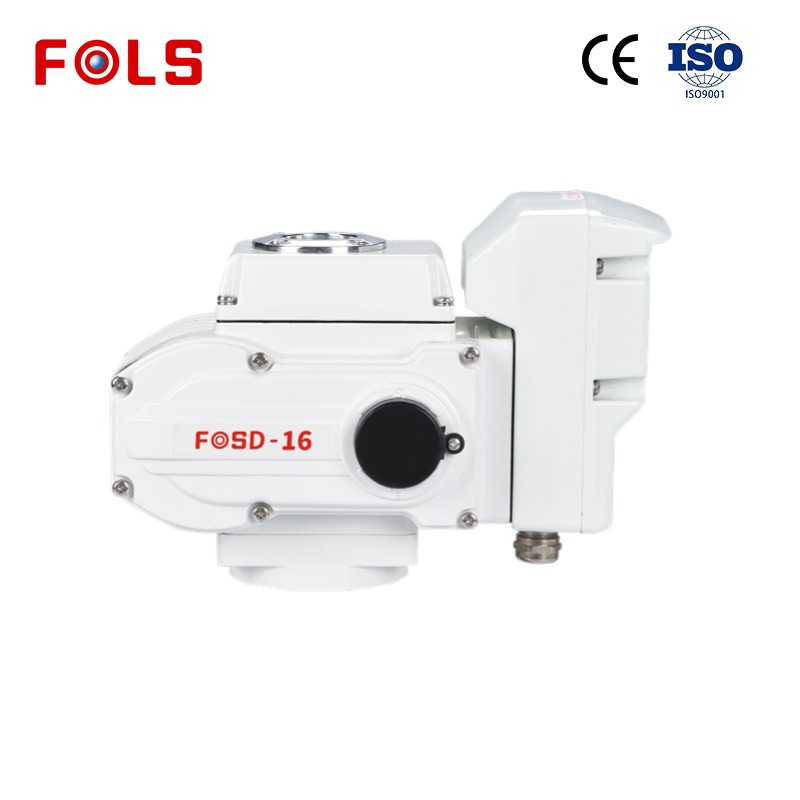
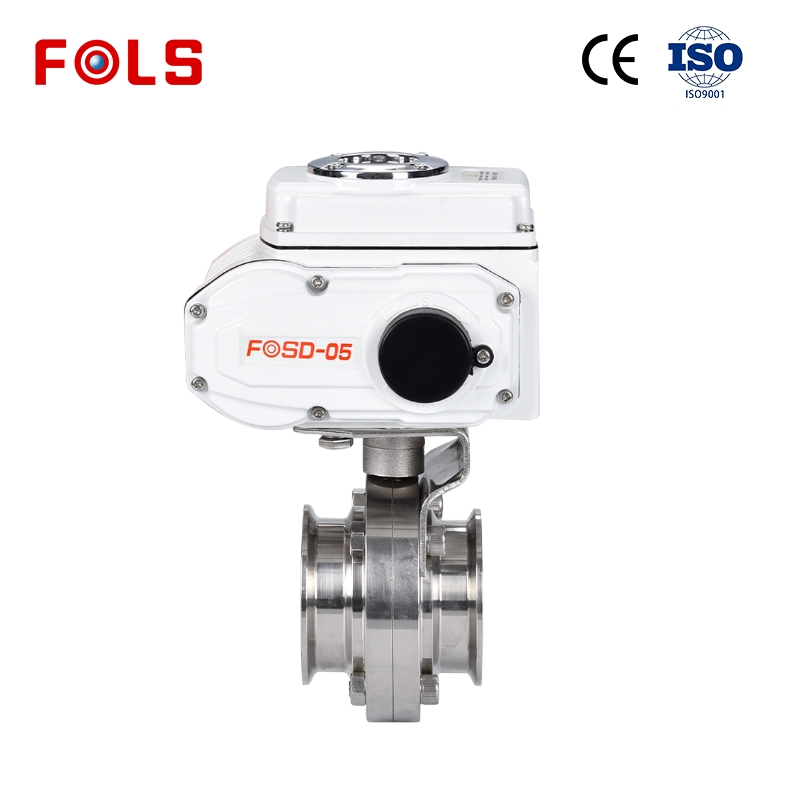
Where a plant must switch remotely or repeat the same sequence, a 3 way motorized valve can pair a three-port body with an electric actuator. The control system can command a specified position and, when the actuator has suitable feedback, report its position to the operator. The word motorized alone does not establish the available signals, torque, duty cycle, or behavior after a power loss; those details belong in the equipment specification.
A 3 way modulating valve with actuator is a different control choice when the process needs movement to intermediate positions rather than a simple changeover. Verify that the particular ball, flow characteristic, actuator, and controller are designed for modulation. A valve intended for on/off duty is not automatically suitable for stable throttling, and a partially open ball can experience different wear or flow behavior. Control performance depends on sizing and the whole loop, not on the actuator label alone.
Maintenance planning can become more straightforward
A 3-Way Ball Valve can make a normal bypass sequence easier to describe when its actual port states support the intended route. That does not make the valve a substitute for a maintenance isolation plan. Before work, follow site procedures to isolate energy, relieve pressure, drain or contain the medium, and verify isolation. A separate positive isolation arrangement may be needed, especially where leakage or trapped pressure could create a hazard.
Where the benefits need closer examination
Three ports do not mean every combination of mixing, diverting, and shutoff is available. The correct flow path depends on the ball geometry and the seat design. Ask for the port diagram for every commanded position, including any transition and loss-of-power state. Mark the common connection on the drawing rather than assuming that it is in the same location on every model.
For a blending application, two inlet streams may have different pressures. A suitable T-port configuration can connect them, but the plant must assess whether reverse flow between branches is acceptable and whether additional check valves or controls are required. Likewise, a switching arrangement that works with clean water may need a different material or maintenance approach for corrosive, viscous, or particle-laden service.
Pressure drop also deserves attention. Size a 3-Way Ball Valve using the required flow and the pressure difference available across the relevant flow paths, not pipe diameter alone. Compare the supplier’s flow coefficients and pressure-temperature limits for the actual configuration. The aim is to maintain process conditions while staying within the documented equipment limits.
What to specify before requesting a quote
Give the supplier a simple process sketch with arrows for normal and alternate flow. Then identify each operating state and the conditions under which the valve changes position. This makes it easier to compare a manual 3-Way Ball Valve with an automated assembly on the same basis.
- Medium and compatibility: identify the fluid, concentration, solids, cleaning agents, and material requirements for wetted parts and seats.
- Operating envelope: provide normal and maximum pressure, temperature, flow range, and the differential pressure during switching.
- Port and connection details: show the desired L-port or T-port states, pipe size, connection type, and the required mounting space.
- Control arrangement: state whether the duty is manual, on/off, or modulating; specify power or air supply, control signal, feedback, torque, and cycling frequency.
- Failure and maintenance: define the required response to loss of power or air, acceptable leakage, access for service, and any separate isolation requirements.
Guangzhou Fols Valve Technology Co., Ltd. focuses on industrial valves, actuators, and automatic control systems. For a proposed 3-Way Ball Valve application, share the flow sketch and operating conditions so the valve body and actuator can be discussed together. Confirm product-specific ratings, control functions, and documentation before approving the final selection.
 Hot News





