
 EN
What Is Wafer Butterfly Valve And Its Space Saving Design?
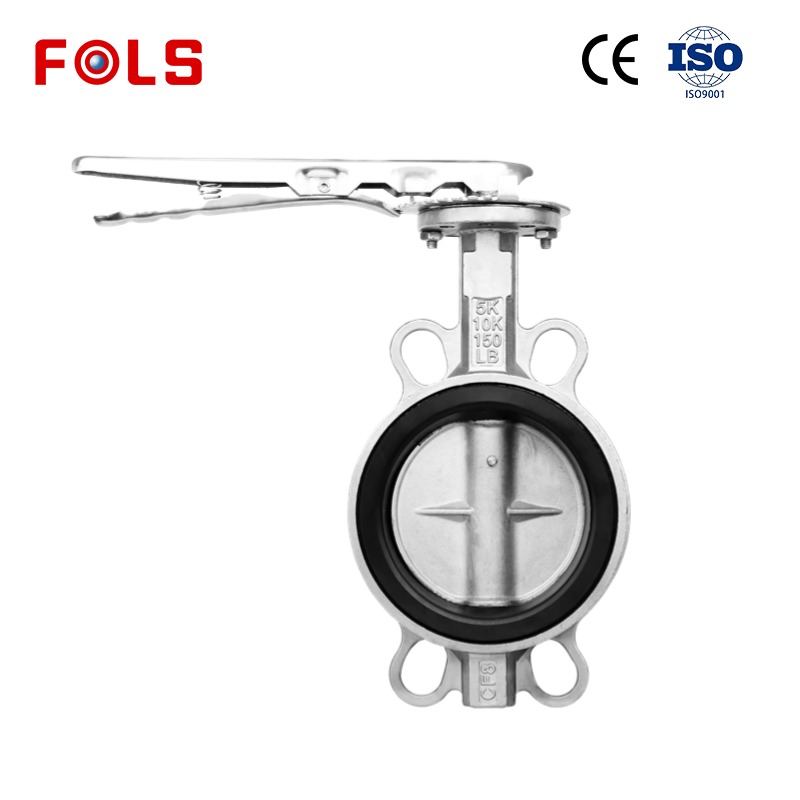
A wafer butterfly valve is a quarter-turn valve with a thin body held between two pipe flanges. A disc inside the pipe rotates to open or restrict the flow. The body occupies a short section of pipeline, which can help when a pump room, skid or treatment plant has limited space between connections.
The short body is only part of the design decision. An application engineer also needs to check the room for the disc to swing, the operator to move and the valve to be removed. Those checks show whether the compact body fits the installation.
How a wafer butterfly valve works
The principal parts are the body, disc, stem and seat. A handle, gearbox or actuator turns the stem and disc. In a typical on-off arrangement, a roughly 90-degree turn moves the disc between closed and open positions. When closed, the disc meets the seat; when open, it lies broadly in the direction of flow. The disc remains in the flow path even when open.
A wafer butterfly valve can be selected for isolation or, when its design and the system conditions permit, flow regulation. The required leakage performance, operating torque and suitability for throttling depend on the particular valve and duty. Do not assume that any butterfly valve is a substitute for a dedicated control valve.
Why the wafer body uses less pipeline length
The wafer butterfly valve is sandwiched between mating pipe flanges rather than having a full flange on each side of its body. Long flange bolts typically pass around or through locating features on the body and clamp the assembly together. The arrangement allows a short face-to-face dimension, although the actual dimension varies by size and manufacturer.
Imagine replacing an existing valve in a crowded water-treatment skid. The measured gap between the two flanges may accept a compact body, but the project still needs enough clearance above the pipe for the actuator and enough access around it for tools. Compare the approved dimensional drawing with the existing gap rather than relying on the word “wafer.”
Axial space is not the whole footprint
Check the disc's projection beyond the body in the open position. It may conflict with a pipe liner, adjacent fitting, pump or another valve. Include the flange faces and any required sealing arrangement in the measurement. Some resilient-seated designs seal against the flanges without separate gaskets; follow the instructions for the specific valve instead of adding or omitting gaskets by habit.
A wafer butterfly valve also needs clearance for bolt insertion and withdrawal. A slim body does not necessarily make maintenance easy if a wall blocks the long bolts or the actuator cannot be lifted. Confirm flange alignment and allow for the manufacturer's installation sequence before finalizing the layout.
Where the design can be useful
Potential applications include water distribution, wastewater systems and process pipework where space and isolation are important. Suitability still depends on the media, solids content, pressure, temperature and the materials exposed to the fluid. For a corrosive process or abrasive slurry, ask for material compatibility and service guidance rather than selecting solely by body style.
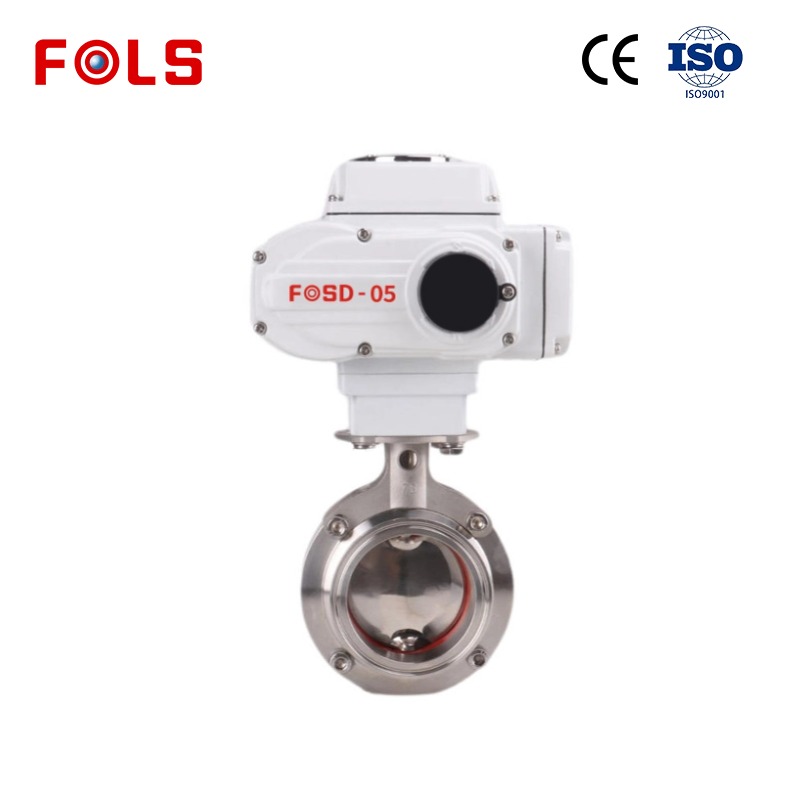
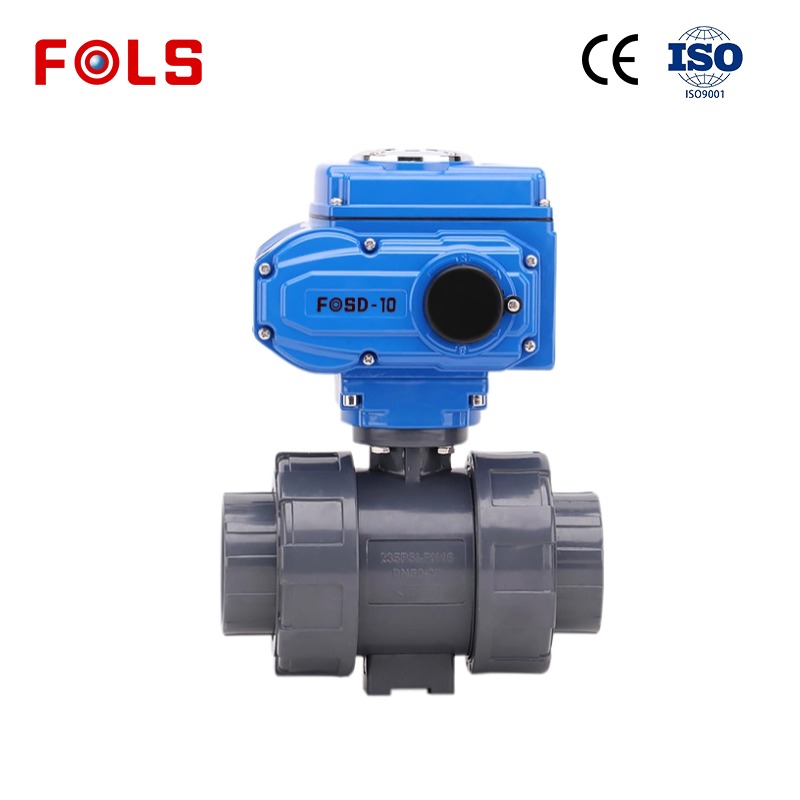
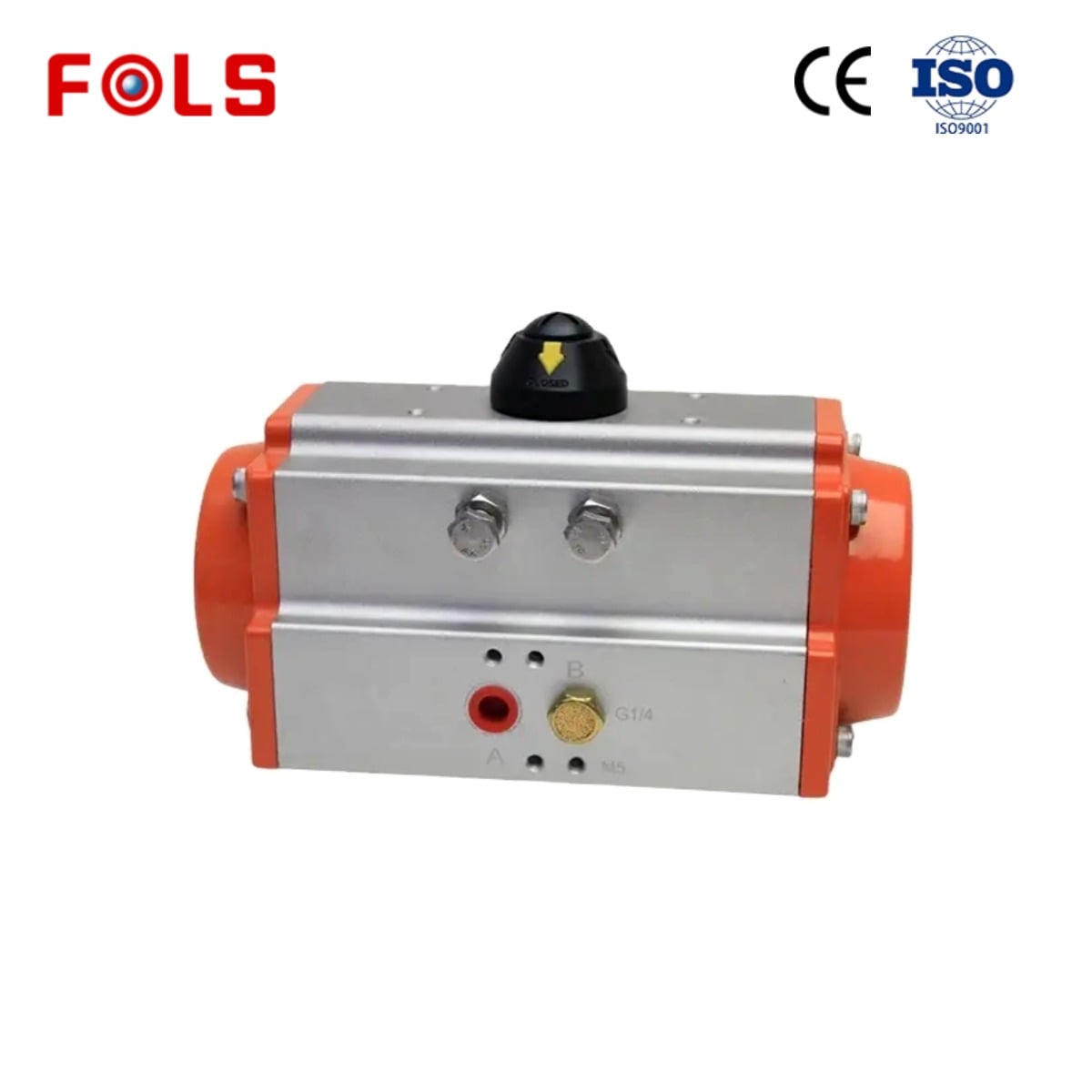
On an automated line, consider the space and utilities required by the actuator as well as the valve. A pneumatic unit needs an appropriate air supply and controls; an electric unit needs power, control signals and an agreed response to loss of power. FOLS Valve works with industrial valves and automation systems, so these operating details are useful starting points for a technical inquiry.
Wafer versus lug: what changes during maintenance?
Both wafer and lug designs use a rotating disc, but their flange attachments differ. A wafer butterfly valve generally depends on the adjoining flanges and their bolts to retain the body. A lug-style design has attachment points around the body, often allowing the flanges to be bolted independently. This difference matters when a line section must be disconnected.
Do not assume either design can serve as an end-of-line isolation point. Dead-end service requires an explicitly approved valve, pressure rating and installation arrangement. Isolate, depressurize and drain the relevant pipework according to site procedures before loosening any flange connection. Ask the manufacturer whether the chosen assembly is suitable for the planned maintenance configuration.
How does it compare with a ball or check valve?
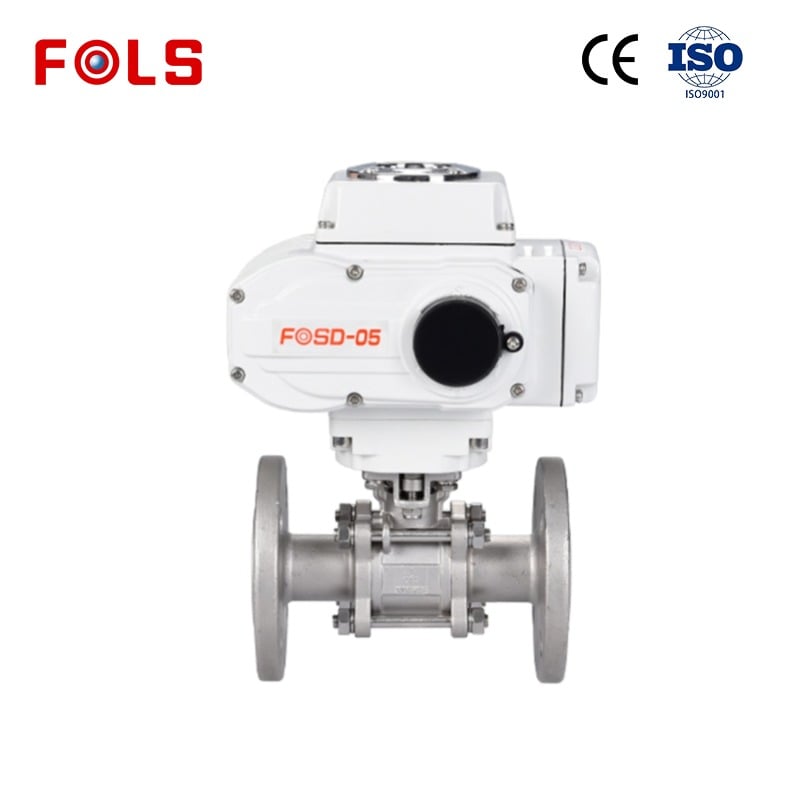
The ball valve working principle also involves a quarter turn, but a bored ball rotates to align its passage with the pipe or block the flow. A butterfly valve instead rotates a disc within the flow path. Body length, pressure drop, sealing and maintenance differ by design and size; compare actual drawings and rated data for the same duty rather than assuming either design is smaller or more suitable in every case.
A butterfly type check valve is a different device from a manually or actuated butterfly isolation valve. A check valve responds to flow and is intended to limit reverse flow; it is not a replacement for a positive isolation device. In a pumping system, the two functions may both be needed, subject to the system designer's assessment.
What to confirm before ordering
For a wafer butterfly valve, send the supplier a short set of operating and installation details. This makes it easier to review the complete assembly rather than just its nominal pipe size:
- Process conditions: medium, concentration, operating and design pressure, temperature, flow range and any solids.
- Pipe connections: nominal size, flange drilling and facing, pipe inside diameter, liner details and available face-to-face gap.
- Movement and access: disc clearance inside the adjacent pipe, handle or actuator envelope, bolt withdrawal space and removal route.
- Duty: isolation or regulation, operating frequency, required shutoff performance and permitted pressure drop.
- Controls: manual, electric or pneumatic operation, available utilities, control signals and required fail position.
- Maintenance: isolation points, ability to drain, support for the connected pipe and any end-of-line requirements.
Before commissioning, follow the valve maker's instructions for flange alignment, bolt tightening and safe cycling. Confirm that the disc moves without contacting adjacent pipework. A wafer butterfly valve can save axial space, but the right choice is the one that also fits the pipe, operating conditions and service plan.
 Hot News





