
 EN
Why Gate Valve Is Essential For Isolation Purposes?
A gate valve is useful when a pipeline needs a clear choice between normal flow and shutoff. Its gate moves across the passage to interrupt flow, then withdraws when the line returns to service. For a maintenance team, that simple function can make it possible to separate equipment from a larger system without interrupting every connected line. The valve must still suit the medium and the duty, and a closed position alone does not prove that the work area is safe.
From an application engineering perspective, start with the actual service conditions rather than the valve name. Pressure, temperature, fluid properties, required leakage performance and operating arrangements all influence whether a gate valve is a suitable isolation device.
How a gate valve isolates a pipeline
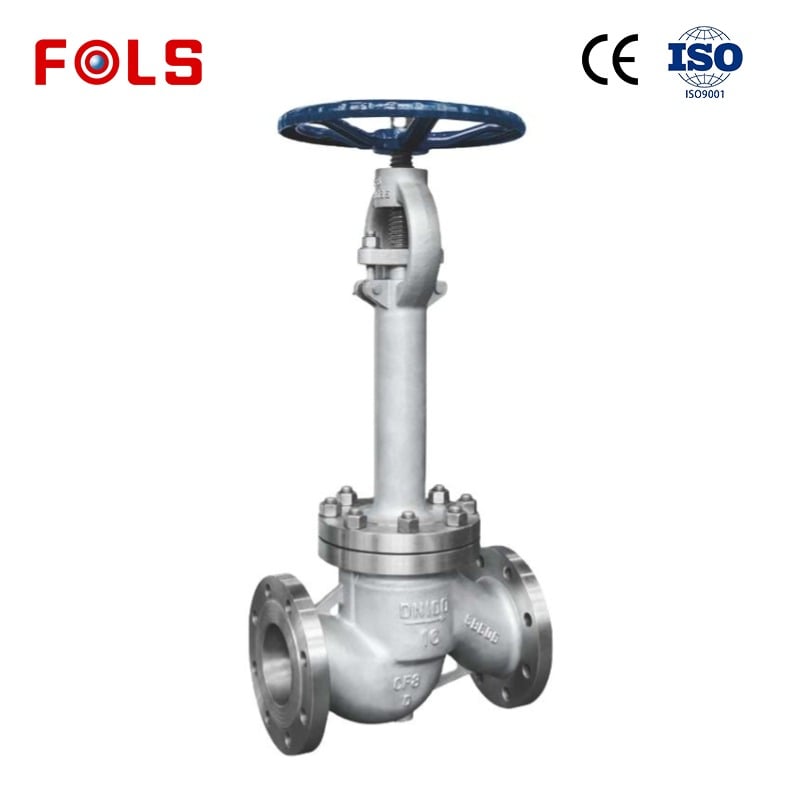
Turning the handwheel or operating an actuator moves the stem and gate toward the seat or back out of the passage. In the closed position, the gate meets the seating surfaces and restricts flow through the valve. The degree of shutoff depends on its design, seat condition, operating pressure and the specified leakage criteria. Some designs use a rising stem, which moves visibly as the valve operates; others use a non-rising stem where available space is limited. Position indicators should be checked against the actual valve documentation.
When fully open, a gate valve commonly provides a relatively straight flow path. This can mean a lower pressure loss than a valve with a more tortuous internal passage, although the actual loss depends on the bore, size and design. This matters in systems that spend long periods running with an isolation valve open. Do not assume every model is full bore: check the manufacturer's dimensions and flow data.
Why isolation matters during operation
Separate equipment for planned work
Pumps, filters and branch lines sometimes need inspection while other parts of a network remain in service. A gate valve at an appropriate location can form part of the boundary around the affected section. For example, in a hypothetical water treatment line, isolating a filter branch may limit the extent of a shutdown. Whether the team also needs another valve, a drain, a blind or other measures depends on the site's isolation plan and the hazard involved.
Location is as important as the gate valve itself. Map possible sources of pressure and backflow, including connected branches and stored liquid. If one valve cannot establish the required boundary, engineering staff must specify additional isolation arrangements. A single valve should not be treated as a universal personnel-protection barrier.
Keep an on-off function separate from control
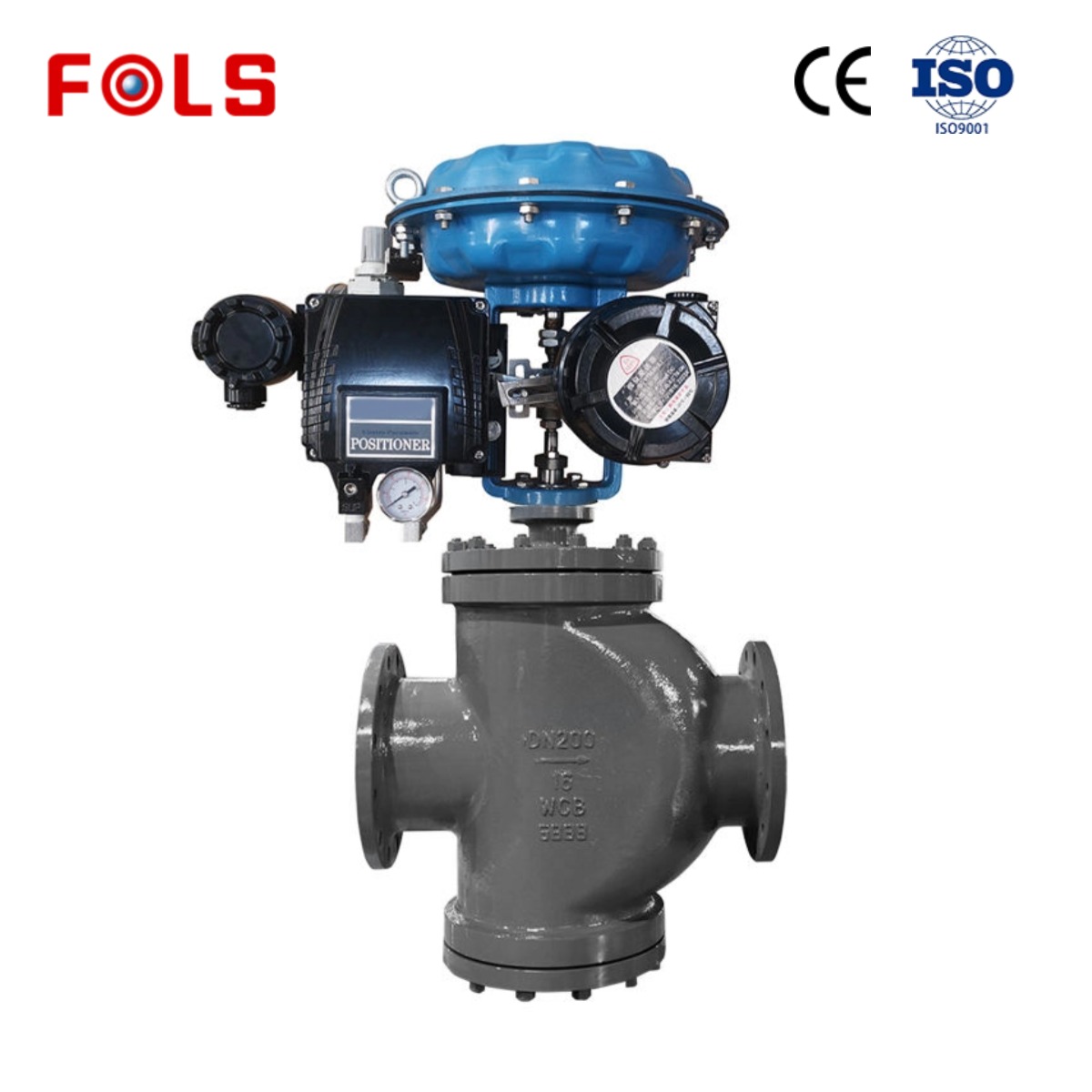
A gate valve is generally intended for fully open or fully closed service, not continuous throttling. A partially open gate can experience vibration, erosion or seat damage, and it may not provide predictable flow control. A control valve selected for regulation is normally a better fit when flow or pressure must change continuously.
Consider a steam regulator in a heating line. The regulator manages pressure according to its control design, while a properly selected gate valve can provide an on-off isolation function as part of the engineered arrangement. These functions are different; neither device should be assumed to replace the other. Steam service also requires attention to temperature, condensate and the equipment maker's installation instructions.
What to check before choosing a gate valve
Two valves with the same nominal size may differ in body material, seat construction, end connections and pressure-temperature limits. A useful inquiry should give the supplier enough information to evaluate the whole assembly, not just the pipe diameter.
- Medium and compatibility: Identify the fluid, concentration and any solids. Check body, trim, packing and seat materials against chemical exposure and abrasion.
- Operating envelope: Provide normal and maximum pressure and temperature, including expected differential pressure during opening and closing. Confirm the manufacturer's ratings for the actual combination.
- Connections and space: Match pipe size, end connection and installation dimensions. A rising stem needs clearance above the valve throughout its travel.
- Shutoff requirement: Define the acceptable leakage and any required test criteria. A seating arrangement suitable for one duty may not meet another.
- Operation: State how often the valve will cycle and whether manual, electric or pneumatic actuation is needed. Check available power or air, torque, controls and the required response to loss of supply.
- Maintenance access: Leave room for operation, inspection and any service specified by the manufacturer. Include access for locking devices where the isolation procedure requires them.
In a water network, a remote water valve may need position feedback and a communications connection as well as a compatible actuator. Remote commands are useful for operation, but a control signal is not proof of mechanical isolation. Define local verification, access and failure response with the site team before relying on the arrangement.
What makes an isolation point dependable?
A gate valve can only do its intended job if it is installed, operated and maintained for the conditions it actually sees. Confirm the flow direction requirements, mounting restrictions and operating instructions for the specific model. Avoid forcing the handwheel or actuator beyond the manufacturer's limits. In lines with debris or deposits, assess whether the process could interfere with the seat or gate and plan appropriate inspection.
Infrequently operated isolation valves also deserve attention. A valve left open for a long period may be difficult to operate when a shutdown is needed. The site maintenance plan can define inspection and exercise intervals consistent with the manufacturer's instructions and process requirements. Any activity that changes flow or pressure should be planned and authorized.
Does a closed gate valve make maintenance safe?
No single position indication is enough on its own. A closed gate valve may have seat leakage, trapped pressure downstream or another source feeding the equipment. An authorized person must follow the site's energy-control and line-breaking procedures, identify all energy sources, secure the required isolation devices, address stored energy and verify the isolation using the approved method before work begins. Depending on the hazard, the approved procedure may require a physical separation or additional barriers.
For covered servicing and maintenance in the United States, OSHA's hazardous energy standard, 29 CFR 1910.147, addresses stored energy and verification of isolation. Its scope and any other applicable rules should be assessed for the specific work; local requirements can differ. This article is a selection overview, not a substitute for an engineered procedure or a qualified safety assessment.
Making the isolation decision
A gate valve is valuable because its on-off function supports a defined pipeline boundary while allowing a relatively unobstructed path in normal operation. The practical decision is not simply whether to specify a gate valve, but which design, location and operating method meet the duty and the site's safety requirements.
Prepare a line description, operating envelope, leakage requirement and preferred control method before requesting advice. FOLS Valve works in industrial valves and automation; these details provide a useful starting point for a technical discussion.
 Hot News





