
 EN
Wafer Butterfly Valve Applications In Water Systems
A water line may need to be isolated for maintenance, balanced during commissioning, or operated remotely as demand changes. A Wafer Butterfly Valve can be a practical candidate where the available space between pipe flanges is limited. Whether it belongs in a particular system depends on more than its compact body: the water quality, pressure range, flange arrangement, operating frequency, and maintenance plan all matter.
From an operator's perspective, the useful question is not simply where a Wafer Butterfly Valve will fit. It is whether the installed assembly can be operated, inspected, and safely isolated under the actual conditions of the line. The following applications show what to check before choosing one.
How a Wafer Butterfly Valve works in a water line
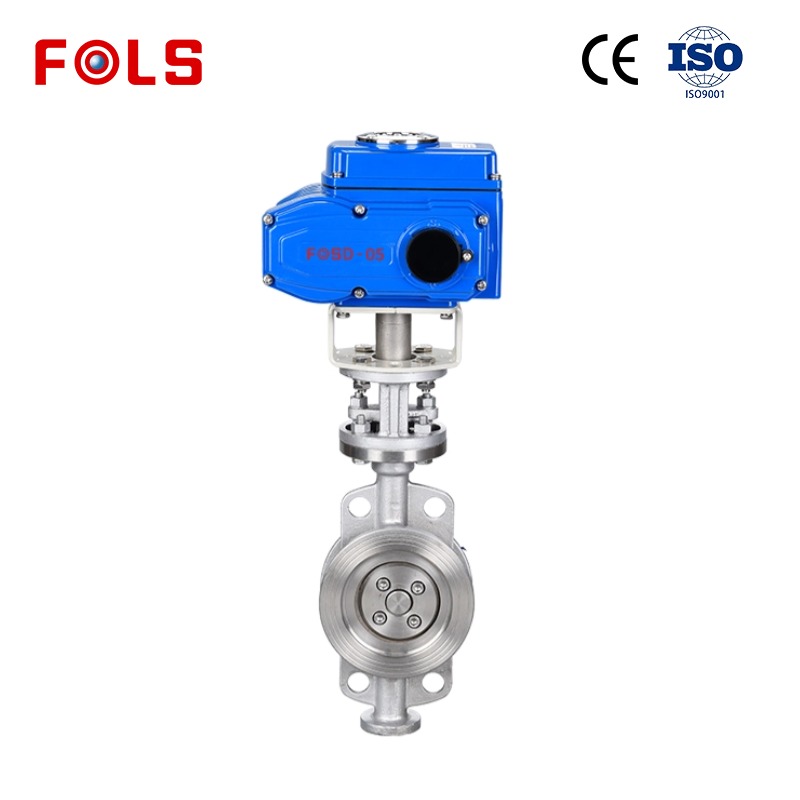
A butterfly valve uses a disc that rotates inside the flow passage. Turning the shaft moves the disc between open and closed positions; a handle, gearbox, or actuator provides the operating force. A Wafer Butterfly Valve is positioned between mating pipe flanges and secured using the specified bolting arrangement. The adjacent flanges form part of the installed assembly, so alignment and compatibility deserve attention before purchase.
The disc remains in the flow path when open. Flow resistance, pressure loss, and torque depend on the actual valve design and duty, not just the nominal pipe size. For isolation service, check the specified shutoff performance and pressure differential. For modulating service, ask the valve supplier to assess the expected flow range, control stability, and operating torque rather than assuming every butterfly valve is a suitable control valve.
Water distribution and treatment plant isolation
In a treatment plant or a distribution facility, a Wafer Butterfly Valve may be considered at a branch line, a treatment skid, or a pipe section that needs scheduled isolation. The short face-to-face arrangement can be useful where a plant room has limited installation space. Before specifying it, confirm that the flange drilling, inside diameter, pressure class, and valve dimensions match the installed piping.
For drinking water, identify the applicable local requirements for wetted materials and documentation. A project may specify NSF/ANSI 61 for the health effects of drinking-water system components, or AWWA C504 for rubber-seated butterfly valves. These are examples of requirements to verify against the project and jurisdiction, not evidence that a particular valve meets either standard. Request the relevant certificates and product-specific documentation before acceptance.
Consider maintenance at the same time as the water duty. A Wafer Butterfly Valve held between two flanges should not be assumed to provide independent end-of-line isolation when downstream piping is removed. If a crew must remove one side while the other remains pressurized, review the isolation arrangement and the manufacturer's explicit end-of-line rating. The piping engineer may specify a different arrangement or a separately rated isolation device.
Cooling water and building services
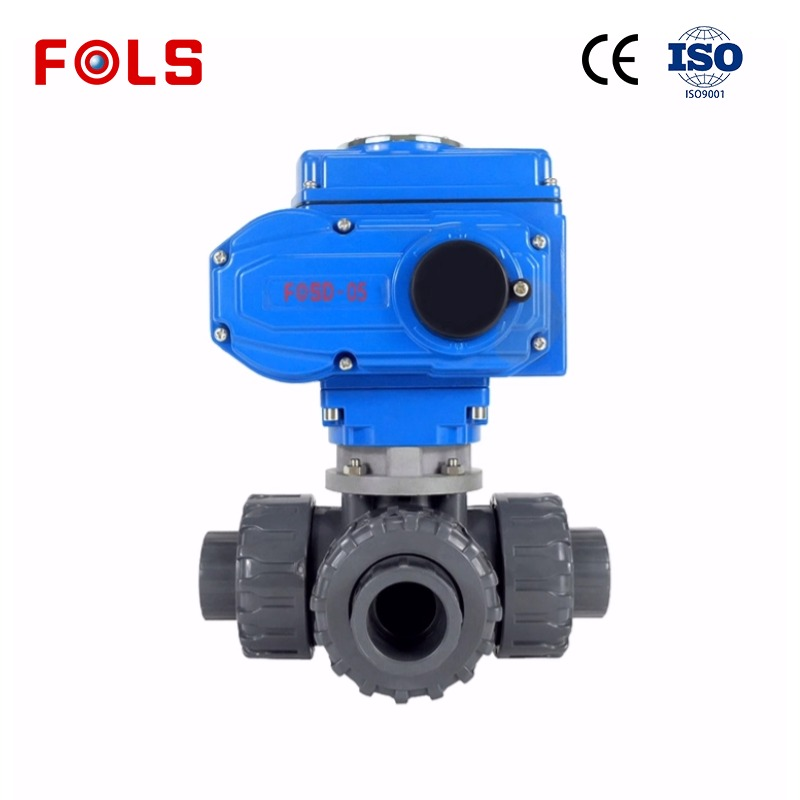
Chilled-water and cooling-water loops often contain branches, pumps, heat exchangers, and equipment that need to be isolated separately. A Wafer Butterfly Valve may fit a branch where space around the equipment is constrained. A gearbox can help with manual operation when the required torque makes a lever impractical; an electric or pneumatic actuator may be appropriate when the control system needs remote operation.
In a closed loop, check the fluid temperature, water treatment chemicals, pressure, and pressure differential across the valve. Seat and disc materials must be compatible with the actual fluid, including additives. Where a valve is expected to regulate flow, share the operating conditions with the supplier and verify that the valve and actuator are suitable for the required frequency and control range. A valve selected only by pipe diameter leaves these questions open.
Wastewater and reclaimed water
A Wafer Butterfly Valve can be considered on suitable water or wastewater lines, but the solids content changes the assessment. Fibrous material, grit, deposits, and fouling can affect operation or seating. Review the upstream screening, expected solids, cleaning method, and access for inspection. A clear-water duty at one point in a plant does not establish suitability for an unscreened line elsewhere.
For reclaimed water, document the source and any chemicals used in treatment. Confirm corrosion resistance and seat compatibility with the supplier using the actual fluid information. If the valve is normally left open for long periods, include periodic operation in the maintenance plan where permitted by the site procedure. This gives the operator a way to observe operating effort and address problems before an urgent shutdown is needed.
Pump stations: isolation is not backflow control
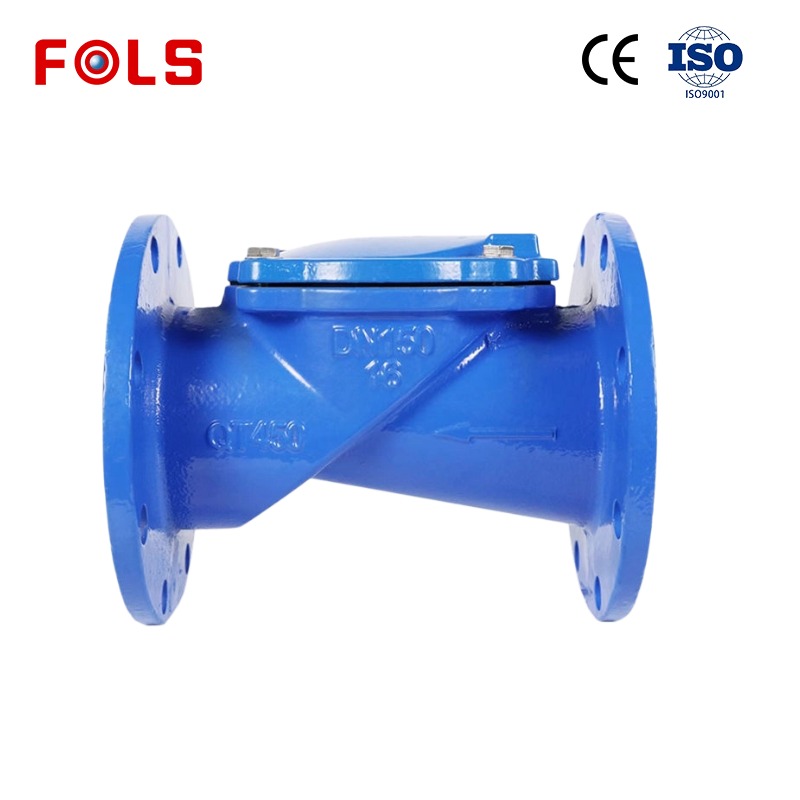
A pump station may use a Wafer Butterfly Valve to isolate equipment for maintenance, subject to the site's isolation procedure. Backflow control is a separate function. A wafer style check valve responds to flow and is intended to limit reverse flow; a manually or automatically operated butterfly valve should not be treated as a substitute for a properly selected check valve.
When the pump stops, reverse flow and pressure transients may affect the whole line. Check valve selection, closing behavior, pump controls, surge analysis, and valve placement should be reviewed together by the system designer. Similarly, an actuated Wafer Butterfly Valve needs a defined response to loss of power or air supply. The required fail position depends on the process and safety assessment, not on the mounting style alone.
Wafer or lug connection: what changes for maintenance?
A Wafer Butterfly Valve and a lug type valve can have similar flow-control functions but different connection arrangements. A lug body has threaded or through-bolted lugs, depending on its design; the permitted use of each side and the applicable pressure ratings must be confirmed in the manufacturer's documentation. Do not infer that every lug valve is suitable for dead-end service, or that it can retain full rated pressure with one flange removed.
For either connection, compare the total assembly rather than the valve body alone. Include flange type, bolt length, gaskets if required by the manufacturer, pipe support, actuator clearance, and the time needed to remove equipment. The lower initial equipment price may not decide the most practical option if access is difficult or a shutdown requires additional isolation hardware.
Installation and specification checklist
Before ordering a Wafer Butterfly Valve, bring the piping and operating details into one review. This is especially helpful when a replacement must fit an existing line and the original documentation is incomplete.
- Service: identify the water source, treatment chemicals, solids, normal and abnormal temperatures, and any drinking-water requirements.
- Pressure and flow: record operating and design pressures, differential pressure, intended flow range, and any surge or vacuum conditions requiring review.
- Connections: verify flange standard, bolt pattern, pipe bore, face-to-face dimension, and room for the disc to move without contacting adjacent pipework.
- Operation: specify isolation or modulation, cycle frequency, manual or actuated operation, control signals, and the required response on loss of power or air.
- Maintenance: establish safe isolation points, drainage, lifting access, spare parts, and whether a separately rated end-of-line arrangement is needed.
- Evidence: request drawings, pressure-temperature limits, material information, and any project-required test or certification records for the exact configuration.
During installation, follow the manufacturer's procedure for centering, bolt tightening, seat protection, and disc position. Check that the disc clears the pipe and flanges through its intended travel; do not force it against an obstruction. After installation, inspect and test the assembly under the project's approved commissioning procedure.
Choosing the next step
A Wafer Butterfly Valve can serve several water-system duties when its design and installation match the service. Start with the line conditions and maintenance boundary, then confirm the valve, actuator, and flange details as an assembly. Guangzhou Fols Valve Technology works in industrial valves and automation; a clear inquiry listing the fluid, pressure, connection, and control requirements gives the technical discussion a useful starting point.
 Hot News





